

Call Us:
(03) 7037 0931
M-F 9am to 5pm

Ever wondered why chess has fascinated minds for centuries? Whether you’re just curious or looking to build new skills, this guide is your starting point for exploring the world of chess board for beginners. We’ll break down the basics, show you different types of boards, walk you through setup and key rules, and share tips on buying and maintaining your set. Chess is more than a game, it’s a journey of strategy, fun, and growth. Ready to dive in? Let’s get you started with the right board and set you up for success.
Getting to know your chess board is one of the first steps to truly enjoying the game. If you're just starting out, this section will walk you through everything you need to know about the chess board for beginners—from its layout and notation to materials, sizing, and proper setup.
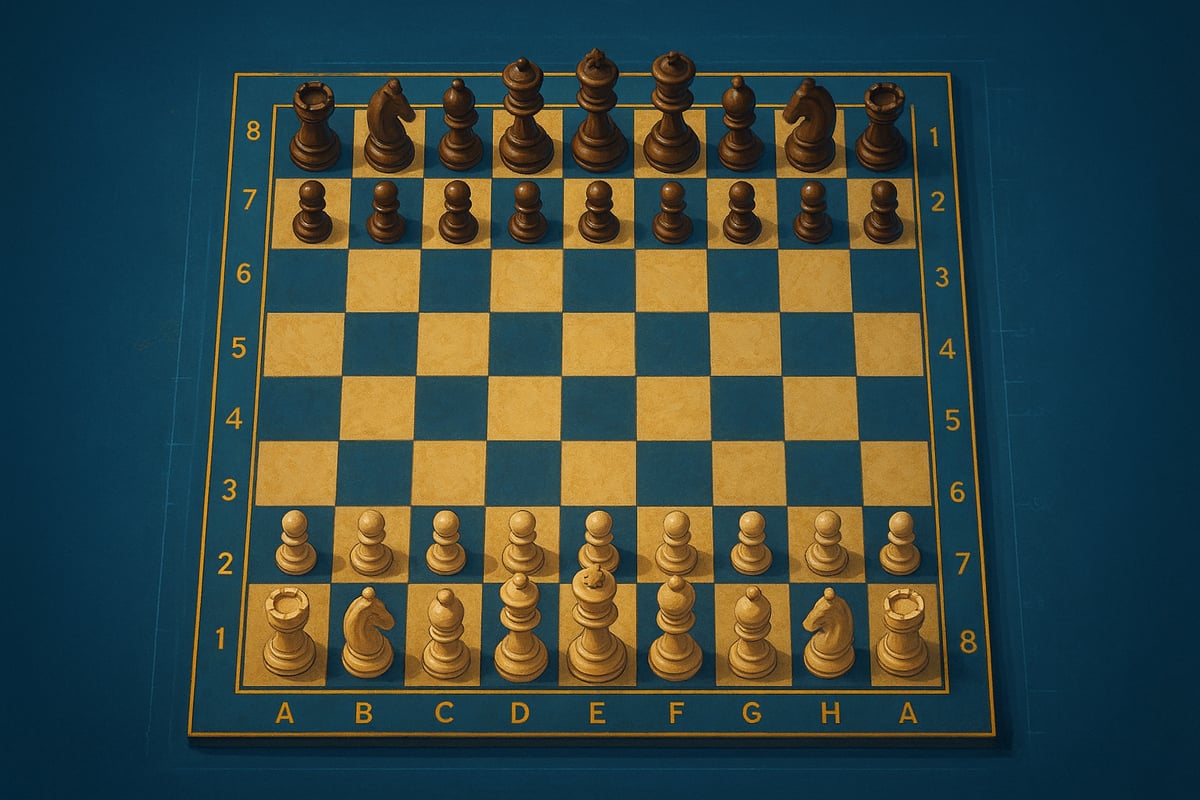
A chess board is the foundation of every game, made up of an 8x8 grid for a total of 64 squares. This setup dates back centuries and is now standard worldwide. The board is essential for gameplay, offering a clear space for strategy and movement.
According to FIDE regulations, every tournament uses boards with consistent dimensions and square sizes. This ensures fairness and a familiar feel for players at all levels.
The chess board uses a simple coordinate system called algebraic notation. Each square has a name, like a1 in the bottom left or h8 in the top right. This helps you record and follow moves easily.
For example, if you see the move e2-e4, it means moving a pawn from square e2 to e4. Learning this notation is a must for anyone using a chess board for beginners.
Example:
1. e4 e5
2. Nf3 Nc6
A chess board for beginners always features alternating light and dark squares, arranged in a checkerboard pattern. These colours help players orient the board and keep track of piece movement.
If the board is misoriented, with the wrong colour square in the bottom right, it can throw off your whole game. Always double-check before you start.
Chess boards come in a range of materials, each with its own pros and cons. Here’s a quick look:
| Material | Pros | Cons |
|---|---|---|
| Wood | Durable, classic look | Pricier, needs care |
| Plastic | Cheap, easy to clean | Lightweight, less sturdy |
| Vinyl | Portable, roll-up | Can crease over time |
| Glass | Decorative, modern | Fragile, heavy |
For a chess board for beginners, plastic or vinyl is often the go-to, especially for home or club use.
Not all chess boards are created equal. Tournament boards use a standard size, but you’ll also find compact and travel versions. Beginners should pick a board that’s easy to see and handle, ideally with squares around 50-60mm.
If you want more on sizes and setup, check out the Chess Board Dimensions and Guidelines for a deeper dive into what works best for a chess board for beginners.
Before you start playing, make sure the white square is on your right-hand side. This simple rule is crucial for correct piece setup and smooth gameplay.
Getting this wrong can cause confusion and mistakes, especially when following chess board for beginners guides or learning new moves.
Picking your first chess board can feel a bit overwhelming. There are so many different types, styles, and materials to choose from. Let’s break it down so you can find the perfect chess board for beginners that matches your style, budget, and needs.
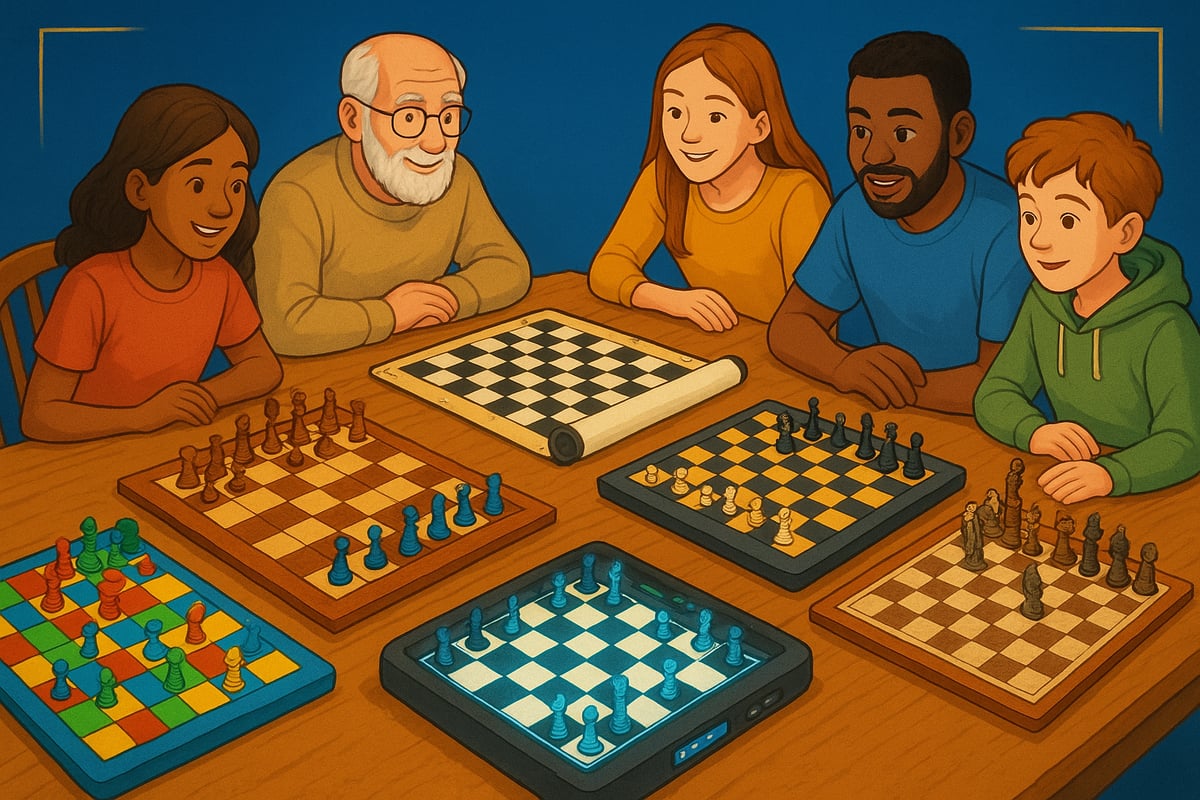
Wooden chess boards are a classic choice. They’re popular because they look great and last a long time. You’ll often see these in clubs, tournaments, or as a stylish centrepiece on a coffee table.
The Staunton-style wooden board is the gold standard, known for its traditional design and elegance. They come in different woods like maple, walnut, or rosewood, each with its own unique grain and colour.
A wooden chess board for beginners is durable but might need a bit of care. Wipe it down regularly and avoid leaving it in direct sunlight to keep it looking sharp. Prices vary, but you can find entry-level wooden boards that won’t break the bank.
If you’re just starting out or want something lightweight, plastic and vinyl chess boards are a fantastic option. These boards are super affordable, easy to clean, and tough enough to handle regular use.
Plastic boards are often paired with plastic pieces, making them ideal for kids and club play. Vinyl boards are popular too, especially the roll-up kind. They’re portable, so you can take your chess board for beginners to school, the park, or a mate’s house without any hassle.
Many Australian schools and clubs use roll-up vinyl boards for lessons and competitions. They’re simple, practical, and great for learning the basics.
Love playing on the go? Magnetic and travel chess boards are perfect for you. These boards are compact, lightweight, and designed so the pieces stick to the board, even if you’re on a bumpy train ride or camping trip.
A magnetic chess board for beginners is especially handy for kids or anyone who likes to practice wherever they are. Look for sets with strong magnets and sturdy cases to keep everything together.
In Australia, you’ll find travel sets in all sorts of sizes, from pocket-sized to larger fold-out boards. They make chess accessible and fun wherever life takes you.
Tech-savvy beginners might be drawn to electronic chess boards. These boards can track your moves, connect to online platforms, and even play against you with built-in AI.
An electronic chess board for beginners might seem a bit daunting at first, but many models are designed to be user-friendly. Features like move recognition, training modes, and online play can really help you learn faster.
Tournament players use advanced electronic boards, but you’ll find beginner-friendly versions too. They offer a modern twist and can make learning more interactive.
If you want your chess board to stand out, decorative and themed boards are a fun pick. You’ll find boards inspired by movies, TV shows, or historical themes. Think Harry Potter, Lord of the Rings, or even Australian wildlife.
While a decorative chess board for beginners looks amazing on display, keep in mind that the pieces and squares might not be standard sizes. This can make learning official rules a bit trickier, so these are usually better as a second set or a gift.
Collectors love these boards, and they can be a real conversation starter at home.
Choosing the right chess board for beginners comes down to a few key factors:
Check out user reviews and expert opinions before you buy. If you’re still unsure, browse a Chess boards and sets collection to compare all the types we’ve covered and see what catches your eye. The right chess board for beginners should make you excited to play and help you build confidence from your very first game.
Getting your chess board for beginners ready is easier than you might think. This step-by-step guide will walk you through every part, so you can start playing with confidence. Whether you’re brand new or just need a refresher, these tips will help you avoid common pitfalls and set up like a pro.
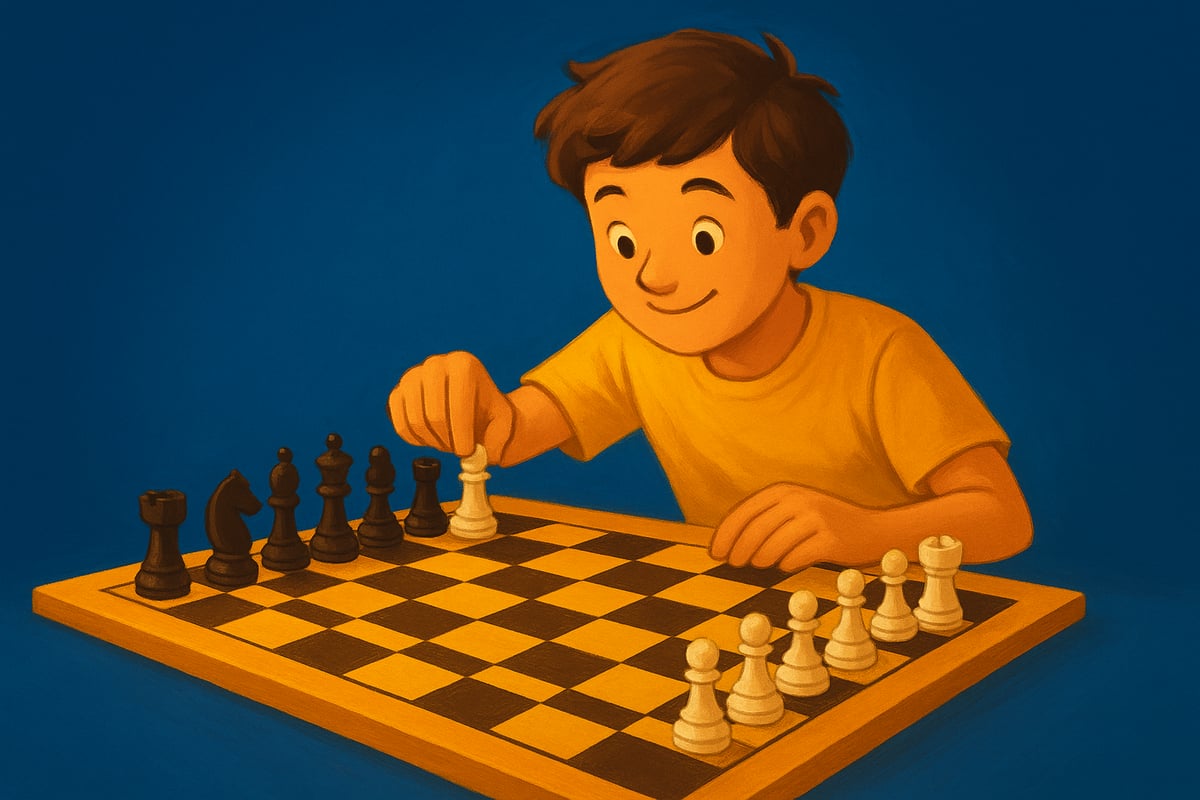
Before you even touch the pieces, make sure your chess board for beginners is facing the right way. The bottom-right square must always be a light square. This simple rule stops confusion later on.
If you’re not sure, just remember: “White on right.” It’s a classic saying among chess players. Putting your board the wrong way can mess up your game, so double-check before moving on. Lining up your chess board for beginners this way is the first step to a smooth match.
Now it’s time to set up your chess pieces. Start by placing all your pawns on the second row from each player’s side. Next, add the rooks in the corners, knights right next to the rooks, and bishops beside the knights.
The queen goes on her matching colour square—white queen on a light square, black queen on a dark one. Place the king on the last remaining square in the back row. This setup is standard for every chess board for beginners and helps you start every game on the right foot.
Each piece has its own way of moving on the chess board for beginners. Pawns move forward one square but capture diagonally. Knights jump in an “L” shape, while bishops move diagonally as far as they want.
Rooks travel straight across rows and columns. The queen combines the powers of rook and bishop, moving any number of squares in any direction. Kings move just one square in any direction. Knowing these basics gives you the foundation for every strategy you’ll try.
Algebraic notation is how players record and share chess moves. On a chess board for beginners, each square is labelled from a1 in the bottom left to h8 in the top right. For example, e2-e4 means moving a pawn from e2 to e4.
Writing your moves helps you track your progress and learn faster. Practising notation is a great way to build your confidence and understand classic games.
Even experienced players sometimes slip up with their chess board for beginners. A common mistake is swapping the king and queen or mixing up the bishops and knights.
Another error is starting with the board the wrong way around. If you place the white queen on a dark square, or your pawns are not in the right row, reset and try again. Taking a moment to double-check avoids confusion once the game begins.
Before your first move, run through this quick checklist for your chess board for beginners:
It’s always smart to follow FIDE Laws of Chess 2023 for official setup. Starting with the standard position sets you up for a fair and fun game.
Getting to grips with the rules is a huge step when you're starting out with a chess board for beginners. Knowing the basics helps you play confidently, enjoy the game, and avoid confusion. Let's break down the must-know rules so you can get started the right way.
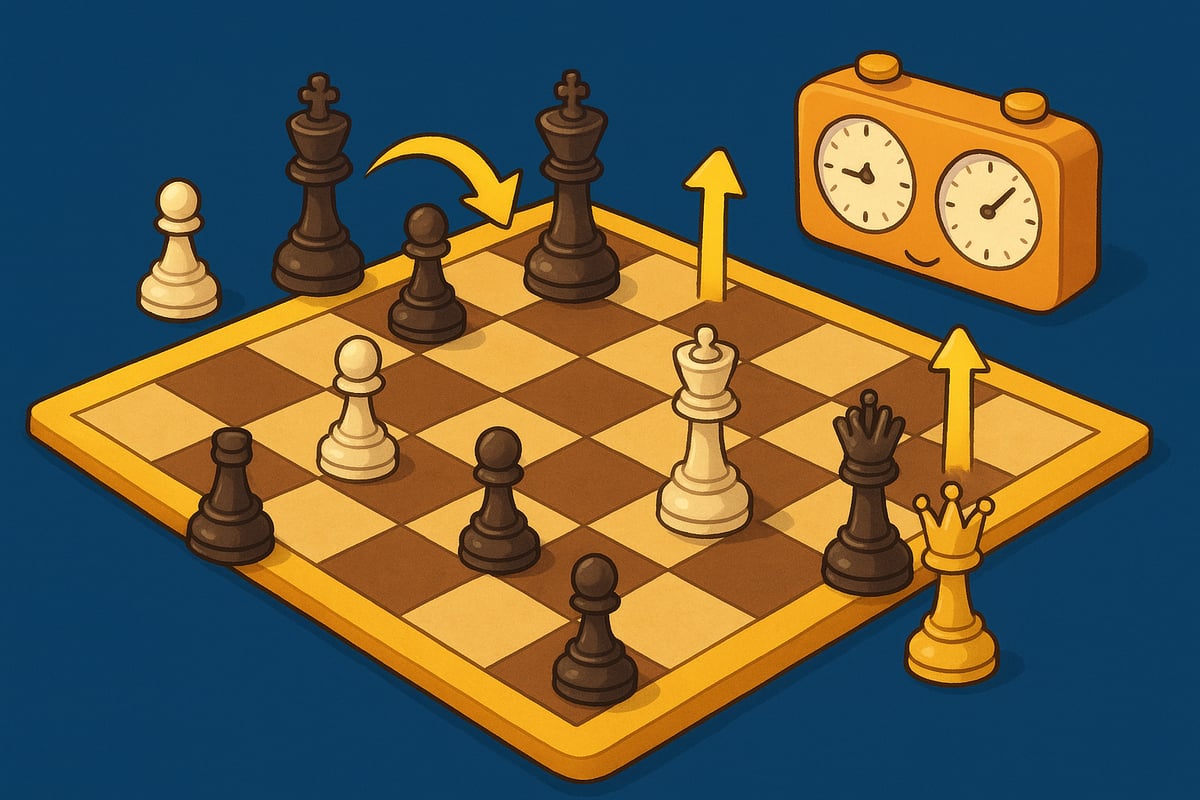
The main goal on a chess board for beginners is to checkmate your opponent's king. This means putting the king in a position where it can't escape capture, no matter what move is made.
A game can also end in stalemate, which happens if a player has no legal moves left but their king isn't in check. The layout of the board, especially in the endgame, can make a big difference. For example, knowing how to use your king and pawns well can mean the difference between a win and a draw.
Every piece on a chess board for beginners has its own way of moving:
It's illegal to move a piece where it puts your own king in check. Accidentally making an illegal move is a common beginner mistake. Always double-check your move before letting go of the piece.
There are three special moves on a chess board for beginners that you should know:
Castling: This move lets you move your king and rook at the same time for safety. The king moves two squares towards the rook, and the rook jumps over next to the king. Neither piece can have moved before, and there can't be any pieces in between.
En passant: If a pawn moves two squares forward from its starting position and ends up next to your pawn, you can capture it as if it had moved only one square.
Pawn promotion: When a pawn reaches the far side of the board, you can swap it for a queen, rook, bishop, or knight. Most beginners go for a queen, but sometimes another piece is better.
When playing with a chess board for beginners, the "touch-move" rule is important. If you touch a piece, you have to move it (if there's a legal move). If you touch an opponent's piece, you must capture it if possible.
Good etiquette means handling the pieces gently and respecting your opponent. In Australian tournaments, players are expected to act politely and avoid distracting behaviour. This creates a fair and friendly environment for everyone.
A chess board for beginners often comes with an option to play timed games. Chess clocks make sure both players get a fair amount of thinking time. You press your side of the clock after each move, starting your opponent's timer.
If you're new to chess clocks, you can learn more about how they work and see a popular example in the Professional chess clocks explained guide. Using a clock adds excitement and helps you manage your time better during games.
Not every game ends with a winner. On a chess board for beginners, there are several ways a game can finish in a draw:
| Draw Type | How It Happens |
|---|---|
| Stalemate | Player can't move, but king isn't in check |
| Threefold Repetition | Same position occurs three times |
| Insufficient Material | Not enough pieces left to checkmate |
| 50-Move Rule | 50 moves made by each player without a pawn move or capture |
| Agreement | Both players simply agree to a draw |
Understanding these endings helps you spot when a draw is possible, so you don't miss out on saving a tough game.
Choosing your first chess board for beginners can feel a bit overwhelming with so many options out there. Whether you’re buying for yourself, your child, or as a gift, it’s all about finding the right balance of quality, price, and playability. Let’s break down what you need to know so you can hit the ground running.
When you start searching for a chess board for beginners, you’ll notice prices can vary a lot. In Australia, basic plastic or vinyl boards start around $20 to $30, while wooden sets can range from $50 up to several hundred dollars for handcrafted designs.
It’s smart to set a budget before you shop. Think about how often you’ll use the board and whether it’s just for casual play or if you want something a bit more special. For most beginners, spending $40 to $80 gets you a sturdy, good-looking board that’ll last for years.
If you want a deeper dive into sizing and what you get for your money, check out this Chess Set Size Guide for extra tips.
You can find a chess board for beginners both online and in local chess or hobby stores. Shopping in person lets you see and feel the board, which is handy if you’re fussy about materials or finish.
Online shopping gives you a bigger selection and often better prices. Trusted Australian retailers like Sterling Chess and Chess World are great places to start. Look for stores that offer clear photos, detailed descriptions, and reviews from real customers.
Don’t forget to check out bundled sets that include everything you need to start playing. These can be a great value for new players.
When picking a chess board for beginners, focus on the basics: material, board size, square size, and overall durability. If you’re buying for a child, make sure the board and pieces aren’t too small—larger pieces are easier to handle and less likely to get lost.
Here’s a quick checklist:
For a simple, all-in-one option, the Beginner chess starter box is designed specifically as a chess board for beginners, offering the right balance of size, durability, and price.
Brand reputation can make a big difference when it comes to a chess board for beginners. In Australia, DGT, Chess Baron, and Sterling Chess are well-known for quality and customer support.
Here’s a quick comparison:
| Brand | Price Range | Material Options | Beginner Friendly? |
|---|---|---|---|
| DGT | $$–$$$ | Plastic, Wood | Yes |
| Sterling Chess | $–$$ | Vinyl, Wood | Yes |
| Chess Baron | $$–$$$ | Wood, Themed | Yes |
Stick with brands that have plenty of positive reviews and a solid reputation for quality.
A good chess board for beginners is just the start. Think about picking up a storage bag, spare pieces, and maybe even a chess clock if you want to try timed games.
Bundled kits are a great way to save money and make sure you have everything you need. Look for sets that include bags or boxes for easy storage, especially if you’re planning to travel with your board.
For kids, magnetic sets or roll-up boards can be a real lifesaver, making it easy to take your chess games anywhere.
Before you buy your chess board for beginners, check the warranty and customer support options. Good after-sales service means you can get help if something arrives damaged or goes missing.
Look for clear return policies and easy-to-reach customer service, especially when ordering online. A reputable store will always stand by their products and help you out if anything goes wrong.
Taking the time to research these details ensures your first chess board for beginners will last and keep you playing for years to come.
Looking after your chess board for beginners is a big part of making sure it lasts and always looks its best. Whether you’re playing at home or taking your set on the go, a little care goes a long way. Let’s break down how to keep your board in top shape, no matter what it’s made from.
Every chess board for beginners needs regular cleaning to keep it looking sharp. If you’ve got a wooden board, dust it with a soft, dry cloth. For deeper cleaning, use a slightly damp cloth and avoid harsh chemicals that could damage the finish. Plastic and vinyl boards can be wiped down with mild soapy water and a soft sponge.
Here’s a quick table for cleaning tips:
| Material | Cleaning Method | Frequency |
|---|---|---|
| Wood | Dry/damp soft cloth | Weekly |
| Plastic | Mild soapy water | After each use |
| Vinyl | Damp cloth, air dry | Weekly |
| Glass | Glass cleaner, soft rag | As needed |
Always store your board somewhere dry and cool. Following FIDE Standards of Chess Equipment is a good idea, especially for tournament-style boards.
If you’re using a chess board for beginners, you’ll want to keep it looking new for as long as possible. Protect wooden boards from sunlight to prevent fading, and keep them away from heat or moisture to avoid warping. For plastic boards, avoid bending or folding too harshly.
A few quick tips:
By being mindful where you place your board, you’ll avoid most common damage.
Even the best chess board for beginners can get a few dings or loose squares over time. For minor scratches on wood, a dab of furniture polish can help. Loose pieces or squares? Use a small amount of craft glue, but be careful not to use too much.
If a repair seems tricky or it’s a valuable board, don’t hesitate to ask a local chess shop or professional for advice. Sometimes it’s better to get expert help than risk further damage.
Taking your chess board for beginners on the road? Always use a protective case or a padded bag, especially for wooden or glass boards. For plastic and vinyl, roll or fold gently and avoid stuffing them into tight spaces.
Safe transport means your board will always be ready for your next game, wherever you are.
If you want your chess board for beginners to last for years, make a habit of checking it every season. Inspect for cracks, warping, or loose pieces. Wooden boards benefit from an occasional polish, while plastic and vinyl just need a wipe down.
For collectors, store boards in original boxes or display cases to maintain their value. With just a bit of regular care, your board will always be ready for a friendly match or a serious game.
Leave a comment