

Call Us:
(03) 7037 0931
M-F 9am to 5pm

Chess is making a huge comeback, popping up everywhere from online streams to local clubs. The classic game has found new life in the digital age, with more people than ever eager to learn and play.
If you're looking to get ahead, understanding the latest chess layout is essential. Whether you're playing over the board or online, the way you set up and approach the game makes all the difference.
In this guide, we'll cover everything you need to know, from modern chessboard setups and piece placement to digital features, strategies, and practical tips. Ready to master every aspect? Dive in and start your chess journey with us.
Modern chess layout has come a long way, blending tradition with new tech and fresh ideas. Whether you're a casual player or prepping for tournaments, knowing the ins and outs of how boards and pieces are set up is essential. Let's break down what makes today's chess layout unique, and how you can master it for both in-person and online play.
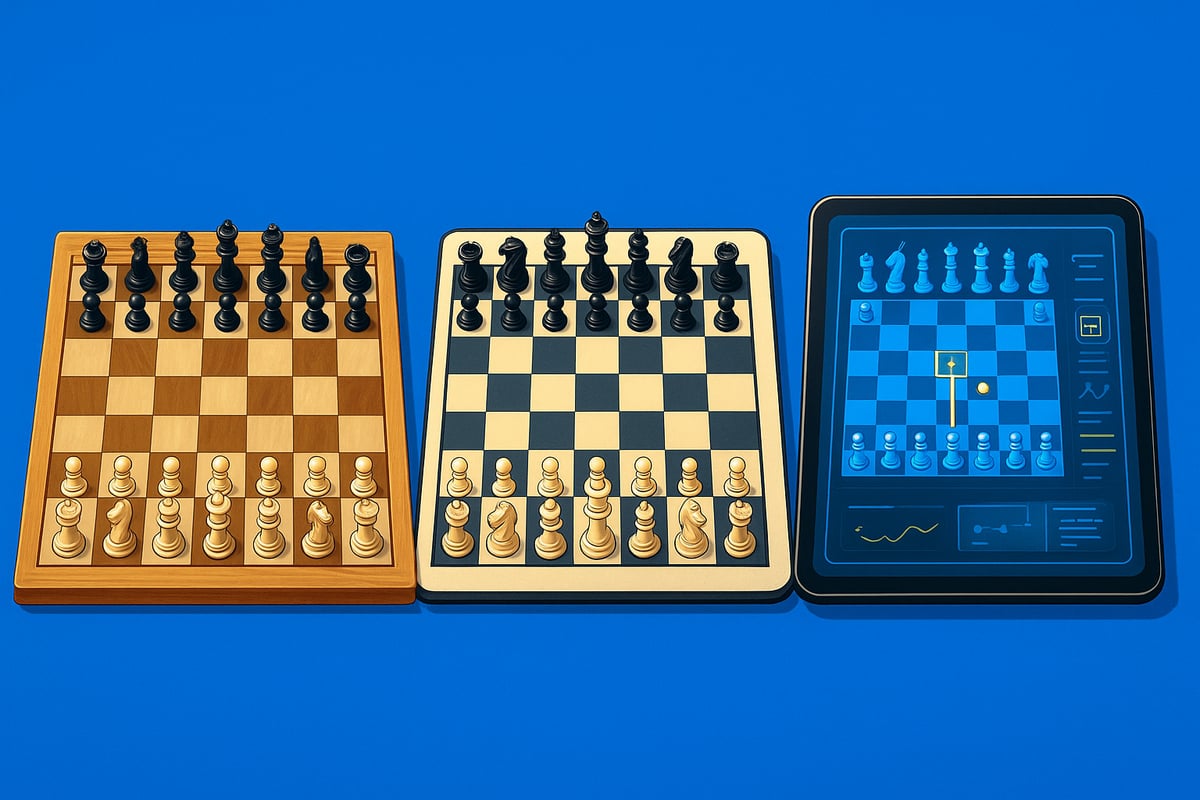
The foundation of any chess layout is the classic 8x8 chessboard, with alternating light and dark squares. Most boards use wood, vinyl, or digital displays, each offering a different feel and look. For official tournaments, the board size and square dimensions are set by FIDE, so everyone plays on a level field.
Contrast between squares is crucial, making pieces easy to see in any lighting. For example, popular tournament boards usually feature a 50-60mm square size, with a sturdy wooden surface for durability. If you're curious about the exact rules, you can check the FIDE Chess Equipment Standards for detailed specs.
Setting up your chess layout the right way starts with knowing where each piece goes. The back rank holds the heavy hitters: rooks on the corners, knights next to them, then bishops, with the queen and king in the centre. A quick tip: remember "queen on her colour" to avoid mix-ups.
Getting this arrangement right is vital for fair play, especially in tournaments. Visual guides and diagrams are everywhere these days, helping players double-check their chess layout. Even small mistakes—like swapping the king and queen—can lead to confusion or disputes, so always take a moment to verify your setup.
The chess layout scene has exploded online, with digital chessboards now the norm for millions. These platforms offer interactive features like move tracking, real-time analysis, and even hints for beginners. Accessibility is a big focus, with options for high-contrast themes and screen readers for visually impaired players.
Augmented and virtual reality are making chess layout learning more engaging and hands-on. Leading platforms let you customise your chess layout, from piece shapes to board colours, creating a personal playing experience. It’s never been easier to jump in and start playing, no matter your skill level.
Not all chess layout styles are traditional. Chess960, for example, shakes things up with randomised starting positions, challenging players to adapt right from the first move. This twist means you can’t just memorise openings—you need to think creatively about each chess layout.
Other fun variants like King of the Hill or Three-Check change the board dynamics and keep the game fresh. Online stats show these formats are growing fast, with big names like Magnus Carlsen hosting Chess960 tournaments that attract global attention. Trying new layouts is a great way to improve your flexibility and strategic thinking.
It’s easy to slip up with your chess layout, especially if you’re in a rush. Common errors include swapping rooks and knights, or mixing up the king and queen. These mistakes can mess with your gameplay and even make your setup illegal in official matches.
To avoid issues, always double-check your chess layout before you start. Many tournaments have had incidents where a simple mistake led to replayed games or disputes. For beginners, creating a quick setup checklist or using visual guides can save heaps of hassle and keep your games running smoothly.
Ready to master your chess layout? Setting up your board correctly is the first move towards better play, whether you’re at home, in a club, or logging in online. Let’s break it down, step by step, so you can feel confident every time you sit down for a game.
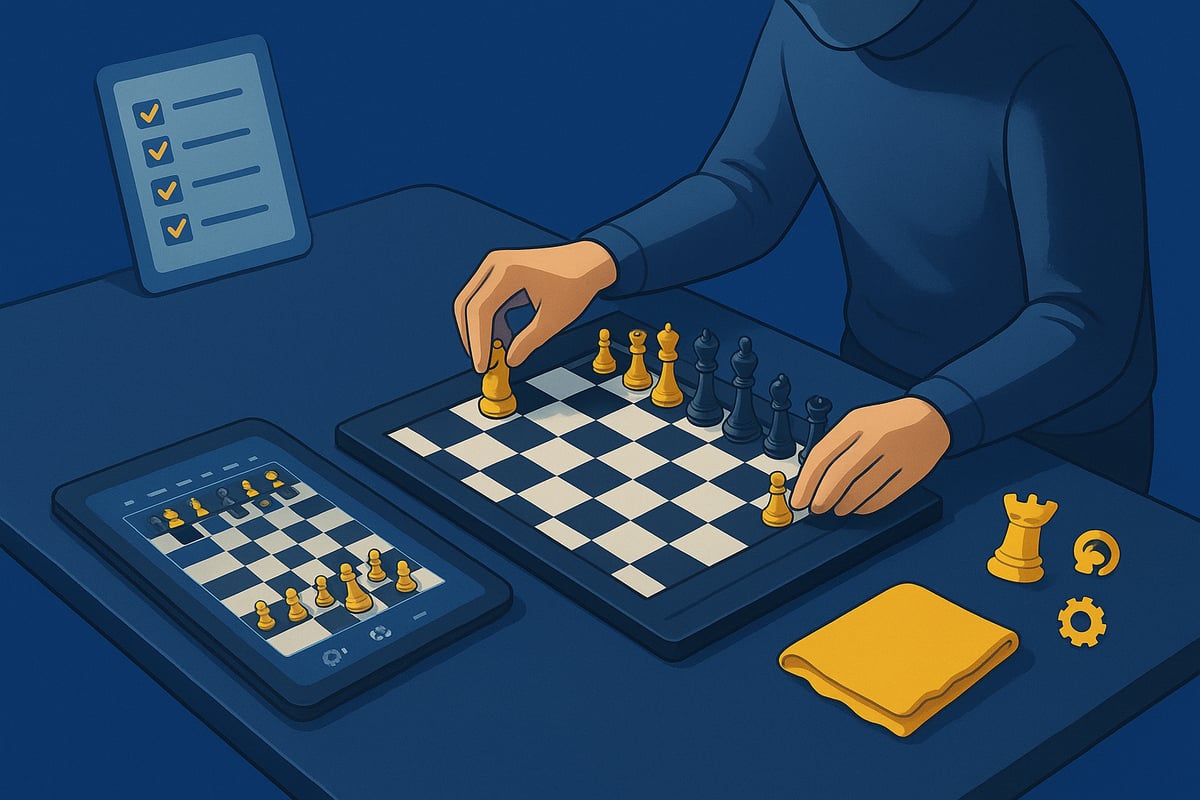
Choosing your board and pieces is all about personal preference, practicality, and sometimes, tournament rules. The classic wooden board looks stunning, while vinyl is super portable. Digital boards are gaining popularity for their tech features.
When picking your pieces, consider weight, size, and design. Weighted pieces are great for stability, especially if you play often. For those keen on tournament play, make sure your equipment is FIDE-approved. Magnetic sets are perfect for travel, and roll-up boards are easy to store.
If you want a starter set that ticks all these boxes, check out the Choosing the Right Chessboard guide for options suited to any chess layout.
Now, let’s talk orientation. The golden rule? The white square should always be on your right-hand corner. Miss this, and your chess layout could throw off your entire game.
At home, set your board up in a spot with good lighting and enough space for comfortable movement. In clubs, follow standard placement protocols for consistency. Online, virtual boards are already oriented for you, but double-check before starting a game.
Proper board placement means fewer distractions and a better experience, no matter where you play.
Here’s where the chess layout gets real. Start by placing all pawns on the second rank for White and seventh for Black. Rooks go in the corners, knights next to them, then bishops. The queen stands on her colour, and the king takes the last spot.
To avoid mistakes, use algebraic notation as a handy reference. Many beginners use colour-coded guides or diagrams, especially when teaching kids. Setting up correctly builds muscle memory and keeps your games fair.
A well-arranged chess layout sets the tone for every move you’ll make.
Before the clock starts, always double-check your chess layout. Run through a quick checklist: Are all pieces in the right spots? Are the kings and queens correctly placed? Have you counted the pawns?
Common oversights include swapped rooks and knights or reversed king and queen. For rated games and tournaments, incorrect setups could mean a forfeit. Many clubs have inspection routines to catch mistakes early.
Taking a minute to verify your chess layout saves you from headaches later.
If you’re playing online or with a digital board, setting up your chess layout is easier than ever. Most platforms let you customise themes, piece styles, and board colours to suit your taste.
Accessibility features like high-contrast modes help everyone enjoy the game, including visually impaired players. You can even sync physical and digital boards for hybrid play, making it easy to switch between formats.
Online tournaments usually offer setup walkthroughs so your chess layout matches the rules. Explore these features to get the most out of your digital experience.
Looking after your chess layout means taking care of both board and pieces. For physical boards, wipe them down with a soft cloth and store them in a dry place. Avoid harsh chemicals to keep the finish looking fresh.
Digital boards need software updates for smooth performance. Keep track of batteries or cables, depending on your model. Many chess clubs have set routines for cleaning and checking equipment.
Well-maintained pieces and boards ensure your chess layout is always ready for action.
Mastering the chess layout is about more than just setting up your pieces. A well-understood chess layout can give you a real edge, whether you’re playing in person or online. Let’s break down how analysing layouts can boost your strategy and confidence.

Your chess layout can make or break your opening moves. Getting the layout right helps you visualise common openings, like the Queen’s Gambit, without second-guessing your setup. On both digital and physical boards, the correct chess layout is crucial for following opening theory accurately.
Using analysis boards or chess software, you can experiment with different opening ideas and see how the layout affects your options. Many players use digital boards for instant feedback, making it easier to spot mistakes in the early game.
For example, if you set the board up incorrectly, your opening plans might fall apart before you even get started. Double-checking your chess layout is a simple way to stay ahead.
A strong chess layout isn’t just about the board—it’s about how you see the game in your mind. Visualisation drills help you picture moves and threats several turns ahead, even without a physical board in front of you.
Blindfold chess is a classic way to train visualisation. Many grandmasters use this technique to memorise the chess layout and keep track of complex positions. There are also apps and online tools that let you practice placing pieces in your mind.
Try setting up tricky positions and playing them out from memory. This builds confidence and makes it easier to spot tactics during real games. The better you visualise the chess layout, the stronger your play becomes.
Spotting patterns in the chess layout is a skill that separates casual players from serious competitors. Keep an eye out for weak squares, open files, and diagonal threats. These features can reveal your opponent’s plans or highlight your own vulnerabilities.
Use visual aids like diagrams or digital overlays to reinforce pattern recognition. Many online platforms offer heatmaps and tactical motif highlights to help you identify recurring themes within a chess layout.
For endgames, recognising patterns in the chess layout can mean the difference between a win and a draw. Practice with classic positions to sharpen your instincts and learn how to exploit weaknesses quickly.
Digital chessboards bring new tools to the table for analysing your chess layout. Real-time move suggestions, error detection, and interactive heatmaps make it easier to understand what’s happening on the board.
With platforms like Chess.com or Lichess, you can instantly review your games and see where your chess layout might have left you open to tactics or blunders. These features help you learn from mistakes and adapt your strategy for next time.
Comparing physical and digital analysis, digital boards often provide faster feedback. But don’t forget that understanding the chess layout on a real board is still essential for over-the-board tournaments.
Modern chess isn’t limited to the standard setup. Variants like Chess960 shake things up by randomising the starting chess layout, forcing you to adapt your strategy from the very first move.
Switching between traditional and variant layouts can be tricky, but it’s a great way to test your flexibility and pattern recognition. Top players often train with variants to keep their tactical skills sharp.
If you’re keen to dive into Chess960, check out the Chess960 Rules and Guidelines for an official breakdown of setup and strategy. Mastering these alternative chess layouts will make you a more adaptable and creative player.
Chess layout options in 2026 offer more choice than ever, whether you love the feel of classic pieces or the convenience of online play. Let’s break down the differences, so you can find the perfect chess layout for your style and needs.

There’s something special about a physical chess layout. The feel of wooden or weighted pieces, the sound of a piece hitting the square, and the look of a well-crafted board bring a sense of nostalgia. Many players in 2026 still prefer this tactile experience, especially in tournaments.
Australian Chess Championships still use physical boards that meet strict standards. These boards often feature premium materials and unique designs. If you’re after something really eye-catching, check out Unique Chessboard Designs for inspiration.
Physical boards do have challenges. They can be bulky, require regular maintenance, and sometimes cost a fair bit. But for many, the classic chess layout is worth it for the tradition and connection it provides.
Digital chess layout options have exploded in popularity. With online play becoming the norm, digital boards offer features like instant analysis, move tracking, and even coaching tools. Players can join tournaments from anywhere, making the game accessible to everyone, including those with disabilities.
Platforms now have customisable interfaces, letting you tweak the chess layout to suit your preferences. The FIDE Online Olympiad showed just how many people are embracing this digital shift. If you’re curious about the latest tech, explore some Digital Chessboard Innovations for a taste of what’s possible.
Digital boards are great for learning and connecting with a global chess community. The chess layout on these platforms can be adjusted for visibility, making the game more inclusive than ever.
Hybrid chess layout setups are bridging the gap between old and new. Smart boards sync moves between a physical set and a digital display, so you can play face-to-face and broadcast your game online at the same time.
This tech is a hit at big tournaments, like the 2024 World Chess Championship, where matches were streamed live with every move digitally tracked. Hybrid chess layout systems make it easy to analyse games in real time, bringing players and spectators together.
For clubs and schools, hybrid boards offer the best of both worlds. You get the hands-on feel of a real set, plus the convenience and features of digital play.
Wondering which chess layout fits your budget? Here’s a quick table to help you compare:
| Type | Price Range (AUD) | Availability in Australia | Popularity (2026) |
|---|---|---|---|
| Physical Board | $40 - $600+ | Widely available | High for tournaments |
| Digital Board | $120 - $500+ | Growing fast | High for online play |
| Hybrid Board | $250 - $900+ | Limited but rising | Gaining popularity |
Physical boards are still easy to find in local stores, while digital and hybrid boards are becoming more common online. The chess layout you choose will depend on your needs and budget. Recent trends show more people are trying digital and hybrid boards, especially younger players.
The chess layout you pick can also make a difference for the planet and your community. Physical boards made from sustainable wood or recycled materials are now more common, helping reduce environmental impact. Digital boards save on materials but use energy and electronics.
Chess brings people together, whether in clubs or online forums. Eco-friendly chess layout products and community initiatives, like those from Chess Australia, are helping make the game greener and more inclusive.
In the end, your chess layout reflects your style, values, and how you want to connect with the chess world.
Getting your chess layout right every time is a skill that pays off, whether you’re playing for fun or prepping for serious competition. Let’s dive into some hands-on tips to help you master every aspect of your chess layout and boost your confidence at the board.
Consistency is the secret sauce when it comes to nailing your chess layout. Start by always using the same routine, like placing rooks and knights first, then filling in the rest. This builds muscle memory and makes the chess layout second nature.
Many experienced players swear by using weighted chess pieces for setup, as they’re less likely to tip or move accidentally. It’s a small upgrade, but it helps keep your chess layout stable and professional.
Try creating a simple checklist for your pre-game ritual. Some clubs even host setup races to help members practise speed and accuracy. Over time, these habits will make your chess layout flawless every time.
Tech can be your best mate for sharpening your chess layout game. There are loads of apps and online trainers that walk you through the setup process, flagging any mistakes before you even start playing.
Augmented reality and virtual reality tools now let you practise arranging a chess layout in a 3D environment. It’s like having your own digital coach. You can track your progress, compare times, and even challenge your mates for the fastest setup.
These digital resources are perfect for ironing out any recurring mistakes and building confidence, especially if you’re still learning the ropes or want to take your chess layout skills to the next level.
Teaching someone the chess layout for the first time? Keep it fun and simple. Use colour-coded guides or visual aids to show where each piece goes. Kids love games and puzzles, so turn setup into a challenge—who can arrange their chess layout the fastest without mistakes?
Common mistakes, like swapping the king and queen, are easy to fix with a quick rhyme or mnemonic. For example, “Queen on her colour” is a classic. School chess programs in New South Wales often use these tricks to help kids remember the correct chess layout.
By making learning interactive, you’ll help beginners develop strong habits and enjoy the process.
Even seasoned players can slip up with their chess layout, especially during a hectic tournament. If you notice a misplaced piece, pause and double-check against a reference board or diagram. Quick fixes include using a setup checklist or having a mate look over your board before starting.
For online games, glitches with the digital chess layout can happen. Refresh the page or reset the board if something looks off. Many chess forums have FAQs packed with solutions for both physical and digital setup hiccups, so don’t stress if you hit a snag.
Staying calm and systematic is the best way to keep your chess layout on track.
There’s a world of resources out there to help you master your chess layout. Check out books, online courses, and websites dedicated to setup techniques. Local clubs and online communities in Australia are always running workshops and events focused on improving chess layout skills.
Chess Victoria, for example, regularly hosts layout workshops for all skill levels. Joining these sessions is a great way to learn from others, get feedback, and keep your chess layout sharp.
Remember, practice and community support are your best friends on the road to layout mastery.
Leave a comment