

Call Us:
(03) 7037 0931
M-F 9am to 5pm

Looking for the perfect chess timer to elevate your game in 2026? Whether you're a weekend player, a school club champ, or gearing up for FIDE tournaments, having the right chess timer can make all the difference for fair play and your competitive edge. The right choice not only keeps things running smoothly but can even boost your confidence, whether you're playing at home or in high-stakes matches. In this guide, you'll discover the different types of timers, must-have features, new innovations, top brands, a simple buying guide, and tips to keep your timer in top shape. Ready to make your next move? Let's dive in and find the chess timer that fits your style.
Choosing the right chess timer can feel like picking between a classic vinyl record and the latest streaming app. Each type has its own vibe, perks, and ideal uses. Let’s break down the main options, so you can find the perfect fit for your board battles.
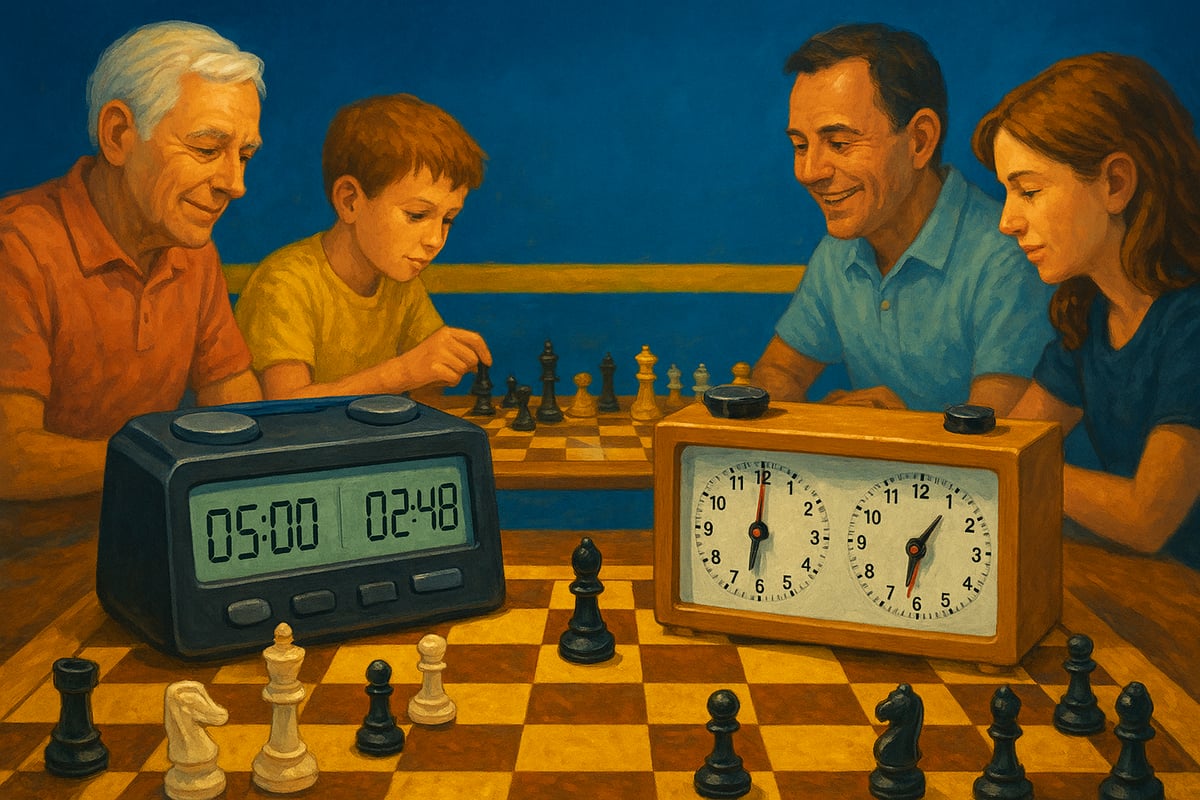
A chess timer comes in two main flavours: digital and analogue. Analogue timers are the old-school models with ticking hands and a satisfying “click” when you hit the button. Digital timers, on the other hand, use LCD screens and offer a bunch of extra features.
Here’s a quick comparison:
| Feature | Analogue Timer | Digital Timer |
|---|---|---|
| Operation | Mechanical, manual | Electronic, programmable |
| Precision | Good | Excellent |
| Time Controls | Basic | Multiple, customisable |
| Display | Dials | LCD/LED screens |
| Durability | High | Varies, usually robust |
| Appeal | Classic look | Modern, functional |
Digital timers are loved for their accuracy, ability to set increments or delays, and support for various time controls. If you’re playing in FIDE events, digital is nearly always required. Analogue timers are still popular in clubs and vintage settings, thanks to their simplicity and nostalgic charm.
Use cases for a chess timer vary:
Market data backs this up, with over 1,700 digital chess timer listings on eBay. Top brands for digital include DGT and Leap, while BHB and Garde are well-known for analogue models.
Not all chess games are created equal, and neither are timers. Some chess timer models are built for blitz, rapid, or classical formats, letting you switch between preset modes in seconds. Others are designed for accessibility, with large buttons, high-contrast displays, or audible alerts to help every player stay on track.
You’ll also find multi-game timers that can handle Go, Scrabble, and more, making them awesome for families or clubs with varied interests. For example, certain digital chess timer brands offer modes specifically for Fischer or Bronstein delays, perfect for experimenting with different chess variants.
These features make a chess timer suitable for all ages and skill levels. Young kids benefit from big, colourful buttons, while seniors appreciate clear displays and simple controls. If you’re looking for a timer that works for everyone, keep an eye out for these special touches.
When it comes to tournaments, not just any chess timer will do. Tournament-approved models often need FIDE certification, ultra-precise timing, and functions like delay and increment. For casual or school play, simplicity and affordability are usually top priorities.
Here’s a quick look at what matters:
| Setting | Key Features | Price Range (eBay) |
|---|---|---|
| Tournament | Delay/increment, FIDE certified | $28–$37+ |
| Casual/Junior | Easy setup, durable, affordable | Under $28 |
Tournament chess timer models, like the FIDE Approved Chess Clocks, ensure fairness and meet official standards. For schools or clubs, timers with simple buttons and clear displays are ideal, especially if they’ll see lots of use by beginners.
Whether you’re gearing up for your first tournament or just want a reliable chess timer for family games, matching your choice to your needs will make every match more enjoyable.
Choosing the right chess timer can feel a bit overwhelming, but breaking down the must-have features makes it a breeze. Whether you're just starting out or playing in serious tournaments, knowing what to look for will help you get the most value for your money and your style of play.
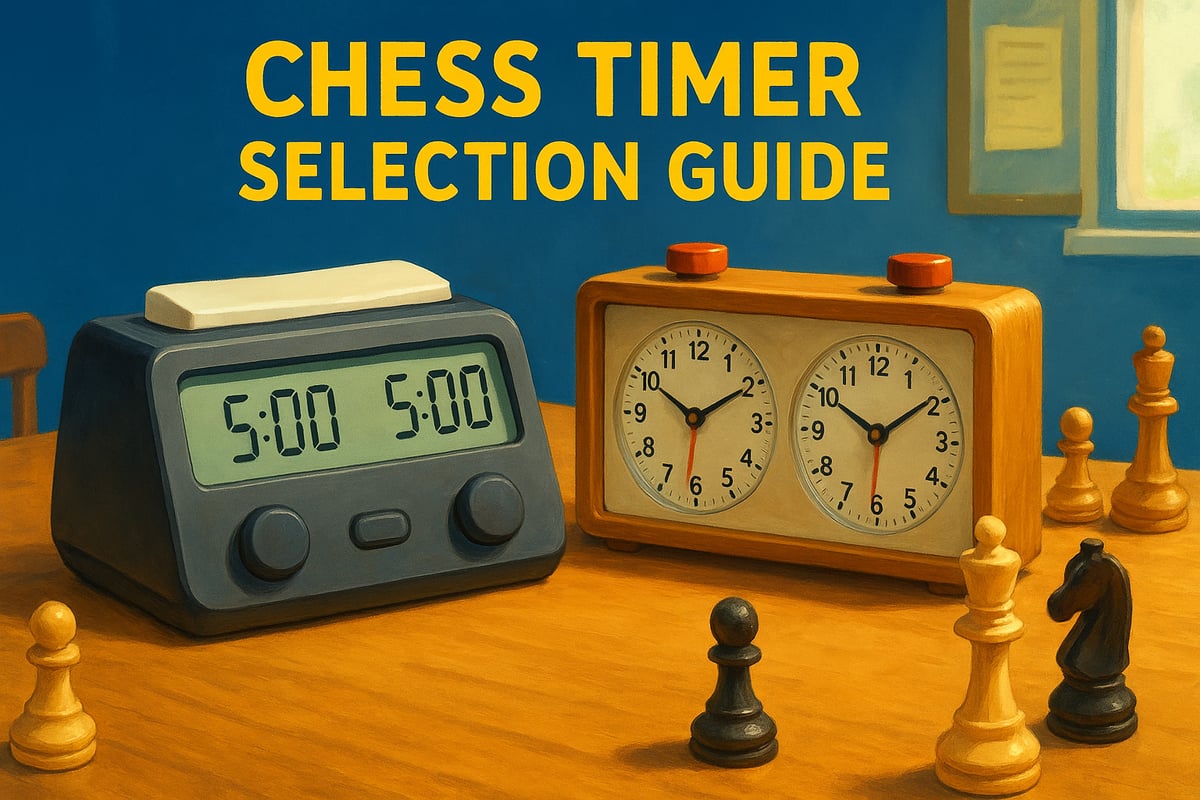
Let’s start with the basics every chess timer should have. A clear display is essential, and the choice between dual and single displays can really impact your experience, especially in heated matches. Dual displays let both players see their time easily, while single displays are often found on simpler models.
Adjustable time controls are a must if you want to play blitz, rapid, or classical chess. Look for options like increments, delays, or even Fischer mode. Sound and visual alerts keep you on track, and tactile, anti-slip buttons make sure you never miss a press.
Material matters too. Most chess timers are plastic, but you’ll find some wooden options if you love that classic feel. Here’s a quick table to compare:
| Feature | Why It Matters |
|---|---|
| Dual/Single Display | Visibility for both players |
| Adjustable Controls | Supports multiple game types |
| Alerts | Keeps games fair and on track |
| Button Mechanism | Comfort and accuracy |
| Build Quality | Durability and longevity |
A great example is the DGT 3000 Professional Chess Clock, which combines most of these features in a sleek, reliable package.
In 2026, chess timer technology has really stepped up its game. Programmable settings let you customise time controls for any chess variant. Memory functions are super handy, especially if you’re a tournament organiser who needs to recall specific setups between rounds.
Battery life is another biggie. Some timers use rechargeable batteries, while others rely on replaceable ones. If you travel a lot, you’ll love timers with USB connectivity or even app integration for remote control and updates.
Some of the most advanced chess timer models now offer:
So, if you’re after flexibility, keep an eye out for these modern extras.
A chess timer should be easy for anyone to use, no matter their age or skill level. Large, easy-to-read displays are perfect for both kids and seniors. An intuitive setup process saves you from fiddling with confusing buttons before every game.
Portability is a bonus, especially if you’re carrying your chess timer to clubs or tournaments. Compact designs fit easily into bags, and some even come with protective cases. For those who need extra accessibility, look for timers with colour-coded buttons, audible signals, or features designed for visually impaired players.
Here’s what to look for:
All these touches make a big difference in everyday use.
When you invest in a chess timer, you want it to last. Impact resistance is key if you’re taking it on the road or using it in busy club settings. Water and dust resistance can also be a lifesaver, especially for school chess clubs or outdoor events.
Always check the warranty before you buy. Reputable brands often offer extended coverage and responsive after-sales support. This means if your chess timer ever acts up, you’ll be covered.
Taking the time to consider these points ensures your chess timer will go the distance, game after game.
Staying ahead of the curve with your chess timer can make a real difference at the board. In 2026, the world of chess clocks is buzzing with fresh ideas, new tech, and a strong focus on making the game more accessible for everyone. Let’s dive into the latest trends and see what’s shaping the future of your next chess timer.
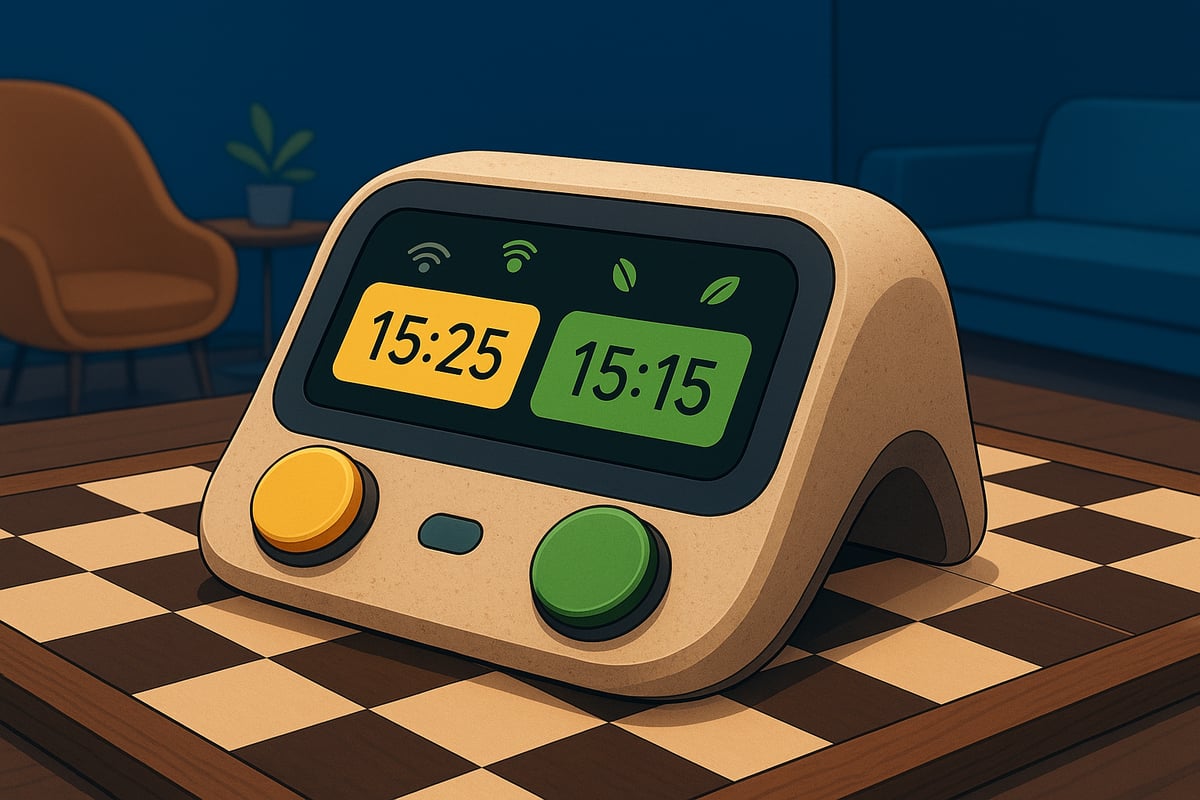
The chess timer scene is getting a serious tech upgrade. Many of the latest models now sync seamlessly with digital chess boards and popular online platforms, making hybrid tournaments and remote matches easier than ever.
Wireless features like Bluetooth mean players can control their chess timer remotely or even pair it with their phone for custom settings. Touchscreen interfaces are popping up more, making timers easier to navigate, especially for newcomers.
One big driver behind these innovations is the ongoing partnership between FIDE and leading manufacturers. You can read more about the impact of their collaboration in the FIDE and DGT Partnership Extension.
App integration is also on the rise. Some chess timer models now offer app-based remote control or memory recall, which is a game-changer for tournament organisers. All these advancements make your chess timer more versatile and user-friendly.
Eco-friendly design is a hot topic in 2026. More chess timer brands are turning to recycled plastics and sustainable woods to reduce their environmental footprint.
Energy-efficient tech is also making waves. Many digital chess timers now boast longer battery life, and some even use solar panels to keep you playing longer without frequent charging.
When shopping for a chess timer, you’ll find more options proudly advertising their green credentials. These sustainable choices appeal to eco-conscious players who want their gear to reflect their values.
Design is getting personal. Customisable LED displays and colour schemes are now standard in many chess timer models, letting you match your clock to your style or club colours.
Manufacturers are also focusing on portability, with compact and lightweight designs that make it easy to bring your chess timer to club nights or tournaments. Ergonomic tweaks, like curved edges and non-slip bases, help players stay comfortable during long games.
If you want your chess timer to stand out or fit your specific needs, there’s never been a better time to shop around for something unique.
Let’s talk about what’s actually selling. Recent eBay data shows that most chess timer listings are digital and made from plastic, reflecting the market’s demand for convenience and durability.
Players are increasingly looking for multi-purpose timers that can handle chess, Go, and Scrabble. Quick setup, robust build, and reliable battery life are becoming non-negotiable features.
Here’s a quick summary of what buyers want in 2026:
| Feature | Demand Level |
|---|---|
| Digital display | Very High |
| Multi-game modes | High |
| Eco materials | Growing |
| Quick setup | Essential |
No matter your playing style, there’s a chess timer out there that matches your checklist.
Accessibility is front and centre in the latest chess timer designs. Adjustable sound and visual cues make it easier for players with hearing or vision challenges to join the fun.
Large-button models are perfect for kids and seniors, ensuring everyone can operate their chess timer confidently. Colour-coded buttons and clear displays help reduce confusion and make play smoother for all ages.
Manufacturers are listening to feedback and working hard to make sure chess truly is a game for everyone, no matter your needs.
When it comes to choosing a chess timer in Australia, knowing the top brands and their best models can make your search a whole lot easier. Whether you play in clubs, tournaments, or just at home with friends, the right chess timer can really elevate your experience.

Australia’s chess scene is packed with reliable chess timer brands. DGT is a huge name, trusted for tournament-ready timers and known for innovation. Leap is another favourite, offering sturdy and affordable options for schools and clubs. Analogue fans often go for BHB or ZMart, which have a classic look and solid build.
These brands have built reputations for being dependable and easy to use. DGT’s digital timers are especially popular for their accuracy and variety of time control features. Leap stands out for value and simplicity. Whether you’re after a high-tech chess timer or a timeless analogue style, these brands have you sorted.
Finding the best chess timer for your needs depends on your style and budget. Here’s a quick comparison of top picks:
| Category | Model | Key Features | Price Range |
|---|---|---|---|
| Best for Tournaments | DGT 3000 | FIDE approved, increments, memory | $90–$120 |
| Best Analogue | BHB Special | Durable, classic design | $40–$65 |
| Best Value for Beginners | DGT 1002 Bonus Chess Timer | Simple setup, clear display | $45–$55 |
| Best for Variants | Leap PQ9907S | Multi-game support, large buttons | $35–$50 |
The DGT 1002 Bonus Chess Timer is a standout for clubs and casual play, thanks to its easy controls and affordability. If you’re a traditionalist, the BHB Special keeps things simple with a mechanical charm. For those who love variety, Leap’s multi-game timers make switching between chess and other board games a breeze.
You’ve got plenty of choices when it comes to buying a chess timer in Australia. Online marketplaces like eBay offer a wide selection, from brand new to gently used models. Specialty stores such as Sterling Chess and hobby outlets like Frontline Hobbies also stock a range of timers.
Shopping online means you can easily compare prices and read reviews. eBay listings often range from under $28 for basic models to over $100 for premium ones. In-store shopping lets you check out the feel and build quality first hand, which can be handy if you’re fussy about buttons or displays.
A good chess timer should last for years, so warranty and support matter. Most reputable brands offer at least a 12-month warranty, covering faults in materials or workmanship. DGT and Leap both have solid after-sales support, with responsive customer service and straightforward return policies.
If you buy through a specialty chess retailer, you’ll usually get better advice and help with warranty claims. Always keep your receipt and check the warranty terms before buying, just to be safe.
A quick scroll through online reviews shows that Aussies value reliability and ease of use in a chess timer. Models with crisp displays and responsive buttons get the best feedback. Battery life is another big plus, especially for club and tournament use.
Some players mention that analogue timers can be more durable, but digital timers win out for features and flexibility. Community forums and chess clubs often recommend starting with a simple model, then upgrading as your needs grow. You’ll find that the best chess timer is the one that matches how and where you play.
Choosing the right chess timer can feel like a daunting task, but breaking it down step by step makes the process a breeze. Whether you’re a beginner, a club regular, or a tournament player, finding a chess timer that fits your style and needs is totally doable. Let’s walk through the key steps together.
Start by thinking about how you’ll use your chess timer. Are you mainly playing quick games with friends, competing in a club, or entering FIDE-rated tournaments? If you’re buying for a school, club, or family, consider who will use it most.
For schools and clubs, durability and ease of use are top priorities. Tournament players often need timers with increment and delay functions. If you love playing multiple games, look for a timer that supports Go or Scrabble too.
For beginners or those just getting started, a simple digital chess timer like the Digital Chess Clock for Beginners is a fantastic option. It’s easy to use and perfect for learning the ropes.
Next, decide how much you want to spend on a chess timer. Prices can vary quite a bit, so setting a budget helps narrow your choices.
Here’s a quick price comparison:
| Price Range (AUD) | Typical Features |
|---|---|
| Under $28 | Basic digital or analogue chess timer |
| $28–$37 | Digital timer with basic increments |
| Over $37 | Advanced features, memory, app support |
Think about long-term value. A slightly higher upfront cost might get you a timer that lasts longer and offers more features. If you’re open to second-hand options, you can sometimes score a great deal.
Make a list of must-have features for your chess timer. Do you want dual displays so both players can see the time? Need adjustable increments for blitz chess? How about sound or visual alerts for each move?
Match your features to your playing style. Blitz enthusiasts need fast, responsive buttons. Casual players might prefer something with a big, clear display. For schools or beginners, simplicity and durability are key.
If you’re after a straightforward, beginner-friendly option, digital timers designed for entry-level play are ideal.
Do a bit of research on the top chess timer brands and models available in Australia. Check out online reviews, community forums, and ask around at your local chess club.
Look for brands with a solid reputation for reliability and after-sales service. Models like Leap and DGT are popular for a reason—they’re built to last and often come with good support.
If you’re buying for a club or school, see which models other groups are using and what they love (or don’t love) about them.
Before you buy, always check the warranty and support options for your chosen chess timer. A good warranty gives peace of mind, especially for timers that get a lot of use.
Reliable brands usually have responsive customer service and clear instructions for repairs or replacements.
Now you’re ready to buy your chess timer! Popular places include online retailers, eBay, hobby shops, and specialty chess stores. If you’re playing in official events, make sure your timer meets the FIDE Laws of Chess 2023 for tournament use.
Once your timer arrives, test everything right away. Set up different time controls, press the buttons, and check the display. If anything feels off, contact the seller promptly.
Taking care of your chess timer ensures it lasts for years. Replace batteries regularly, keep it clean, and store it in a padded case when travelling.
A little maintenance goes a long way, especially for school or club timers that see lots of action.
Keeping your chess timer in top shape is easier than you might think. With a few simple habits, you’ll make sure your timer stays accurate, lasts longer, and is always ready for your next game.
A clean chess timer not only looks great but also works reliably. For plastic timers, use a soft, dry cloth to wipe away dust and fingerprints. If you’ve got a wooden chess timer, avoid harsh cleaners and stick to a gentle microfibre cloth.
Be sure to keep your chess timer away from water and moisture, as internal parts can easily be damaged. Dust can sneak into buttons or display screens, so store your timer in a dust-free spot. For tournament players, following FIDE Standards for Chess Equipment helps ensure your chess timer meets official requirements and stays in perfect condition.
Your chess timer will only perform at its best with healthy batteries. Always use the recommended battery type, and replace old ones as soon as you notice dim displays or weak sounds.
For digital timers with rechargeable batteries, charge them fully before a tournament or long session. Remove batteries if you don’t plan to use your chess timer for a while, which helps prevent leaks. To get the most out of your device, avoid mixing old and new batteries.
Protecting your chess timer during travel is crucial, especially if you’re heading to club nights or tournaments. Use a padded case or pouch to shield it from bumps and scratches.
Never toss your chess timer in a bag with loose items, as buttons or screens could get damaged. If you’re storing your timer at home, choose a cool, dry place out of direct sunlight. This simple care goes a long way in preserving your chess timer’s accuracy and looks.
Even the best chess timer can run into minor hiccups. If you notice stuck buttons, gently press them a few times to loosen any debris. For display issues, try replacing the batteries first.
If problems persist, consult your user manual or the manufacturer’s website for troubleshooting steps. Sometimes, it’s better to seek professional repair or consider a replacement, especially for tournament-approved timers.
Want your chess timer to last for years? Regularly check for loose buttons, worn battery covers, or faded displays. Handle your timer with care, and avoid dropping it on hard surfaces.
School chess clubs often benefit from routine inspections, ensuring every chess timer is ready for action. These little checks can save you from bigger issues down the track.
Always keep your purchase receipt and warranty information in a safe spot. Most brands offer at least a one-year warranty, which covers common faults.
If you ever need support, contact the retailer or manufacturer with your details. Quick action helps resolve any issues while your chess timer is under warranty, keeping your games on track.
Leave a comment