

Call Us:
(03) 7037 0931
M-F 9am to 5pm

The right chess clock can turn a tense match into a fair, exciting showdown. With the rise of digital chess clocks in clubs and tournaments, finding the perfect fit has never been more important for players who want every second to count.
DGT clocks are now the gold standard at FIDE events, and mastering your dgt chess clock can give you a real edge. Whether you’re battling friends at home or competing in a big tournament, knowing your clock inside out boosts confidence and accuracy.
In this guide, you’ll discover the latest DGT models, key features, setup tips, advanced timing modes, and troubleshooting advice—everything you need to level up your chess experience.
If you’re a chess lover, picking the right dgt chess clock can make all the difference to your game. With so many models out there, knowing the key features and differences helps you find the perfect fit for your style and needs. Let’s break down what’s on offer in the DGT lineup and how to choose wisely.
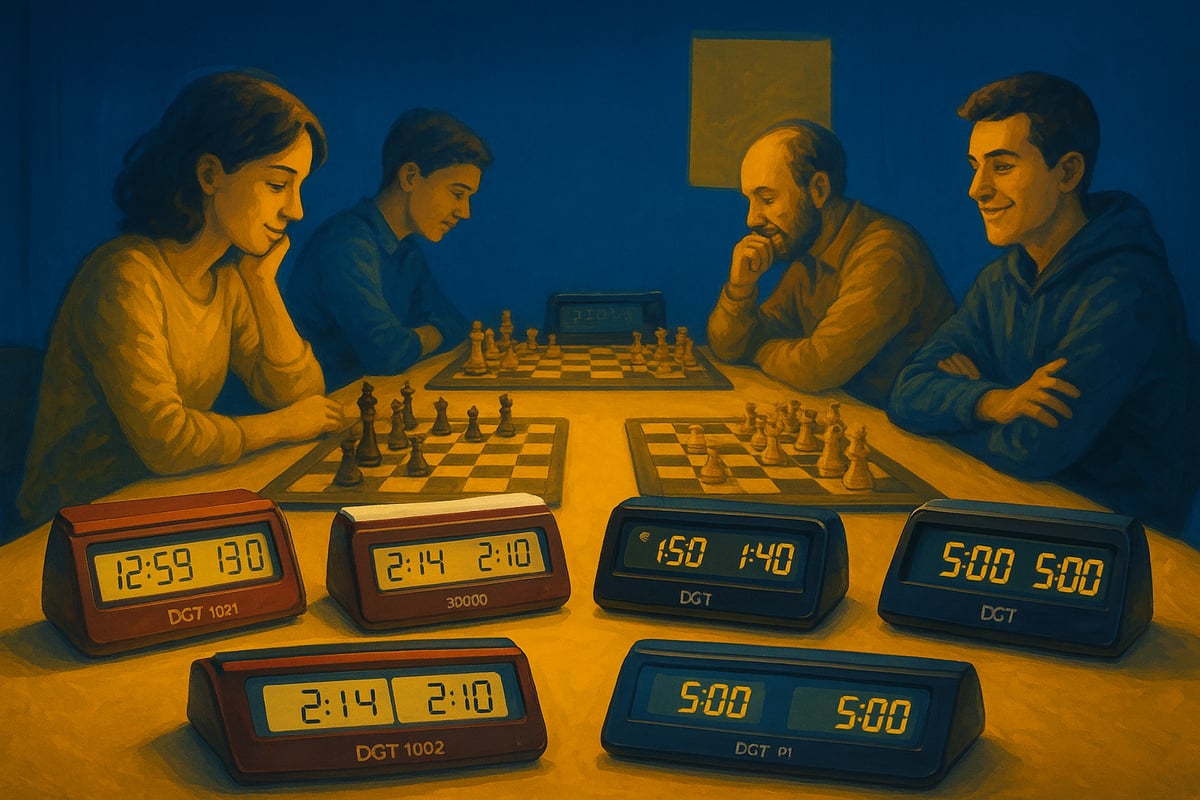
DGT offers a solid range of chess clocks to suit every type of player. Their main models include the DGT 2010, DGT 3000, DGT 1001, DGT 1002, and the DGT Pi Computer. Each dgt chess clock brings something unique to the table.
The DGT 2010 stands out as the official FIDE digital chess clock, making it a top choice for serious tournament play. It’s approved for use in all FIDE events, which means you’ll see it at major competitions worldwide. The DGT 3000 is known for its larger display and extra connectivity, making it a favourite in clubs that want to link clocks with digital boards.
Entry-level models like the DGT 1001 and DGT 1002 are budget-friendly and perfect for beginners or schools. They’re simple, reliable, and easy to set up. The DGT Pi Computer is more advanced, combining a chess computer with the features of a dgt chess clock for analysis and training.
Here’s a quick comparison:
| Model | Display Size | Main Use | FIDE Approved | Price Range |
|---|---|---|---|---|
| DGT 2010 | Large | Tournaments | Yes | $$ |
| DGT 3000 | Extra Large | Clubs, Events | Yes | $$$ |
| DGT 1001 | Standard | Home, Schools | No | $ |
| DGT 1002 | Standard | Beginners | No | $ |
| DGT Pi | Computerised | Analysis/Play | No | $$$$ |
For those wanting to get tournament-ready, check out the DGT 2010 official tournament chess clock to see why it’s trusted by organisers everywhere.
No matter which dgt chess clock you pick, you’ll find some handy features across the board. DGT clocks are famous for their large, easy-to-read displays, so you can check your time at a glance. Most models offer several timing modes, like classical, blitz, rapid, and increment, letting you play any format you like.
The button layout on a dgt chess clock is designed for quick, mistake-free operation. You won’t fumble around when the pressure’s on. Battery life is impressive, with most clocks offering months of play before you need a change, and some come with power-saving modes to stretch things even further.
Build quality is another strong point. These clocks are made to handle frequent use, whether you’re at a busy club or just playing with friends at home. The DGT 3000, for example, boasts an enhanced display, solid construction, and easy connectivity with electronic boards, making it a favourite for those who want more from their dgt chess clock.
Picking the right dgt chess clock depends on how and where you play. If you’re mainly at home or in a school setting, the DGT 1001 or DGT 1002 are lightweight, portable, and super simple to use. For club players, the DGT 2010 offers flexibility and all the official features you’ll need.
Tournament organisers and advanced players often lean towards the DGT 3000 for its extra features, including easier integration with digital boards and multiple timing modes. Portability is also a factor, so consider a chess clock bag if you’re always on the move.
User-friendliness is key for beginners, while seasoned players might want advanced options for custom time settings. Budget matters too, but remember that a good dgt chess clock is an investment in years of smooth, fair play.
Setting up your dgt chess clock doesn’t have to be a headache, even if you’re new to digital timers. In this easy-to-follow guide, we’ll walk through everything from unboxing to getting your clock ready for club night or tournament play. Whether you’re using the latest model or a classic favourite, you’ll have your dgt chess clock ticking perfectly in no time.
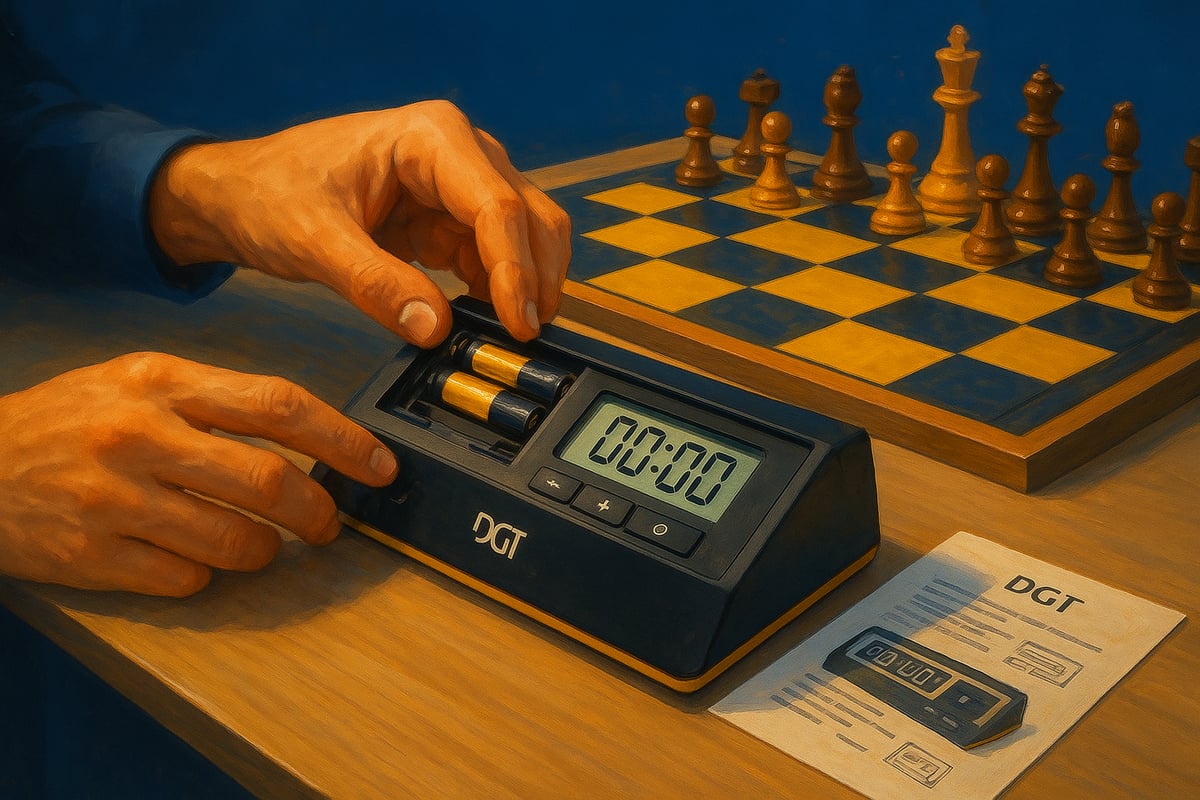
Let’s start at the beginning. When you open your dgt chess clock box, you’ll usually find the clock itself, a set of batteries (often AA or AAA), and a user manual. It’s a good idea to double-check that everything’s there before you begin.
Here’s a quick checklist:
Pop the batteries into the compartment, making sure the positive and negative ends match the diagram. Once you’ve done that, press the power button and watch the display light up.
Next, you’ll want to set your language and default preferences. Most models have a simple menu system that lets you toggle through options using the main buttons. For beginners, the DGT 1001 digital chess clock is a breeze to set up, with a single button for mode selection and clear digital numbers.
If your model lets you adjust brightness or sound, try those out now. These first steps make sure your dgt chess clock is ready for any game, from casual matches at home to serious club play.
Now, let’s dive into the fun part: setting up your dgt chess clock for different time controls. Every clock in the DGT range gives you options like classical, blitz, or rapid games, so you can match the timer to your style.
Here’s how to get started:
Some dgt chess clock models let you save your favourite settings for next time, which is handy if you play the same format regularly. Check your manual for instructions on saving and recalling these presets, especially if you’re switching between formats often.
If you’re prepping for a tournament, double-check the rules so your time controls are spot on. This little bit of effort will help you avoid any last-minute surprises and keep your games running smoothly.
If you’ve got a dgt chess clock that works with electronic chess boards, you’re in for a treat. These clocks can connect directly to DGT eBoards, letting you broadcast your games live or keep digital records.
Here’s what the pairing process might look like:
The big advantage? Tournament organisers can manage dozens of boards at once, and players can share their games online in real time. If you’re setting up at home, you’ll love being able to analyse your moves after the match. Just make sure your devices are compatible before you start pairing.
If you’re just starting out with a dgt chess clock, don’t stress. The best thing you can do is take a few minutes to read the manual for your specific model. Try practising with the buttons, setting up a quick game, and resetting the timer.
Here are some quick tips:
Many club-level players rely on the DGT 2010 for weekly meets, thanks to its reliability and clear display. No matter which model you’re using, a little practice goes a long way. Before you know it, you’ll be operating your dgt chess clock like a pro.
Want to take your dgt chess clock skills to the next level? Advanced timing modes can totally transform your games, whether you’re a tournament regular or just enjoy fast-paced blitz with friends. Let’s break down the main modes, custom settings, and clever features that’ll help you play like a pro.
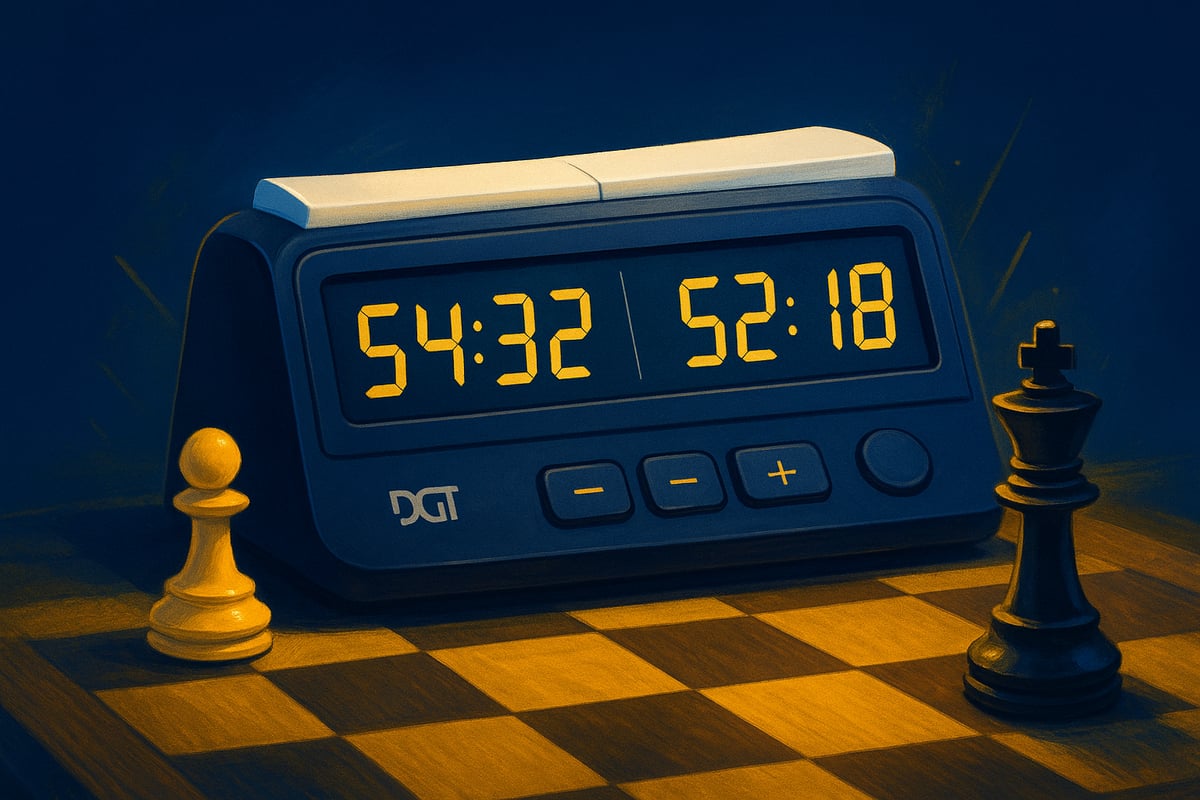
First up, let’s look at the core timing modes you’ll find on any modern dgt chess clock. Each mode creates a unique pace for your games, so choosing the right one can make all the difference.
Here’s a handy table for quick comparison:
| Timing Mode | Description | Typical Use |
|---|---|---|
| Classical | Long time controls, like 90 min + 30 sec | Tournament games |
| Blitz | 3-5 minutes per player, fast and intense | Online and club play |
| Rapid | 10-30 minutes per player | Casual tournaments |
| Bullet | 1-2 minutes per player, ultra-fast | Online blitz |
| Increment | Extra seconds added after each move | FIDE tournaments |
| Delay | Time delay before clock starts running | US events |
| Bonus | Similar to increment, varies by model | Various formats |
Increment (also called Fischer mode) is now standard in many events, letting players build up a small time buffer each move. Delay modes (like Bronstein or US delay) give you a few seconds before your main clock ticks down, which is great for keeping things fair.
If you’re after variety, the dgt chess clock lineup covers all these modes, so you’re never stuck with just one style. Try experimenting with blitz or increment to sharpen your reflexes and decision-making.
Customisation is where the dgt chess clock really shines. Want a quieter game? Adjust sound alerts. Prefer a brighter display for a late-night match? That’s just a few button presses away.
Many models let you:
Here’s how you might set up a multi-stage game:
This flexibility means you can prep your dgt chess clock for anything, from casual club nights to high-stakes tournaments. Don’t forget to revisit your settings before each event, so you’re always ready for action.
Beyond basic timing, your dgt chess clock packs a few hidden gems. Features like move counters and flag fall indicators make it easy to track progress and spot when time’s up.
Some handy extras include:
If you’re learning a new timing mode, try using pause and reset to practice without pressure. Locking your settings is also a lifesaver in tournaments, especially if you’re sharing equipment with others.
Let’s see how these features come together in real chess life. Tournament directors love the dgt chess clock for its reliability and flexibility. Managing dozens of boards? Save your favourite time profiles and set up all the clocks in record time.
Serious players often use increment modes to prepare for events, while club organisers rely on move counters to monitor fair play. The DGT 3000 FIDE approved chess clock is especially popular at top events, thanks to its advanced functions and easy connectivity with electronic boards.
No matter your level, exploring these advanced features will boost your confidence and help you get the most from your dgt chess clock every single game.
Getting the most out of your dgt chess clock is about more than just pressing buttons. Whether you’re playing at the club, joining a tournament, or just having a friendly match at home, a few smart habits can help you play fair, stay on time, and keep your clock running smoothly. Let’s break down the essentials so you’re always ready for your next game.
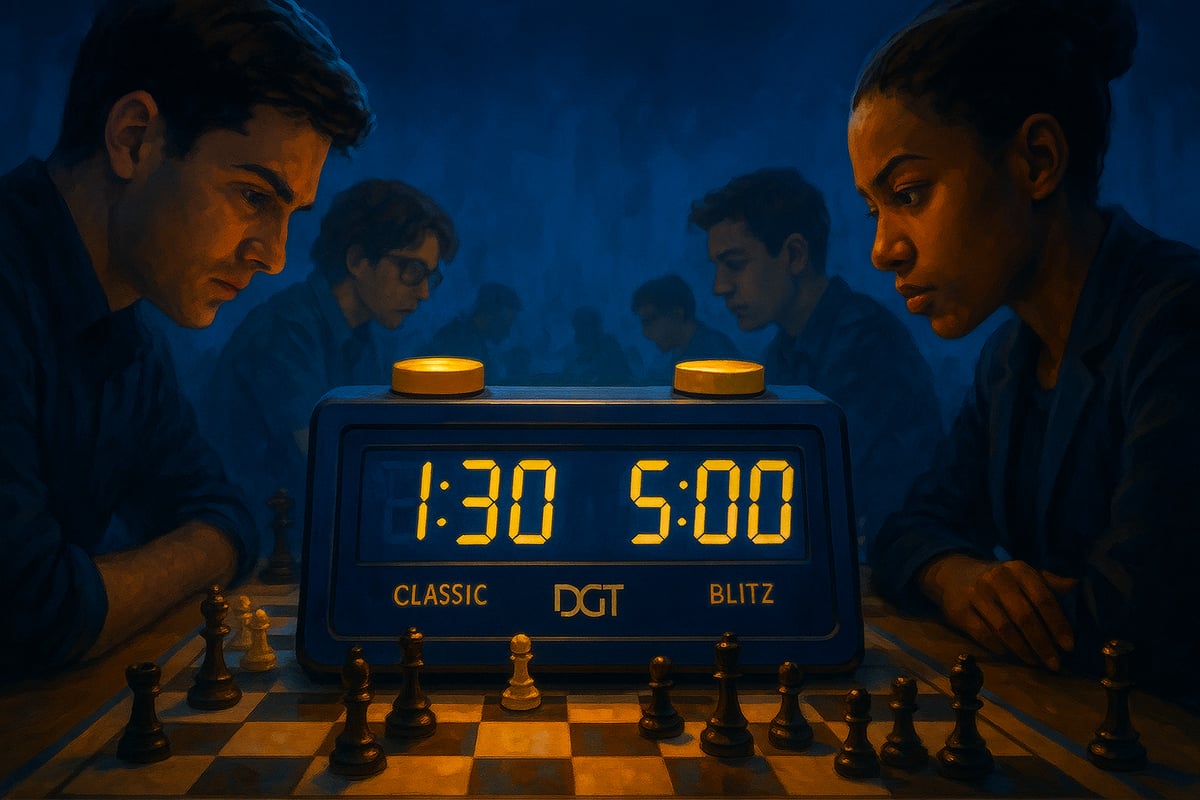
When it comes to chess, accuracy is everything. Using a dgt chess clock helps ensure both players get their fair share of time, keeping games balanced and fun. Before you start, double-check that both players understand which time control is set, whether it’s blitz, rapid, or classical. This avoids confusion and keeps things running smoothly.
Position the dgt chess clock where both players can see it easily. Good visibility stops disputes about remaining time and helps everyone stay focused. At club tournaments, organisers often standardise dgt chess clock settings for consistency, so everyone’s playing by the same rules.
Here’s a quick checklist to keep things fair:
A little preparation goes a long way to making sure your dgt chess clock supports fair and accurate play.
A dgt chess clock is only as reliable as its power source. Always use high-quality batteries for longer life, especially before big events. Check the battery indicator before each game so you’re not caught off guard by a sudden shutdown.
Keep your clock clean by wiping it down with a dry cloth. Store it in a soft bag or case when you’re not using it to prevent scratches and dust build-up. Avoid exposing your dgt chess clock to moisture or extreme temperatures, as this can cause display issues or drain the battery faster.
Simple habits for a longer-lasting clock:
Taking care of your dgt chess clock means you’ll spend less time troubleshooting and more time enjoying your games.
Even the best dgt chess clock can sometimes act up. If you notice the display flickering or buttons getting stuck, don’t panic. Most problems have simple fixes.
Here’s a handy table for quick solutions:
| Issue | Possible Cause | Quick Fix |
|---|---|---|
| Display glitches | Low battery | Replace batteries |
| Button not responding | Dirt or dust | Gently clean around buttons |
| Clock won’t turn on | Battery inserted wrong | Check and reinsert batteries |
| Settings reset randomly | Power interruption | Use fresh batteries, reset clock |
If you ever need to reset your dgt chess clock to factory settings, refer to your manual for the correct button sequence. For stubborn issues, official support and user forums are great places to find help.
With just a bit of troubleshooting know-how, you’ll keep your dgt chess clock running like new.
Chess tech is always evolving. Keeping your dgt chess clock’s firmware updated (if your model supports it) means you’ll get the latest features and bug fixes. Many players now use digital scorekeeping and connect their clocks to electronic boards for live broadcasting or analysis.
If you’re interested in what’s new or want to see which models are best for your needs, check out the DGT Chess Clocks Overview for up-to-date info on features and compatibility.
The dgt chess clock isn’t just a timer—it’s part of a bigger chess ecosystem. Explore integration with digital boards, experiment with advanced timing modes, and stay in the loop for new releases. That way, your dgt chess clock will keep pace with your growing chess ambitions.
If you play chess at a club or tournament, you’ve probably seen a DGT chess clock on every table. These clocks have become the gold standard, making sure games run fairly and smoothly, no matter if you’re a casual player or battling for a trophy.
Official chess tournaments have strict timing rules, and the DGT chess clock is front and centre for compliance. FIDE, the international chess federation, sets the standards for timing equipment in all rated tournaments. The DGT 2010 is widely recognised as the official FIDE chess clock, praised for its reliability and feature set. If you want to dive deeper into its credentials, check out the DGT2010 Official FIDE Chess Clock and see why it’s trusted worldwide.
Tournament organisers must use clocks that meet FIDE’s requirements for time controls, increments, and display clarity. The DGT chess clock lineup, especially the DGT 2010 and newer models, are approved for use in national and international competitions. This means you’ll see them everywhere, from junior championships to grandmaster events.
Many federations follow FIDE’s lead, making the DGT chess clock the default choice for consistent and fair timing.
Running a successful event means more than just having the right equipment. Organisers often set up dozens of DGT chess clock units before each round, double-checking time controls and battery levels. It’s smart to have spare batteries and a few extra clocks ready, just in case.
Players should always familiarise themselves with the DGT chess clock model being used. A quick run-through of how to start, pause, and reset the clock can save a lot of stress mid-game. Clubs often run training sessions so newcomers aren’t caught out by the clock’s functions.
When disputes happen, the DGT chess clock’s clear display and sound alerts make it easier to resolve issues like flag falls or incorrect settings. A well-placed clock is visible to both players and the arbiter, reducing confusion and keeping the focus on the board.
Modern chess is as much about technology as it is about strategy. Pairing a DGT chess clock with electronic boards lets tournaments broadcast games live, capturing every move for fans and analysts around the world. The DGT 3000 and similar models support seamless integration, making them a hit at big events.
Tournament directors love how the DGT chess clock connects to software for automatic data capture. This means less manual input and fewer mistakes when recording results. Clubs can even use these features to review games or run online events that mimic over-the-board play.
Live broadcasting isn’t just for the pros. Many local clubs now stream their top boards using DGT chess clock systems, bringing more excitement and transparency to grassroots chess.
Ask any organiser or tournament director, and they’ll tell you the DGT chess clock is a workhorse. Feedback from clubs highlights its durability, easy-to-read display, and user-friendly setup. Players appreciate the reliability, especially in tense blitz games where every second counts.
Surveys show high satisfaction ratings for DGT chess clock models across all levels of play. Whether you’re a beginner at your first club night or a seasoned competitor, these clocks help level the playing field and keep things running smoothly.
In short, the DGT chess clock isn’t just a timer, it’s a key part of the chess experience, trusted by the world’s top events and your local club alike.
Choosing the right DGT chess clock can feel a bit overwhelming, especially with so many great models out there. Whether you're playing at home, in the club, or heading into tournaments, the right clock can make all the difference. Let's break down how each DGT chess clock stacks up so you can pick the perfect fit for your needs.
When comparing DGT chess clock models, it helps to look at the details side by side. Each model offers something unique, from beginner-friendly simplicity to advanced features for serious competitors.
| Model | Display | Timing Modes | Connectivity | Price Range | Durability |
|---|---|---|---|---|---|
| DGT 1001 | Basic LCD | Classic, Rapid | None | Low | Good |
| DGT 1002 | Large LCD | Classic, Bonus | None | Low | Good |
| DGT 2010 | Large LCD | All FIDE modes | None | Mid | Excellent |
| DGT 3000 | Extra-Large | All FIDE modes | eBoard support | High | Excellent |
| DGT Pi | Colour LCD | All + Analysis | Computer, eBoard | Highest | Excellent |
All DGT chess clock models offer clear displays and reliable timing, but the DGT 2010 and DGT 3000 stand out for their versatility and FIDE approval. If you want connectivity for broadcasting or analysis, the DGT 3000 and DGT Pi have you covered.
Not every DGT chess clock suits every player. Here’s how to match your clock to your chess journey:
If you’re just starting out or managing a school program, you’ll love how intuitive the DGT 1002 feels.
A DGT chess clock is an investment, so it’s smart to think about long-term value. Look for models with solid warranties, easy battery changes, and proven customer satisfaction.
Many players appreciate that DGT clocks rarely need repairs and often last for years. If you want the latest tech and official FIDE approval, check out the DGT2500 Official FIDE Chess Clock for advanced features and future-proofing.
Customer reviews regularly praise the reliability of DGT models, and after-sales support is widely regarded as prompt and helpful.
To pick the best DGT chess clock for your needs, start by listing your must-have features. Do you need portability for travel, or are you after a clock with deep customisation for tournaments?
Consider how the clock will fit into your chess routine. If you plan to upgrade to electronic boards down the track, it’s wise to choose a model like the DGT 3000 for easy integration.
No matter your level, matching your DGT chess clock to your playing style ensures you get the most out of every match.
Leave a comment