

Call Us:
(03) 7037 0931
M-F 9am to 5pm

You've probably seen those stunning chess sets that make you stop scrolling and think, "That's a work of art." When it comes to an expensive chess board, we're not just talking about a playing surface – we're talking about heirloom pieces that combine centuries of tradition with materials and craftsmanship that justify their premium price tags. Whether you're a serious collector, a devoted player, or someone who appreciates the finer things, understanding what separates a basic board from a true luxury piece is worth exploring.
The price gap between a standard chess board and a premium one can seem astronomical at first glance. But when you dig into what goes into creating these masterpieces, the pricing starts to make sense.
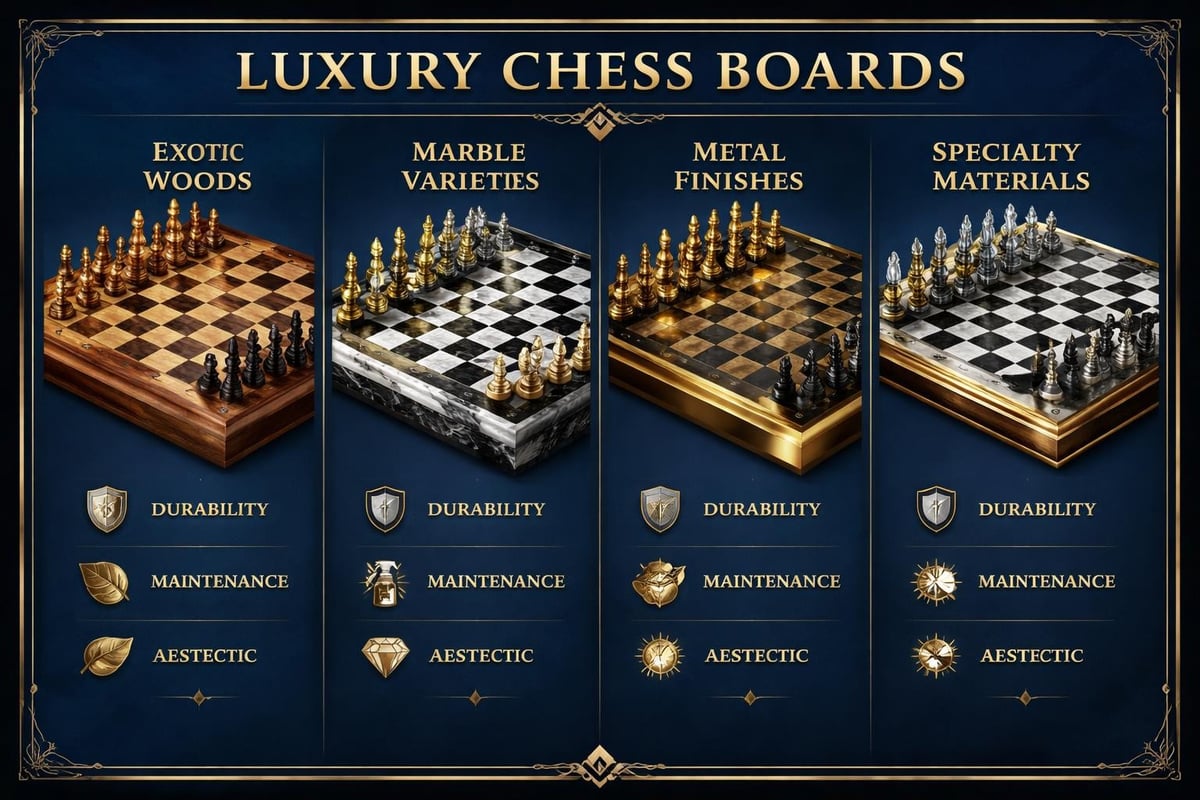
Materials are the foundation of value. An expensive chess board might feature rare woods like ebony, rosewood, or birdseye maple – timber that's increasingly difficult to source sustainably. Some luxury boards incorporate precious metals, mother-of-pearl inlays, or even semi-precious stones in their construction. The materials used in luxury chess board construction significantly impact both aesthetics and durability.
Beyond the raw materials, you're paying for expertise that's been refined over decades. Master craftspeople who create these boards often come from generations of artisans, bringing techniques that can't be replicated by machines. Each square might be hand-cut and perfectly fitted, with grain patterns meticulously matched across the entire surface.
Hand-finishing processes separate truly exceptional boards from mass-produced alternatives. Here's what sets them apart:
The time investment alone justifies much of the cost. A single high-end board might require 40-80 hours of skilled labour from start to finish. That's not including the time spent selecting and preparing the materials beforehand.
Some chess boards have become legendary for their price tags and the stories behind them. These aren't just playing surfaces – they're conversation pieces that have made headlines worldwide.
The Pearl Royale holds a special place in luxury chess history. This extraordinary set features South Sea pearls, hand-carved spiral designs, and took three years to complete. It's valued at over $4 million, making it one of the most expensive chess sets ever created.
| Board/Set Name | Estimated Value | Key Materials | Notable Features |
|---|---|---|---|
| Royal Diamond Chess Set | $9.8 million | White gold, diamonds, emeralds | 320 carats of black and white diamonds |
| Pearl Royale | $4 million | Pearls, gold | South Sea pearls, spiral design |
| Geoffrey Parker Ultimate | £1 million+ | Leather, precious metals | Handmade in England, luxury leather work |
Geoffrey Parker's contributions to luxury chess have been remarkable. When Geoffrey Parker launched the world's most expensive chess set, they combined traditional British craftsmanship with modern luxury materials, creating pieces that appealed to collectors and yacht owners alike.
If you're considering purchasing an expensive chess board in 2026, knowing what separates genuine quality from inflated pricing is crucial. Here's your roadmap.
Start with the wood quality. For luxury chess boards, look for tight grain patterns, proper seasoning (dried to prevent warping), and sustainable sourcing certifications. The board should feel substantial without being unwieldy.
Different construction techniques affect both appearance and longevity:
The joinery matters as much as the materials. Look for dovetail joints, precise mitre corners, and seamless transitions between playing surface and frame. Run your hand across the board – you shouldn't feel ridges or gaps between squares.
Weight and stability tell you plenty. A quality expensive chess board has heft to it. This isn't just about feeling premium – weight prevents the board from sliding during play and indicates solid construction rather than hollow chambers.
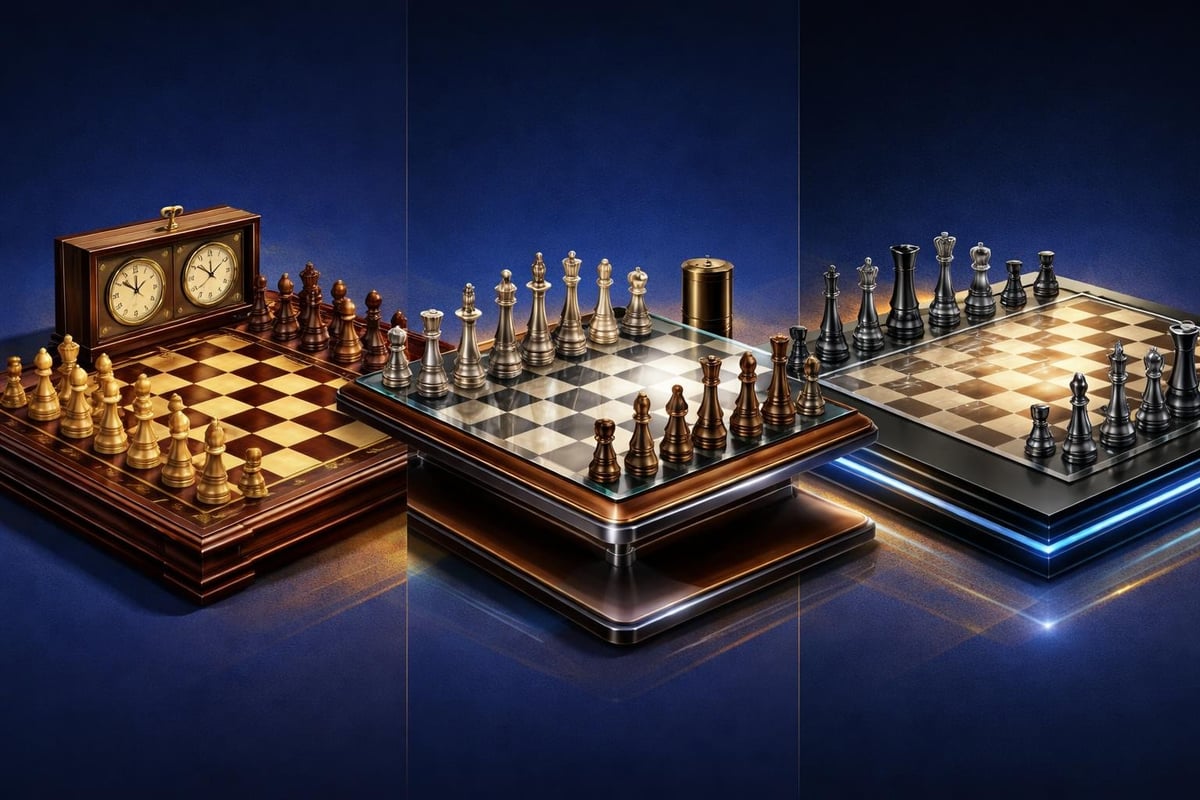
The chess world in 2026 offers two distinct approaches to luxury boards, each with devoted followers.
Traditional boards honour centuries of design evolution. Staunton chess sets remain the gold standard for serious players, with boards designed to complement these classic pieces. These boards typically feature:
Modern luxury boards push boundaries while respecting the game's fundamentals. You'll find materials like aircraft-grade aluminium, tempered glass with LED backlighting, and carbon fiber composite construction. Modern chess sets pair beautifully with contemporary board designs that make bold aesthetic statements.
Let's talk specifics about what you're actually paying for when materials drive up the cost of an expensive chess board.
Ebony remains the most sought-after dark wood for chess boards. Genuine Macassar or Gabon ebony is dense, jet-black, and increasingly rare. Expect to pay $800-$2,500 for a quality ebony board depending on size and construction.
Rosewood comes in several varieties, with Brazilian rosewood (now heavily restricted) commanding the highest prices. Indian rosewood offers similar beauty at more accessible price points. The rich red-brown tones develop deeper character as they age.
Birdseye maple provides stunning figured patterns that make each board unique. These natural "eyes" in the grain result from specific growing conditions and can't be artificially created. Boards featuring premium birdseye maple start around $600 and climb from there.
Exotic options include olive wood (Mediterranean origins, beautiful grain variation), thuya burl (Moroccan specialty with intricate patterns), and ziricote (Central American wood with dramatic black-and-brown streaking). The selection of luxury chess sets available today showcases these diverse materials beautifully.
Marble and stone boards offer completely different aesthetics. Italian Carrara marble, Mexican onyx, and semi-precious stones like lapis lazuli create boards that are as much sculpture as gaming equipment. Marble chess sets require different care than wood but last generations with proper handling.
Metal boards – particularly those using brass, bronze, or precious metals – appeal to collectors seeking something truly distinctive. These boards work beautifully in modern interiors and pair well with weighted metal pieces.
Glass presents its own challenges and rewards. Glass chess boards range from affordable tempered glass to hand-blown art glass with precious metal leaf inclusions. The transparency creates stunning visual effects, especially with proper lighting.
Here's the practical question: does spending serious money on an expensive chess board make financial sense beyond the enjoyment factor?
Limited edition and artist-created boards appreciate fastest. When a renowned craftsperson or designer creates a numbered, limited run, scarcity drives value. Some of the most expensive chess sets ever sold were limited editions that appreciated significantly over time.
Production pieces from established luxury brands tend to hold value better than unknown makers. Names like Dal Rossi, Geoffrey Parker, and other heritage brands maintain secondary market demand. You can explore quality options from makers like Dal Rossi who balance craftsmanship with reasonable production volumes.
| Investment Factor | Impact on Value | What to Look For |
|---|---|---|
| Maker reputation | High | Established luxury brands, artist signatures |
| Materials rarity | Medium-High | Restricted woods, precious metals/stones |
| Condition | Very High | Original finish, no repairs, complete documentation |
| Provenance | Medium | Ownership history, exhibition records |
| Market trends | Variable | Current collector interest in specific styles/periods |
Maintenance matters enormously for investment pieces. An expensive chess board requires proper care – controlled humidity, regular conditioning for wood, careful cleaning for delicate materials. Documentation of care and any professional restoration work adds to resale value.
So you've decided to invest in something special. How do you actually choose the right expensive chess board for your needs?
Tournament players have different needs than collectors. If you play regularly, prioritise:
Collectors might emphasise display value, historical significance, or investment potential instead. Many serious enthusiasts maintain separate boards – one for playing, others for display.
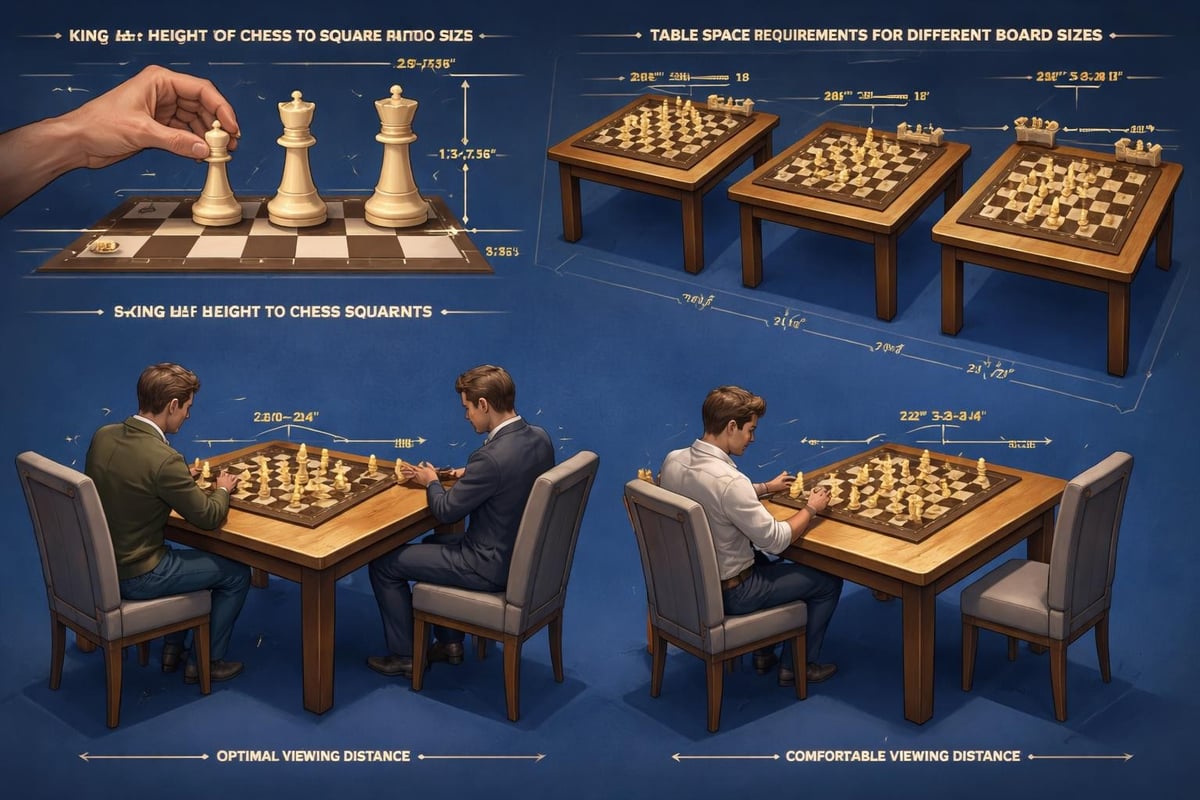
Size considerations go beyond just the playing surface. Standard tournament size is 50-55cm square with 5-6cm squares. Larger boards (60-70cm) create impressive displays but require substantial table space. Consider where the board will live before committing to dimensions.
New luxury boards offer warranty coverage, perfect condition, and current design sensibilities. You'll know exactly what you're getting, with documentation and often maker support for questions or minor issues.
Vintage and antique boards bring history and often unique craftsmanship that's difficult to replicate today. Pre-1970s boards may feature wood species now restricted or extinct. The patina of age adds character that new boards lack.
When buying vintage, inspect carefully for:
An expensive chess board demands proper care to maintain its beauty and value through decades of use. Here's what actually works.
Climate control isn't optional for wood boards. Maintain 40-60% humidity year-round. Too dry and wood cracks; too humid and it swells or warps. A room humidifier or dehumidifier pays for itself by preventing damage worth hundreds or thousands of dollars.
Cleaning should be gentle and infrequent. For wood boards, a barely-damp microfiber cloth removes dust. Every 6-12 months, apply appropriate wood conditioner – use lemon oil for most woods, specialized products for oiled finishes. Never use furniture polish with silicones, which can create buildup.
For marble or stone boards, use pH-neutral cleaners only. Acidic substances etch the surface permanently. Glass boards tolerate standard glass cleaners but avoid abrasive cloths that might scratch.
Store your board flat, never propped at an angle for extended periods. If you have the original packaging, keep it – proper storage boxes maintain value and provide ideal protection.
The ultimate expensive chess board balances beauty with functionality. You shouldn't have to choose between an impressive display piece and something genuinely pleasant to play on.
Contrast between squares matters more than you'd think. The human eye needs clear differentiation to track piece positions during long games. The most successful luxury boards achieve this through colour selection, finish differences (matte vs gloss), or subtle texture variations rather than jarring contrasts.
Edge details frame the playing surface beautifully while serving practical purposes. Quality boards feature raised edges that prevent pieces from sliding off during aggressive play. The width and style of borders significantly impact the overall aesthetic – compare minimalist flush edges to elaborate marquetry borders extending several centimetres beyond the playing surface.
Portability isn't usually a priority for expensive chess boards, but it's worth considering. Some luxury foldable chess boards use sophisticated hinging and magnetic closures that maintain rigidity during play while allowing for storage. Others are designed as permanent furniture pieces.
For some collectors and players, even the finest production boards don't quite satisfy. That's where custom commissions enter the picture.
Working with a skilled craftsperson to create your ideal board allows complete control over every detail. You'll specify dimensions, wood species, inlay patterns, border designs, and even details like the finish sheen level. The process typically unfolds like this:
Custom boards start around $2,000-$3,000 for relatively simple designs from skilled makers. Complex marquetry, precious materials, or renowned artisans push prices into five figures easily. The advantage? You'll own something absolutely unique that perfectly matches your vision.
There's something intangible about playing on a truly exceptional expensive chess board. The weight of quality pieces settling into position, the perfectly smooth glide across a hand-polished surface, the way light plays across figured wood grain – these elements enhance the game itself.
Serious players report deeper concentration when playing on quality equipment. It's similar to how a pianist performs differently on a concert grand versus a basic upright. The board becomes an extension of your thinking process rather than a distraction.
Wooden chess boards specifically create an acoustic element that synthetic materials can't match. The subtle sound of wood on wood as pieces move provides tactile feedback that players subconsciously process.
For casual games with friends, an expensive chess board sets a tone of respect for the game. It signals that this match matters, that the ancient strategy deserves beautiful surroundings. It naturally encourages thoughtful play and reduces hurried moves.
While we've focused on boards specifically, most expensive chess board purchases involve considering the complete playing experience.
Piece selection makes or breaks the aesthetic. Your board deserves pieces of comparable quality. Luxury chess pieces should match the board's style, scale, and material quality. A $2,000 ebony board paired with $50 plastic pieces creates jarring dissonance.
Timing equipment matters for serious players. Quality chess clocks range from reliable digital units to mechanical masterpieces. Match the clock's style to your board – a sleek digital clock complements modern boards, while vintage analog clocks suit traditional wooden sets.
Storage deserves consideration too. Chess piece storage cases protect your investment between games and display pieces beautifully. Felt-lined wooden boxes are traditional; modern alternatives include specialized foam-fitted cases.
Some collectors go further with dedicated chess tables that elevate the board to comfortable playing height while providing storage drawers for pieces, clocks, and notation materials.
An expensive chess board represents more than a luxury purchase – it's an investment in the quality of every game you'll play and a beautiful object to enjoy daily. The combination of rare materials, masterful craftsmanship, and timeless design creates pieces that become family heirlooms rather than mere gaming equipment. If you're ready to experience chess on a truly exceptional board, the team at Sterling Chess can help you find the perfect match for your playing style, space, and budget, with expert guidance through every step of your selection.
Leave a comment