

Call Us:
(03) 7037 0931
M-F 9am to 5pm

There's something absolutely captivating about a medieval chess set. Maybe it's the way each piece tells a story of knights and castles, or how the craftsmanship connects us to centuries of tradition. Whatever draws you in, these sets aren't just game pieces-they're portals to an era when chess was cementing its place as the ultimate game of strategy. Whether you're a serious collector, a player who appreciates heritage, or someone searching for that perfect statement piece, understanding what makes medieval sets special will transform how you see the game.
Medieval chess sets carry fascinating stories that stretch back nearly a millennium. The game itself arrived in Europe around the 10th century, travelling from Persia through the Islamic world and into Spain and Italy. As it spread, the pieces evolved to reflect European culture and artistry.
The Lewis chessmen, discovered in the Outer Hebrides in 1831, represent one of the most iconic examples we have today. These 12th-century pieces, carved from walrus ivory and whale teeth, show us exactly how medieval artisans approached chess design. The kings sit on thrones, the bishops wear mitres, and the rooks appear as warders biting their shields-each piece brimming with character and medieval life.
You might wonder why medieval aesthetics remain so popular when we've got sleek, modern designs everywhere. Here's the thing: medieval sets offer something contemporary designs often miss-storytelling and soul.
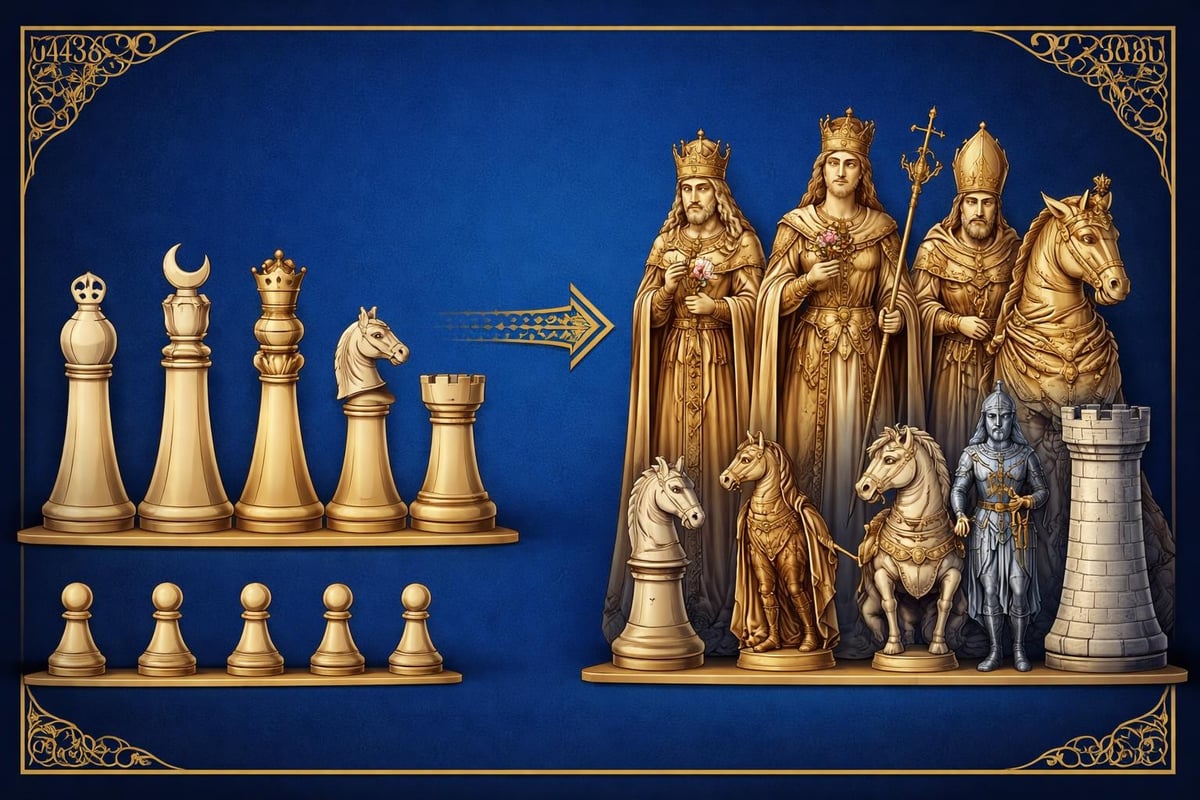
When you're looking at a medieval chess set, you're typically seeing one of two things: historically accurate reproductions or modern interpretations inspired by the era. Both have their place, and knowing the difference helps you choose wisely.
The Charlemagne chessmen, dating to the 11th century, showcase the transition period when chess pieces were becoming more figurative. These ivory pieces, though legendarily attributed to Charlemagne himself, actually demonstrate how medieval craftspeople began creating more recognizable forms.
| Style Type | Characteristics | Best For | Price Range |
|---|---|---|---|
| Authentic Replicas | Exact copies of museum pieces, historically accurate materials | Serious collectors, museums | $$$ - $$$$ |
| Inspired Reproductions | Medieval aesthetic with modern playability | Players and collectors | $$ - $$$ |
| Decorative Interpretations | Artistic freedom with medieval themes | Display and casual play | $ - $$ |
| Museum-Quality Casts | Direct molds from originals | Collectors wanting authenticity | $$$ |
Different parts of medieval Europe developed distinct chess styles. The Selenus chess set represents the Germanic and Northern European approach, featuring abstract, turned designs that preceded the standardized pieces we know today. These sets look quite different from the figurative pieces popular in England and France.
If you're drawn to a particular regional style, consider what speaks to you. German sets tend toward elegant simplicity, while French and English designs often feature more elaborate figurative work. Italian sets sometimes incorporated architectural elements, reflecting the Renaissance influence bleeding into later medieval periods.
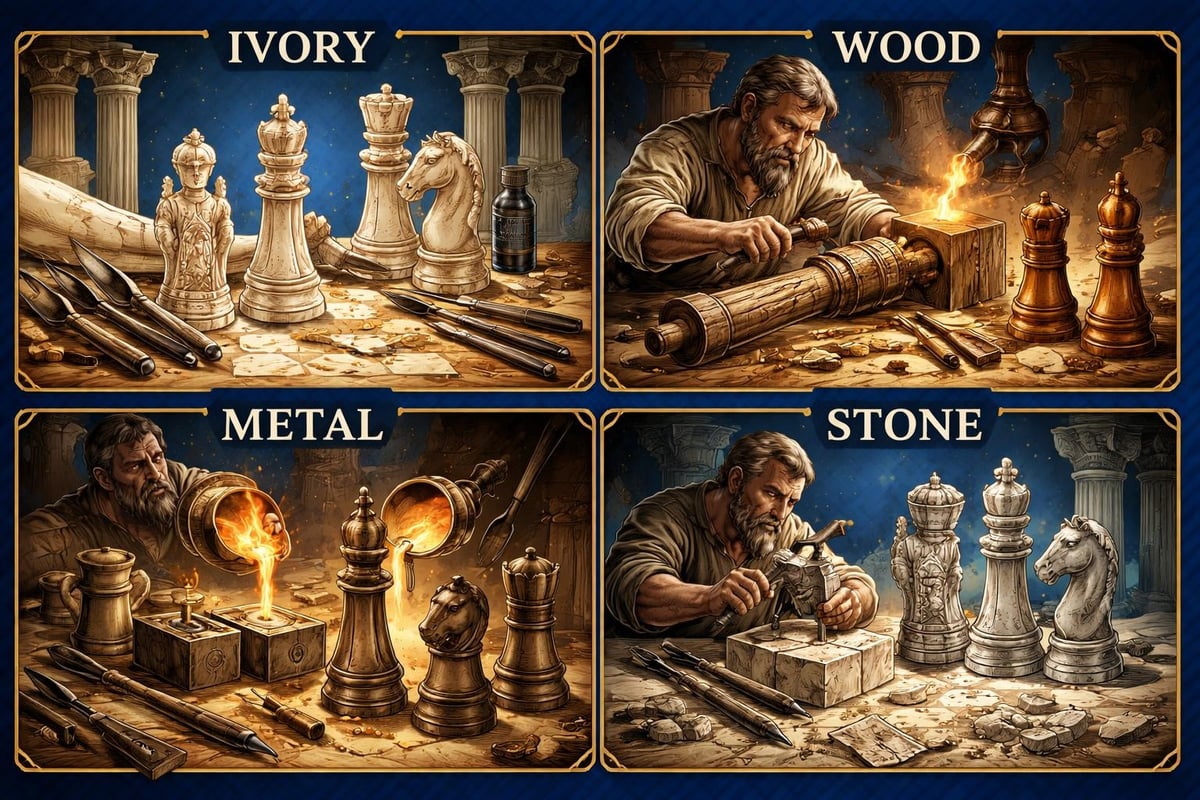
The materials used in medieval chess sets weren't chosen randomly-they reflected both availability and status. Understanding these materials helps you appreciate reproduction quality and make informed choices.
Traditional Medieval Materials:
Modern reproductions of medieval sets often use alternative materials that capture the aesthetic without the ethical concerns of ivory. Quality polyresin, aged bone composite, and specially treated woods can create stunning pieces that honour medieval craftsmanship while being entirely contemporary.
Shopping for a medieval chess set in 2026 means you've got incredible options, but quality varies wildly. Here's what separates exceptional pieces from disappointing ones.
The devil's in the details with medieval sets. Look closely at how pieces are finished-are the facial features on kings and queens distinct? Do the horses actually look like medieval warhorses, with proper proportions and tack? Quality medieval reproductions capture these nuances.
Check the weight and balance of pieces. Medieval sets were designed for actual play, not just display. Each piece should feel substantial in hand, with proper weighting that prevents tipping during games. Sterling Chess's collection emphasizes this playability alongside authentic aesthetics.
Key Quality Indicators:
Your medieval pieces deserve a board that complements their heritage. Traditional medieval boards were often simple affairs-leather, wood, or even cloth marked with squares. Modern medieval sets pair beautifully with aged wood boards, marble, or boards featuring period-appropriate inlay work.
The square size matters more than you'd think. Medieval pieces tend to be chunkier than modern Staunton designs, so they need adequate space. A good rule: the king's base should occupy about 75-80% of a square's width. Too cramped and the set loses its visual impact; too spacious and pieces look lost.
Here's where medieval chess sets get interesting-they serve dual purposes, but not all sets excel at both. Understanding your primary use shapes which set you'll love long-term.
| Priority | Collector Focus | Player Focus |
|---|---|---|
| Primary Concern | Historical accuracy, rarity | Playability, piece differentiation |
| Material Preference | Original materials, patina | Durable, weighted pieces |
| Display vs Use | Display dominates | Regular gameplay |
| Investment Angle | Appreciation potential | Lasting quality and enjoyment |
| Budget Allocation | Higher for authenticity | Balance of quality and value |
If you're primarily a player who loves medieval aesthetics, look for sets that balance historical inspiration with practical design. The theme chess sets available today often strike this balance beautifully, giving you medieval flair without sacrificing playability.
Collectors, meanwhile, might gravitate toward limited edition reproductions of famous sets or pieces crafted using traditional techniques. The Medieval Theme Metal Chess Set by Italfama exemplifies high-end craftsmanship that appeals to serious collectors.
Contemporary artisans haven't abandoned medieval themes-they've reimagined them. Some of the most exciting chess sets in 2026 blend medieval inspiration with modern materials and techniques.
Artists today create medieval-inspired sets that honour tradition while pushing creative boundaries. The Medieval Cathedral Chess Set demonstrates this beautifully, drawing inspiration from Gothic architecture to create pieces that feel simultaneously ancient and fresh.
These artistic interpretations often feature:
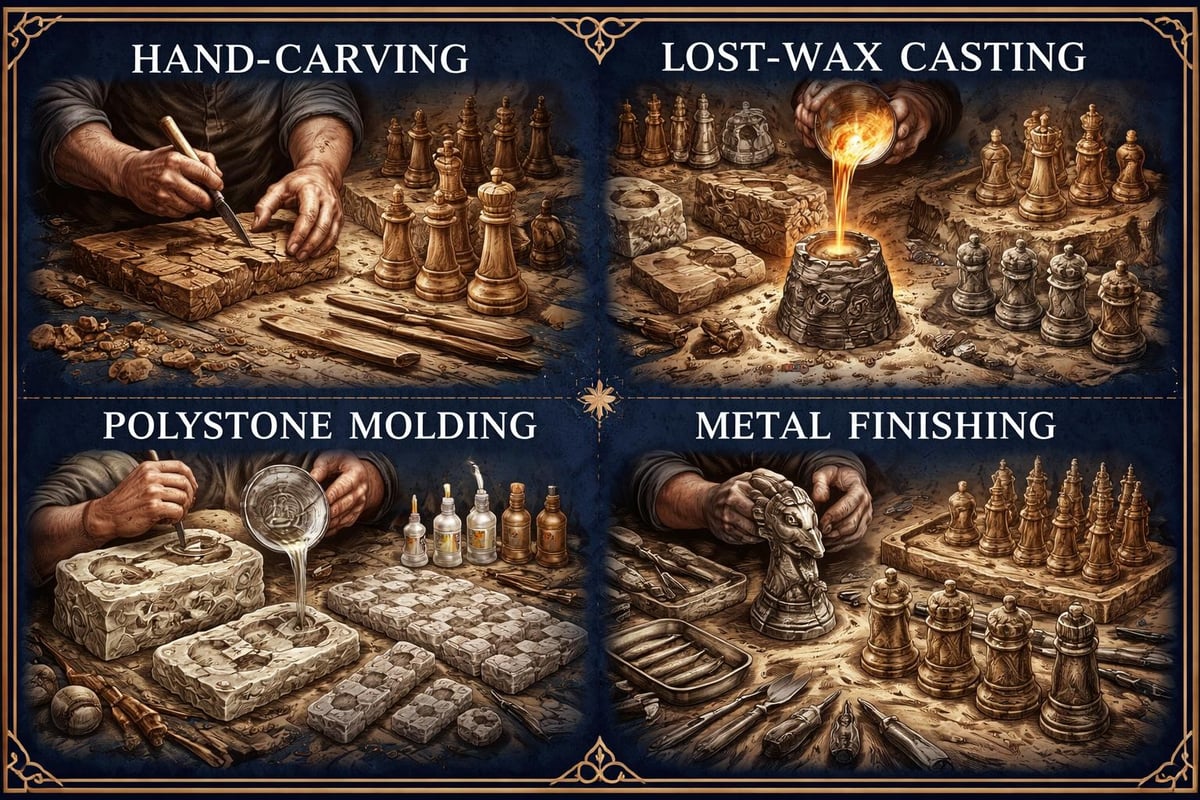
The high end of the medieval chess market showcases extraordinary craftsmanship. Pieces created using the ancient lost-wax technique and finished with 24-carat gold represent the pinnacle of chess artistry. These aren't just game pieces-they're heirloom investments.
For collectors seeking museum-quality pieces, luxury chess sets offer authenticated reproductions and artist-signed originals. The investment can be substantial, but these pieces often appreciate, especially limited editions from renowned craftspeople.
Whether you've invested in an authentic reproduction or a beautiful interpretation, proper care ensures your medieval chess set remains stunning for generations.
Maintenance Essentials:
Wood pieces benefit from occasional treatment with appropriate wood conditioners, while metal sets might need gentle polishing to maintain their lustre. If you're unsure about caring for specific materials, the team at Sterling Chess can provide expert guidance tailored to your particular set.
With countless options available, how do you actually choose? Start by honestly assessing what you value most.
For Active Players:
Medieval sets designed for play should prioritize piece recognition and stability. The Leipzig reproduction, based on 14th-century German design, offers excellent playability while maintaining historical aesthetics. Look for sets where knights clearly face forward, bishops have distinctive mitres, and rooks are unmistakable.
For Display and Occasional Play:
You've got more flexibility here. Sets featuring intricate detail, elaborate bases, or artistic interpretation work beautifully. Medieval-themed polystone sets often provide stunning visual impact at accessible price points.
For Serious Collectors:
Focus on provenance, artist reputation, and historical accuracy. Limited editions, pieces using traditional crafting methods, and sets with documentation command premium prices but offer genuine investment potential. The Isle of Lewis chess sets remain perennial favorites among collectors for their historical significance.
Beyond their beauty, medieval chess sets represent a fascinating chapter in game history. Chess evolved alongside medieval society, with pieces reflecting the social hierarchy and warfare of the time. Understanding this context enriches your appreciation of these sets.
The game tabula, a predecessor to backgammon, coexisted with chess in medieval halls, showing how strategy games were central to medieval leisure culture. Chess, however, uniquely captured the medieval imagination because it mirrored their world-a kingdom defended by knights and clergy, with pawns representing the common soldiers.
In our digital age, there's something profoundly satisfying about these tangible connections to history. A medieval chess set isn't just nostalgic-it's a reminder that strategic thinking and craftsmanship transcend centuries. When you move a knight carved like a medieval warhorse, you're participating in a tradition that spans nearly a thousand years.
You wouldn't put a vintage wine in a plastic cup, right? Same principle applies to medieval chess sets. The board matters enormously.
Ideal Board Matches:
The experts specializing in chess boards can help match your medieval pieces with boards that enhance rather than distract. Remember, the board should frame your pieces, not compete with them for attention.
A quality medieval chess set makes an extraordinary gift that communicates thoughtfulness and respect for tradition. Whether for a chess enthusiast's milestone birthday, a wedding gift that symbolizes strategy and partnership, or a graduation present encouraging strategic thinking, these sets carry weight beyond their physical presence.
What Makes Medieval Sets Exceptional Gifts:
When purchasing as a gift, consider including a brief history of the set's style or the medieval period it represents. This context transforms a beautiful object into a gateway for learning and appreciation.
Medieval chess sets span enormous price ranges, from affordable reproductions under $100 to museum-quality pieces exceeding $10,000. Understanding what drives these differences helps you invest wisely.
Lower-priced sets typically use molded materials with minimal hand-finishing. They capture the medieval aesthetic but may lack the detail and durability of higher-end options. Mid-range sets ($200-$800) often represent the sweet spot for players and casual collectors, offering genuine craftsmanship without museum-level prices.
Premium and luxury medieval sets justify their cost through:
The customer reviews from fellow chess enthusiasts often provide honest insights into which sets deliver genuine value versus which ones disappoint despite attractive pricing.
Medieval chess sets bridge centuries, connecting us to an era when the game was establishing itself as the ultimate test of strategy and intellect. Whether you're drawn to historically accurate reproductions or modern interpretations of medieval themes, choosing the right set means balancing aesthetics, playability, and your personal connection to chess heritage. At Sterling Chess, we're passionate about helping you find that perfect medieval set that you'll treasure for years to come, whether it's for serious play, collecting, or simply celebrating the timeless beauty of chess craftsmanship.
Leave a comment