

Call Us:
(03) 7037 0931
M-F 9am to 5pm

There's something truly special about sitting down to a game with a traditional chess set. The weight of the pieces in your hand, the smooth finish of quality wood, the classic silhouette of a Staunton knight-these aren't just game components. They're a connection to centuries of strategic thinking, craftsmanship, and the timeless appeal of chess itself. Whether you're a seasoned player looking to upgrade your board or someone searching for that perfect first quality set, understanding what makes a traditional chess set special helps you make the right choice. Let's explore what defines these iconic sets and why they continue to captivate players and collectors across the globe.
When we talk about a traditional chess set, we're generally referring to designs that honour the classic aesthetics and proportions established in the mid-19th century. The Staunton design, created in 1849, became the standard that most traditional sets follow today.
These sets share several key characteristics:
The beauty of a traditional chess set lies in its functionality meeting artistry. Unlike themed or novelty sets where you might pause to remember which piece is which, traditional designs let you focus entirely on the game. The shapes are instantly recognizable, refined over time to be both beautiful and practical.
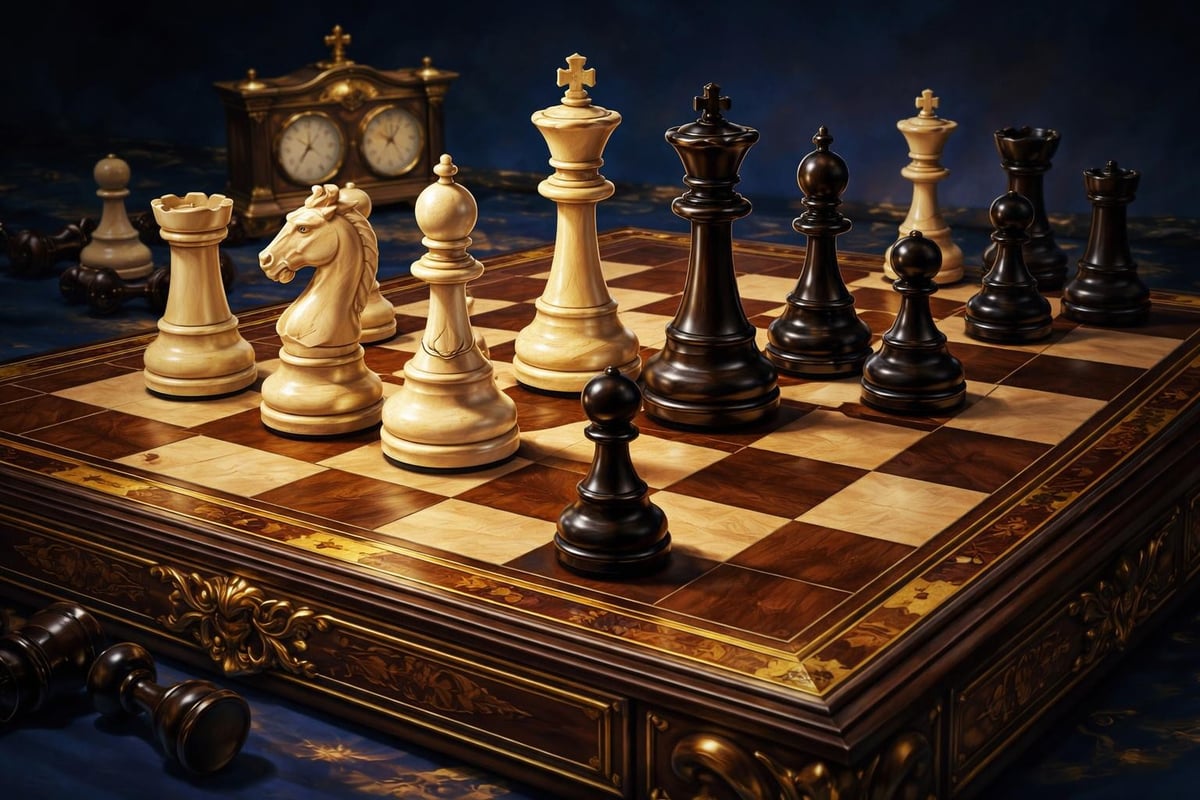
The Staunton design isn't just popular-it's the official standard for tournament play worldwide. Named after Howard Staunton, a leading English chess master of the Victorian era, this design solved a real problem: earlier chess sets were often too ornate or varied, making it difficult for players to quickly identify pieces during competitive matches.
What makes Staunton pieces so enduring? Each piece has a distinct silhouette that's recognizable even in your peripheral vision. The knight's horse head, the bishop's mitre, the rook's castellated tower-these shapes became the visual language of chess. When you're deep in thought over a complex position, you don't want to waste mental energy deciphering which piece is which.
Wooden chess sets remain the gold standard for traditional designs, and there's good reason for their enduring popularity. Different woods offer unique characteristics that affect both the look and feel of your set.
| Wood Type | Characteristics | Common Uses |
|---|---|---|
| Ebony | Dense, dark, luxurious feel | Dark pieces in premium sets |
| Boxwood | Light colour, fine grain, durable | Light pieces in classic sets |
| Rosewood | Rich red-brown tones, beautiful grain | Both pieces and boards |
| Sheesham | Golden-brown colour, affordable | Mid-range traditional sets |
| Walnut | Deep brown, elegant finish | Boards and darker pieces |
The Dal Rossi collection at Sterling Chess showcases how different materials can transform a traditional design. Their ebony and boxwood chess pieces represent the classic pairing that's been favoured for generations-the stark contrast between light and dark woods creates stunning visual appeal while maintaining perfect playability.
Beyond wood, some traditional sets incorporate brass, stone, or weighted resin. The key is that the material enhances rather than distracts from the classic design principles. A brass Staunton set, for instance, adds weight and durability whilst keeping the familiar silhouettes players rely on.
The artisanship behind traditional chess sets transforms simple game pieces into heirlooms. Quality traditional sets often feature hand-carved elements, particularly in the knights, where the horse's expression and mane details showcase a craftsman's skill.
Look for these quality indicators:
The best traditional sets balance machine precision with hand-finishing. Modern techniques ensure consistent proportions and weighting, whilst skilled artisans add the final touches that bring character to each piece.
Getting the proportions right makes all the difference in how your traditional chess set looks and plays. There's a beautiful harmony between piece size and board dimensions that shouldn't be ignored.
The Golden Ratio: Your king's base diameter should be 75-80% of your board's square size. So if you've got a board with 50mm squares, you'll want a king with a 37.5-40mm base. This ensures pieces fit comfortably within squares without crowding or looking lost.
For tournament play, FIDE recommends:
But here's the thing-not everyone's playing in tournaments. Your ideal size depends on where and how you'll use your set. A coffee table display piece might benefit from larger, more impressive pieces, whilst a travel set needs compact dimensions.
Think about your primary use when selecting a traditional chess set. Some sets lean heavily into the display category-they're stunning to look at but might feel precious for regular play. Others prioritize functionality, designed for countless games without showing wear.
For regular play, prioritize:
For display pieces, consider:
Many collectors find themselves wanting both-a beautiful display set that captures attention and a reliable playing set for actual games. There's no rule saying you can't have multiple traditional chess sets, each serving its own purpose.
A traditional chess set isn't complete without the right board. The board provides the stage where strategy unfolds, and traditional designs typically favour wood or wood-veneer construction.
Inlaid boards feature alternating squares of contrasting woods permanently set into the board surface. These offer superior durability since the pattern won't wear off, and walnut inlaid boards provide that timeless aesthetic many players prefer.
Veneer boards apply thin layers of wood over a stable base, allowing for intricate patterns and borders whilst keeping costs reasonable. Quality veneer work can be just as beautiful as solid inlay.
Solid wood boards carved from single pieces of timber offer unmatched character. Each board becomes unique thanks to the wood's natural grain patterns.
Traditional boards often include:
The carbon fibre chess boxes from Dal Rossi show how modern materials can complement traditional piece designs-sometimes contrast creates something special.
Here's something worth considering: a quality traditional chess set often increases in value over time. Unlike mass-produced plastic sets that depreciate immediately, well-crafted wooden sets can become more valuable as they age, especially limited editions or sets from renowned craftsmen.
What makes a traditional chess set a good investment?
The evolution of chess set designs shows how certain styles become more sought-after over time. Soviet-era sets, for example, now command premium prices among collectors.
But investment value isn't just monetary. A traditional chess set you use regularly becomes part of your personal history. The games you play, the opponents you face, the strategies you develop-these memories attach themselves to the physical pieces. Twenty years from now, that set will be irreplaceable regardless of its market value.
Proper maintenance ensures your traditional chess set remains beautiful and functional for decades. Wood is remarkably durable when treated right, but it does need some basic care.
Regular maintenance:
What to avoid:
For occasional deeper cleaning, use a barely damp cloth followed immediately by a dry one. Some wooden sets benefit from rare applications of specialized wood polish, but less is more-you're maintaining, not refinishing.
If you've got a brass Staunton set, like the Dal Rossi brass chess pieces, a gentle metal polish once or twice a year keeps them gleaming. Just be careful around the felted bases.

With so many chess sets available today, finding authentic traditional designs requires a bit of knowledge. Not everything marketed as "traditional" actually honours the classic principles that define these sets.
Red flags to watch for:
Good signs of authenticity:
Sterling Chess specializes in curating authentic traditional sets that honour the game's heritage. When you're investing in a quality set, working with knowledgeable specialists who understand the difference between genuine craftsmanship and mass-market imitations makes all the difference.
While the Staunton design dominates traditional chess sets, variations exist that maintain classical principles whilst adding unique character. Historical chess set designs show how different cultures and eras interpreted the game's aesthetic.
The Renaissance chess pieces collection demonstrates how traditional sets can incorporate historical themes without sacrificing playability. These maintain the functional clarity needed for serious play whilst adding artistic elements that make them conversation starters.
Some traditional variants include:
Each variation has its devoted followers, but they all share the traditional emphasis on quality materials, proper proportions, and playability first.
There's a tangible difference in how a game feels when you're using a proper traditional chess set. The weight of a wooden piece in your hand, the solid sound as it settles onto the board, the visual clarity of classic silhouettes-these elements combine to create an experience that cheap sets simply can't match.
Players often describe traditional sets as:
The physicality matters more than you might think. When pieces have substantial weight and quality felt, they stay where you place them. You're not constantly adjusting pieces that got nudged, or dealing with lightweight knights that topple at the slightest vibration.
For teaching chess to beginners, traditional sets offer clear visual learning. The distinct piece shapes help new players develop pattern recognition faster than with abstract or heavily stylized designs.
Quality traditional chess sets exist across a wide price spectrum. You don't need to spend thousands to get something genuinely good, though premium sets certainly offer features worth considering.
| Price Range | What to Expect | Best For |
|---|---|---|
| Under $200 | Sheesham or basic hardwoods, machine-finished, solid construction | Regular players, first quality set |
| $200-$500 | Better woods (ebony/boxwood combos), some hand-finishing, weighted pieces | Serious players, gift-giving |
| $500-$1500 | Premium materials, extensive hand-crafting, superior detailing | Collectors, display pieces |
| $1500+ | Exotic woods, master craftsmen, limited editions, historical recreations | Investment collecting, heirlooms |
The sweet spot for many players falls in the $200-$500 range, where you get genuinely excellent quality without the premium associated with rare woods or famous makers. Sets in this range often provide 90% of the aesthetic and playing experience of much pricier options.
Selecting the right traditional chess set comes down to understanding your priorities and being honest about how you'll actually use it. Ask yourself:
Visit specialists when possible to handle different sets in person. The difference between a 95mm king and a 105mm king seems minor on paper, but feel quite different in actual play.
If you're buying online, work with retailers who provide detailed specifications and clear return policies. The team at Sterling Chess understands that choosing a traditional chess set is personal-what works brilliantly for one player might not suit another, and that's perfectly fine.
A traditional chess set represents more than just playing equipment-it's an investment in your enjoyment of the game, a statement of appreciation for craftsmanship, and often a piece you'll treasure for years to come. Whether you're drawn to classic Staunton designs or prefer historical variations, the perfect set balances aesthetics with playability in a way that enhances every game. At Sterling Chess, our team of specialists is ready to help you find the traditional chess set that matches your style, budget, and needs, ensuring you choose a set you'll genuinely love using and displaying for years to come.
Leave a comment