

Call Us:
(03) 7037 0931
M-F 9am to 5pm

Chess is changing fast, and timing your moves is just as important as your next opening. With rapid and blitz games more popular than ever, mastering your chess game timer can be the difference between winning and watching your flag fall.
This guide is here to help you take control in 2026. We’ll break down the different types of timers, what features to look for, how to use them like a pro, and which strategies work best for every format.
Whether you’re aiming to dominate your local club or just want to stop losing on time, keep reading—everything you need to know about chess game timers is right here.
Timing isn’t just for the pros, it’s a core part of every chess match. Whether you’re playing a quick blitz with mates or a serious tournament game, the chess game timer keeps things fair and fast. Let’s break down what these timers are, how they work, the types you’ll see in 2026, and why they give you a real edge.
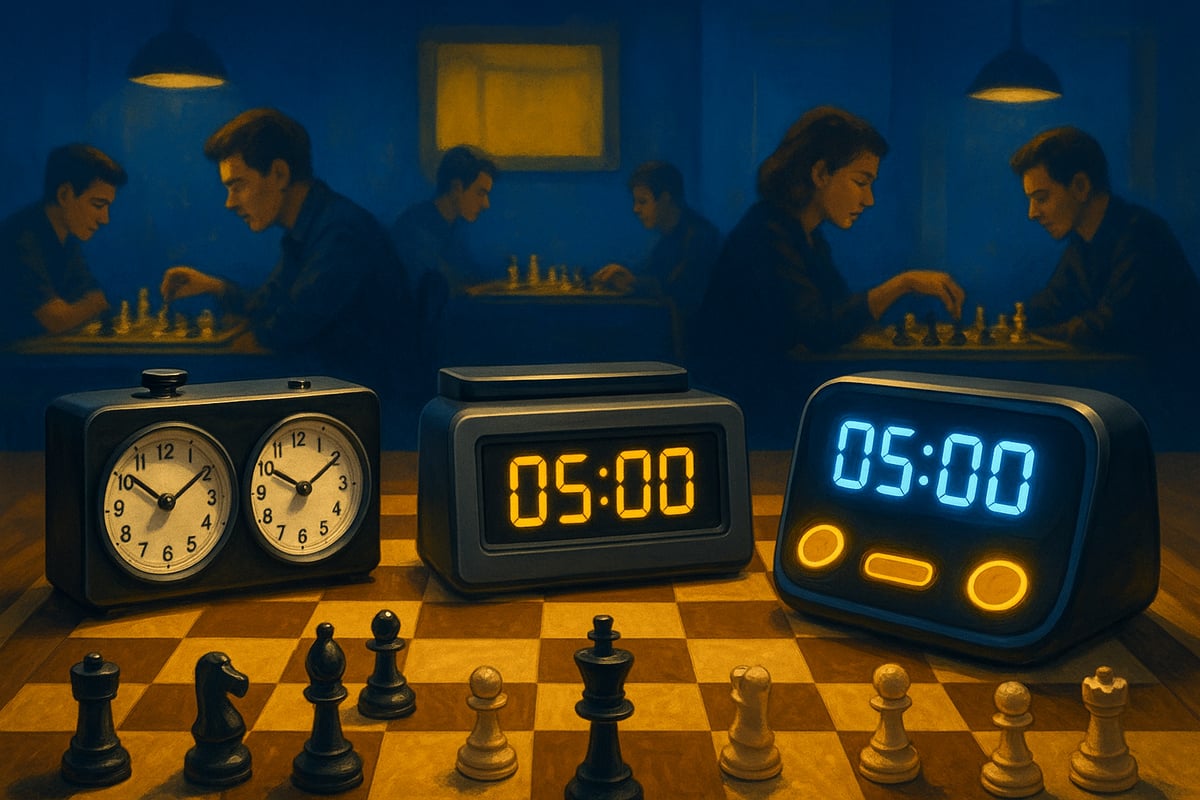
A chess game timer is a device that tracks and limits the time each player has to make their moves. Its main job is to make sure both players get an equal shot, keeping the game moving and preventing anyone from dragging out the play.
Back in the day, players used sandglasses and even mechanical clocks. Analogue timers, with their ticking hands, were the norm for ages. Now, digital timers are everywhere, offering pinpoint accuracy and extra features.
Whether you’re playing for fun or in a tournament, a chess game timer ensures fairness. It’s a big deal because running out of time means you lose, no matter how good your position is.
Every chess game timer has a start and stop button, usually a big paddle or button on top. When you finish your move, you hit your side, starting your opponent’s clock. Some models have analogue dials, while others use digital screens that show time down to the second.
Modern timers offer audible beeps and flashing lights to warn you as time runs low. Features like increments (extra seconds added after each move) and delays (time before your clock starts) are now standard, especially on digital models.
Battery life matters if you’re on the go, and some timers are super portable. For serious play, check if your timer is FIDE approved, as tournaments often require official models.
In 2026, you’ll find three main types: analogue, digital, and smart hybrid timers. Analogue timers are simple, reliable, and don’t need batteries, making them perfect for schools or casual games. Digital timers, like the DGT 1001, 2010, 3000, and DGT2500, offer more precision and features, including programmable settings.
Smart timers can even connect to electronic boards for online or hybrid play. Not sure which suits you? Check out the Chess Clocks and Timers Collection to compare what’s out there and find the right chess game timer for your level and style.
A chess game timer isn’t just about keeping score, it’s a game-changer. If you don’t manage your time, you risk losing by forfeit, even with a winning board. Timers push you to make decisions, sharpening your focus and building your time management skills.
Blitz and rapid formats are exploding in popularity, especially in Australian clubs. Most players now prefer digital timers for their accuracy and flexibility. Playing with a chess game timer also adds psychological pressure—can you stay cool when the clock’s ticking down? Mastering the timer is just as important as mastering your chess moves.
Looking for the best chess game timer in Australia? You’re spoilt for choice these days, with options ranging from classic analogue models to high-tech digital and smart timers. The right chess game timer can transform your matches by keeping things fair and fun, whether you’re playing at home, in a club, or at a tournament.
Let’s break down the most popular brands and models on the Aussie chess scene for 2026, so you can find the perfect fit for your next game.
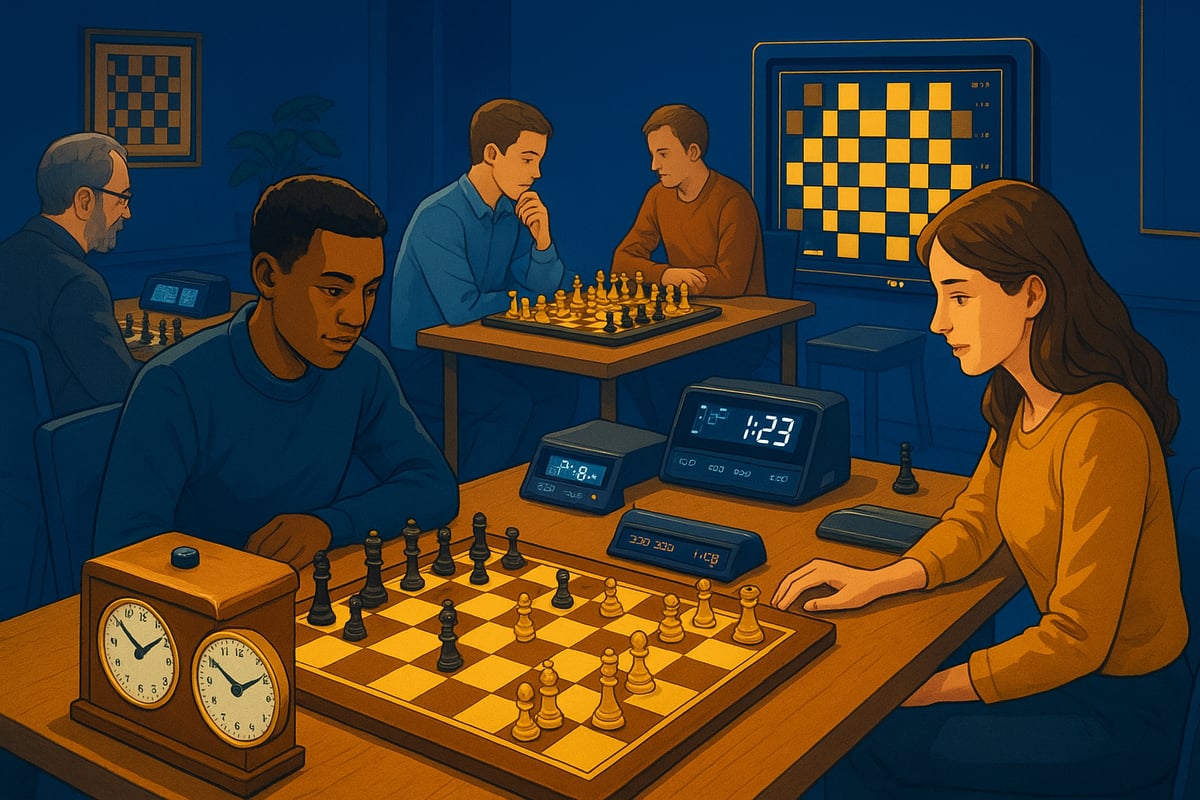
Australia’s chess community is buzzing with reliable brands like DGT and Dal Rossi. DGT dominates the digital space with models like the DGT 1001, 2010, 3000, and 2500. These timers are trusted by clubs and tournament organisers alike for their precision and robust features.
Dal Rossi, meanwhile, is known for beautiful, old-school analogue timers—perfect for those who love a classic look and feel. When picking a chess game timer, Aussies usually look for reliability, ease of use, and good value for money. In 2026, digital models are trending, but there’s still a loyal following for analogue classics.
Analogue chess timers have a timeless charm. They’re simple—just wind them up and you’re ready to go. No batteries, no complicated menus. The tactile click as you press the button is satisfying, and they’re super durable. For casual games, schools, or anyone who enjoys tradition, an analogue chess game timer is a solid choice.
On the flip side, analogue timers don’t support increments or delays, so they’re less precise than digital models. You might miss out on features like move counters or audible alerts. Still, classic wooden analogue timers remain a top pick for casual players and school chess programs across Australia.
If you want more control and flexibility, a digital chess game timer is the way to go. These timers offer increments, delays, and a range of programmable settings. Models like the DGT 1001 are great for beginners, while the DGT 2010, 3000, and 2500 cater to serious club and tournament players.
Digital timers are battery powered and sometimes have a learning curve, but they deliver accuracy and versatility that analogue timers can’t match. They also adapt well for online play, making them ideal for the modern chess landscape.
If you’re aiming for official tournaments, getting a FIDE-approved chess game timer is a must. FIDE sets strict standards for timers used in competitions. Top models like the DGT 2010, DGT 3000, and DGT2500 meet these requirements and are regularly seen at Australian Chess Federation events.
To make sure your timer is suitable, check for FIDE certification. For a closer look at a top-rated, FIDE-approved digital timer, have a peek at the FIDE Approved Chess Clocks page for the DGT 2500—one of the most trusted choices in 2026.
The future of chess game timer tech is all about connectivity. Smart timers, like those that pair with electronic boards, are making waves in Australia. These models can connect via Bluetooth or USB, letting you record games or sync with online platforms.
The DGT Pegasus, for example, integrates seamlessly with smart clocks for hybrid tournaments and online play. In 2026, more players are choosing smart and connected timers to keep up with the evolving chess world, especially as club and online matches blend together.
Mastering your chess game timer isn’t just about pressing buttons—it's about making every second count. If you’re new or just want a refresher, follow this practical, step-by-step guide. We’ll walk you through setup, starting your match, timing strategies, pausing, finishing, and troubleshooting. Let’s get you ready to play your best game in 2026.
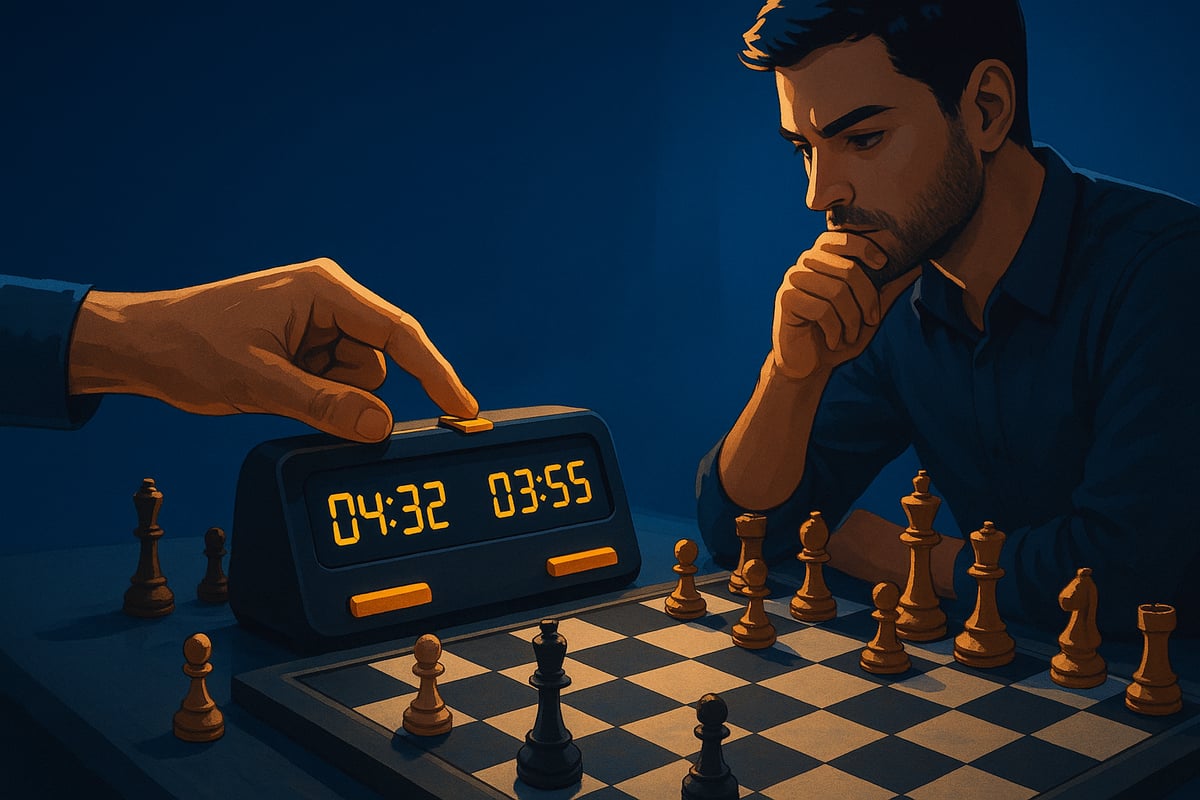
Before you even make your first move, setting up your chess game timer is crucial. Start by deciding on the time control—are you playing blitz, rapid, or a classic match? Most digital timers, like the DGT3000 FIDE Championship Clock, allow you to set increments or delays easily. Place the timer at the centre of the board, usually with White's side on the right. Double-check the settings, especially if you’re playing with increments. For example, programming a DGT3000 for a 10+5 rapid match involves selecting the mode, setting the base time, and confirming the increment. Always test the chess game timer before starting to avoid surprises later.
With your chess game timer set up, it’s time to kick off. In tournaments, White presses the timer to start Black’s clock after their first move. In casual games, agree with your opponent who’ll press first. Always press the button with the same hand you move your piece with, keeping things smooth and fair. Common mistakes include forgetting to press the timer or hitting the wrong side—don’t stress, it happens! Stick to the routine: make your move, press the button, and watch the clock tick. Following proper procedure with your chess game timer ensures both players get their fair share of thinking time.
Time management is half the battle in chess, and your chess game timer is your best friend here. Don’t burn all your time in the opening—spread it across the opening, middlegame, and endgame. Keep an eye on your opponent’s clock as well. If your timer has increments or delays, use them to steady your nerves when the seconds run low. Try to avoid “time trouble” by making quick, confident decisions when you’re ahead, and save deep calculation for critical moments. Learning to use your chess game timer efficiently can really boost your results and help you avoid those last-minute blunders.
Sometimes you’ll need to pause your chess game timer, maybe for a rules dispute or a quick break. Most digital timers have a pause button—press it gently so you don’t accidentally reset the time. If you’re in a tournament, make sure to notify an arbiter before pausing. Adjusting the timer mid-game is usually not allowed unless there’s a technical issue or a setting mistake. Clubs and FIDE events have their own rules, so get familiar with them. If your chess game timer malfunctions, pause the game and sort it out together with your opponent or a supervisor.
When your chess game timer hits zero, it’s game over—at least on the clock! Most digital timers give you a clear visual or audible signal. If a player’s flag falls in blitz or rapid, they lose on time unless their opponent doesn’t have mating material. In case of disputes over time expiry, stop the clock and call for help if you’re at a club or tournament. It’s all about fair play. Remember, in fast-paced games, knowing how your chess game timer signals the end can be as important as the moves on the board.
Even the best chess game timer can have hiccups. Watch out for low battery warnings—always keep spare batteries handy. Analogue timers can get stuck or run slow if they’re not looked after. Digital timers may reset if bumped too hard or if the buttons stick. If your timer glitches, pause the game and try a reset or swap it out if needed. Regularly clean your chess game timer and store it safely to avoid dust and grime. Little bits of maintenance can save big headaches during an important match.
Understanding chess time controls is essential if you want to get the most out of your chess game timer. The right settings keep games fair, exciting, and suited to your skill level. Let’s break down the main types and how to pick what works best for you.
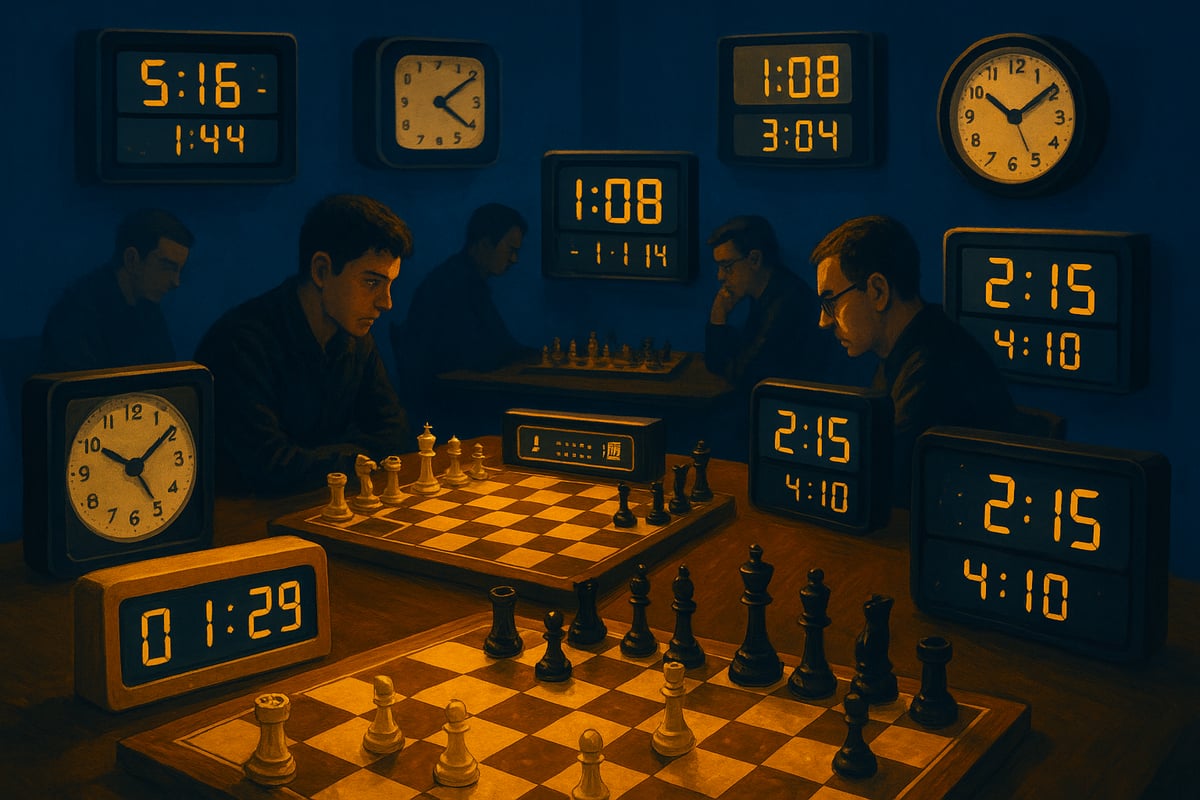
There are four main types of time controls you’ll see on a chess game timer: classical, rapid, blitz, and bullet. Each has its own pace and vibe. Classical games, like 90+30 (ninety minutes plus thirty seconds per move), are standard in big tournaments. Rapid games usually give each player 10 to 30 minutes. Blitz is even faster, with 3 to 5 minutes per player, while bullet is the most frantic, often just one minute per side.
FIDE’s official standards set the timing for major events. For the nitty-gritty on what’s allowed, the FIDE Technical Commission standards detail exactly how each chess game timer should be set for sanctioned play. In Australia, most clubs stick to these formats, but you’ll see a mix depending on the event.
When you use a digital chess game timer, you’ll often see “increment” or “delay” options. Increment, also called Fischer increment, adds a set number of seconds (like 10 or 30) after every move. This means you always get a little extra time, which really helps in long, intense endgames.
Delay, or Bronstein delay, waits a few seconds before your main clock even starts ticking on each turn. You don’t gain extra time, but you get a grace period to make a quick move without losing seconds. In 2026, increments are more popular in tournaments because they’re fairer and easier to manage on a chess game timer. For example, the DGT 2010 is famous for its flexible increment settings.
Not every player or club needs the same chess game timer settings. Beginners and schools often use shorter formats or simple controls, like 15 minutes per player without increments. This keeps things moving and helps kids focus on learning. Clubs and tournaments in Australia lean towards rapid or blitz with increments for a balanced challenge.
If you’re training, try setting up your chess game timer with custom controls. For example, use 5+5 (five minutes plus five seconds per move) for practice games, or 25+10 for more serious sessions. The key is to match the settings to your goals and experience. That way, you’ll build both speed and confidence.
With online chess booming, your chess game timer needs to keep up. Many digital timers now sync with online platforms or electronic boards. Hybrid tournaments are common in 2026, combining in-person play with online broadcasts and move tracking.
Some smart timers, like the DGT Pegasus, integrate seamlessly with online chess, making it easy to switch between digital and traditional formats. If you’re playing both online and over-the-board, set your chess game timer to match the online controls. This helps you stay sharp and ready for any format, whether it’s a club night or a big online match.
Mastering the chess game timer is just as important as knowing your openings or endgame tactics. If you want to take your chess to the next level in 2026, it's time to focus on clock strategy. Let's break down practical tips and mindsets to help you thrive under pressure, outplay your opponents, and make every second count.
Good time management starts with a clear plan for each phase of the game. With a chess game timer, you need to think about dividing your time wisely.
In the opening, don't burn your minutes on well-known lines. Save your deeper thinking for the middlegame, where unexpected positions can eat up your clock. As you reach the endgame, aim to keep a buffer so you don't panic under time pressure.
Here’s a quick checklist for time allocation:
Getting comfortable with your chess game timer lets you stick to this plan and avoid last-minute chaos.
The ticking of a chess game timer can rattle even experienced players. Staying calm is your secret weapon. Take a deep breath before each move and focus on the position, not just the countdown.
Remember, your opponent feels the same pressure. Try to use the timer as motivation, not a source of stress. In official events, such as those using DGT clocks, players often mention the psychological edge that comes from handling the clock confidently. The FIDE and DGT partnership renewal shows just how much top tournaments value reliable, high-pressure timing.
Practise with your chess game timer at home so the nerves fade away when it matters most.
Spotting when your opponent is in time trouble is a huge advantage. Watch their body language and the ticking chess game timer—if they start moving faster or fidgeting, they're probably feeling the heat.
When you sense this, play moves that force your opponent to think. Complicated positions or tricky tactics can lead to mistakes if they're short on time. In fast-paced blitz games, this strategy often flips the result in your favour.
A well-used chess game timer turns time pressure into a weapon, not just a challenge.
The best way to get faster is by making the chess game timer part of your regular training. Set up practice games with different time controls, like blitz or rapid, and challenge yourself to make decisions quickly.
Try these training drills:
Consistency is key—use your chess game timer every session, and you'll see progress.
After each game, don't just review your moves—look at how you used your chess game timer. Did you spend too long in the opening? Did you rush in the endgame?
Many modern timers, like the DGT2500, record your time usage, making it easier to spot patterns. Create a table like this to track your habits:
| Phase | Time Spent | Mistakes Made |
|---|---|---|
| Opening | 10 min | 1 |
| Middlegame | 25 min | 2 |
| Endgame | 5 min | 0 |
By analysing your chess game timer data, you can fine-tune your strategy and become a more efficient player.
Picking the right chess game timer can be a game changer, whether you’re playing at home, in a club, or eyeing up your next tournament. Let’s break down what you need to know so you’ll feel confident, not confused, when it’s time to choose.
When shopping for a chess game timer, think about your budget, how often you’ll use it, and where you plan to play. Analogue timers are sturdy and simple, but digital models offer more precise settings and features like increments or delays. For tournament play, check if the timer is FIDE approved, as this is a must for official events.
Portability matters too, especially if you travel for chess. Battery life is important for digital models, so look for options that won’t leave you hanging mid-game. If you’re curious about pricing and want to stretch your dollar, check out this handy guide on Understanding Chess Clock Prices to compare what’s out there.
Australia has plenty of great chess game timer choices. Here’s a quick look at some crowd favourites:
| Model | Type | Features | Price Range | FIDE Approved |
|---|---|---|---|---|
| DGT 1001 | Digital | Basic, easy setup | $ | No |
| DGT 2010 | Digital | Increments, delay | $$ | Yes |
| DGT 3000 | Digital | Advanced, e-board sync | $$$ | Yes |
| DGT2500 | Digital | FIDE, high precision | $$$ | Yes |
| Dal Rossi | Analogue | Classic, no batteries | $-$$ | No |
The DGT2500 Official FIDE Chess Clock stands out for serious competitors wanting the latest features and full FIDE approval. Read user reviews and ask around at your local club to see which model fits your style best.
You can grab a chess game timer from specialty chess shops, online retailers, or even some general game stores. Puzzles and Games and other dedicated chess outlets carry a wide range, often with expert advice on hand.
Online shopping gives you access to more models and sometimes better prices, but check for warranty and support options first. Make sure spare parts and batteries are easy to find, especially for digital timers.
Keep your chess game timer in top shape with a few simple habits:
A little care goes a long way and will help your timer last for years.
If your chess game timer starts acting up, like random resets, sticky buttons, or fading displays, it might be time for an upgrade. Newer models offer better battery life, more features, and improved durability.
Upgrading is also smart if you’re moving into more serious play, especially where FIDE approval is required. Some shops offer trade-in deals or recycling programs for old timers. Investing in a quality timer now can save you headaches down the track and let you focus on your best moves.
Leave a comment