

Call Us:
(03) 7037 0931
M-F 9am to 5pm

Chess is making a real comeback, and with it, more people want a chess wall board that looks great and works well. Whether you’re a teacher, club organiser, or just want a cool piece for your home, there are loads of choices out there.
But picking the right chess wall board isn’t always simple. There are so many options, and it’s easy to get overwhelmed.
That’s why we’ve put together this step-by-step guide. We’ll walk you through all the types, features, and tips so you can find the perfect board for your space.
You’ll learn how to match boards to your needs, install them, and keep them looking sharp. Let’s dive in and make your chess wall board decision a breeze.
There’s never been a better time to explore the world of chess wall board options. Whether you’re decking out a classroom, club, or living room, knowing the types and uses can make all the difference. Let’s break down what’s out there and how each chess wall board fits different needs.
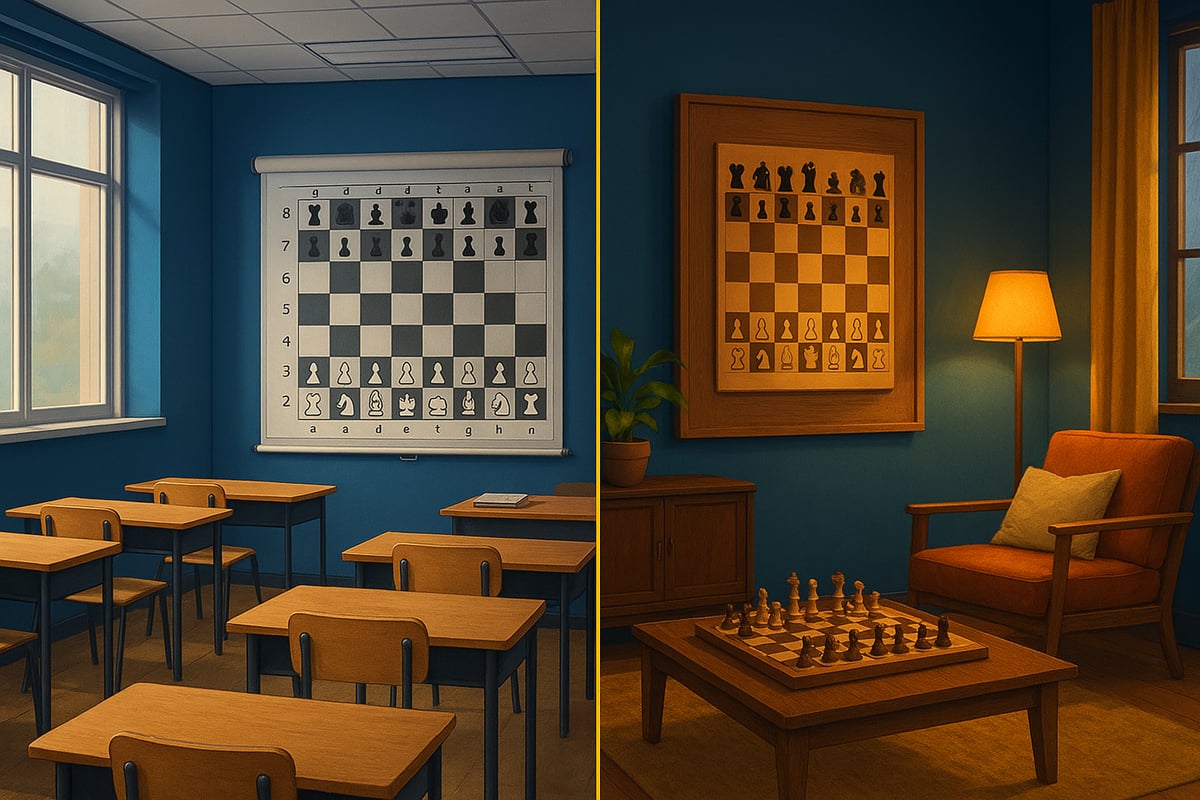
The chess wall board comes in a few key varieties, each with a unique vibe and purpose. The most popular for teaching and clubs are roll-up vinyl demo boards. These are lightweight, easy to hang, and perfect for group lessons. You’ll spot them in sizes like 28, 27, or 36 inches, making them visible even from the back row.
Slot-in style boards are another favourite, especially where quick piece changes are needed during lessons or analysis. They keep the pieces snug and make set-up a breeze.
For something more premium, wooden vertical wall-mounted boards are a top pick. These boards double as décor, adding a touch of class to homes and executive settings.
Not all chess wall board designs are created equal. Demonstration boards are built for classrooms, clubs, and tournaments. They’re big, bold, and designed for visibility, making it easy for a crowd to follow along.
Decorative boards, on the other hand, are all about style. These are often crafted from wood, sometimes hand-painted, and meant to blend with your interior design. They turn the chess wall board into a statement piece, not just a teaching tool.
Some boards even come with collapsible tripods, letting you move them around for flexible display. Whether you need a board that’s easy to set up for a lesson or one that impresses guests, there’s a chess wall board to match.
When it comes to materials, most chess wall board options fall into three categories: vinyl, plastic, or wood. Vinyl boards are lightweight and portable, great for frequent use in clubs or schools. Plastic boards are sturdy and budget-friendly, often chosen for their resilience.
Wooden boards are the premium choice, offering elegance and durability, but they’re heavier and may need more care. Sizes range from 24 to 36 inches, with larger boards better for group instruction.
Here’s a quick comparison:
| Material | Pros | Cons | Typical Use |
|---|---|---|---|
| Vinyl | Light, portable | Can wrinkle | Clubs, schools |
| Plastic | Durable, cheap | Less premium look | Schools, events |
| Wood | Elegant, sturdy | Heavier, pricier | Home, office décor |
If you want to compare different styles and materials side by side, check out this Chess boards collection overview.
Some boards even offer custom paint jobs or unique themes, turning the chess wall board into functional art.
The chess wall board shines in a variety of settings. Here are some of the most common uses:
Collectors and enthusiasts might seek out hand-painted or themed boards, while clubs lean toward boards that are durable and easy to set up. No matter your purpose, there’s a chess wall board designed to fit your needs and space.
Shopping for a chess wall board in 2026? With so many options, it can be tricky to know where to start. The right choice comes down to balancing durability, style, usability, and price. Let's break down the key features you'll want to consider before picking out your new chess wall board.

First up, think about what your chess wall board is made from. Vinyl boards are lightweight and super portable, making them a top pick for clubs and classrooms. They're easy to roll up and stash away, though heavy use can cause some wrinkling over time. Plastic boards are tough and affordable, perfect for schools that need something sturdy without breaking the bank.
Wooden chess wall boards, on the other hand, are in a league of their own. They're heavier and need a bit more care, but they ooze elegance and can last for years if treated well. If you're after something that doubles as a statement piece, you might want to check out wood chess boards for décor for inspiration.
Here's a quick material comparison:
| Material | Pros | Cons |
|---|---|---|
| Vinyl | Portable, light | Can wrinkle, less premium |
| Plastic | Durable, cheap | Not as stylish |
| Wood | Elegant, long-lasting | Heavy, needs care |
Size really does matter when it comes to a chess wall board. If you're running lessons for a big group, you'll want a board that's at least 36 inches wide. That way, everyone can see the action, even from the back of the room. For smaller groups or home use, a 28-inch board usually does the trick.
Don't forget about the size of the squares and pieces. Most club boards have squares between 2.5 and 4 inches, with kings about 3.75 inches tall. This makes it easier for everyone to follow along, especially in busy classrooms. Picking the right size ensures your chess wall board is practical for your space and audience.
The way you move pieces on your chess wall board can make a big difference. Slot-in style pieces are a hit for teaching—they slide in and out quickly, so it's easy to show new moves. Magnetic pieces are great for keeping everything in place, especially if your board gets bumped a lot.
Traditional style pieces look classic but might not be as easy to swap in a hurry. It's also worth checking if replacement pieces are easy to find, just in case a pawn or two goes missing. Having a user-friendly piece system means your chess wall board will stay fun and frustration-free.
How and where you set up your chess wall board matters, too. Some boards hang with simple hooks or brackets, while others come with collapsible tripods. If you need to move your board around, like between classrooms or club spaces, a portable option is a lifesaver.
For home or office setups, a fixed mount might be best for a clean, polished look. Just make sure you measure your wall space first, so your chess wall board fits perfectly and is easy for everyone to see.
Your chess wall board doesn't have to be boring. These days, you can find boards in all sorts of colours, finishes, and themes. Hand-painted and custom boards are especially popular for collectors or anyone wanting to show off their personality.
Whether you want a board that matches your club's colours or a unique medieval-themed design, there's a chess wall board out there for you. Decorative touches can turn your board into a real conversation starter, making it just as much a piece of art as a game.
Let's talk dollars and sense. Chess wall boards range from about $35 for basic vinyl models up to $250 or more for handcrafted wooden versions. Schools and clubs might lean towards more affordable, practical choices, while collectors and homeowners might be happy to invest in something special.
Think about the long-term value, too. Spending a bit more upfront on a durable chess wall board could save you from needing a replacement down the track. Keep an eye out for sales or bundled deals to snag the best value.
When you weigh up all these features, you'll be well on your way to finding a chess wall board that's perfect for your needs and style.
So, you’re ready to pick out a chess wall board but not sure where to start? Don’t worry, we’ll walk through it together. Here’s a step-by-step guide to help you find the perfect fit for your needs, space, and style. Let’s break it down and make this decision easy.
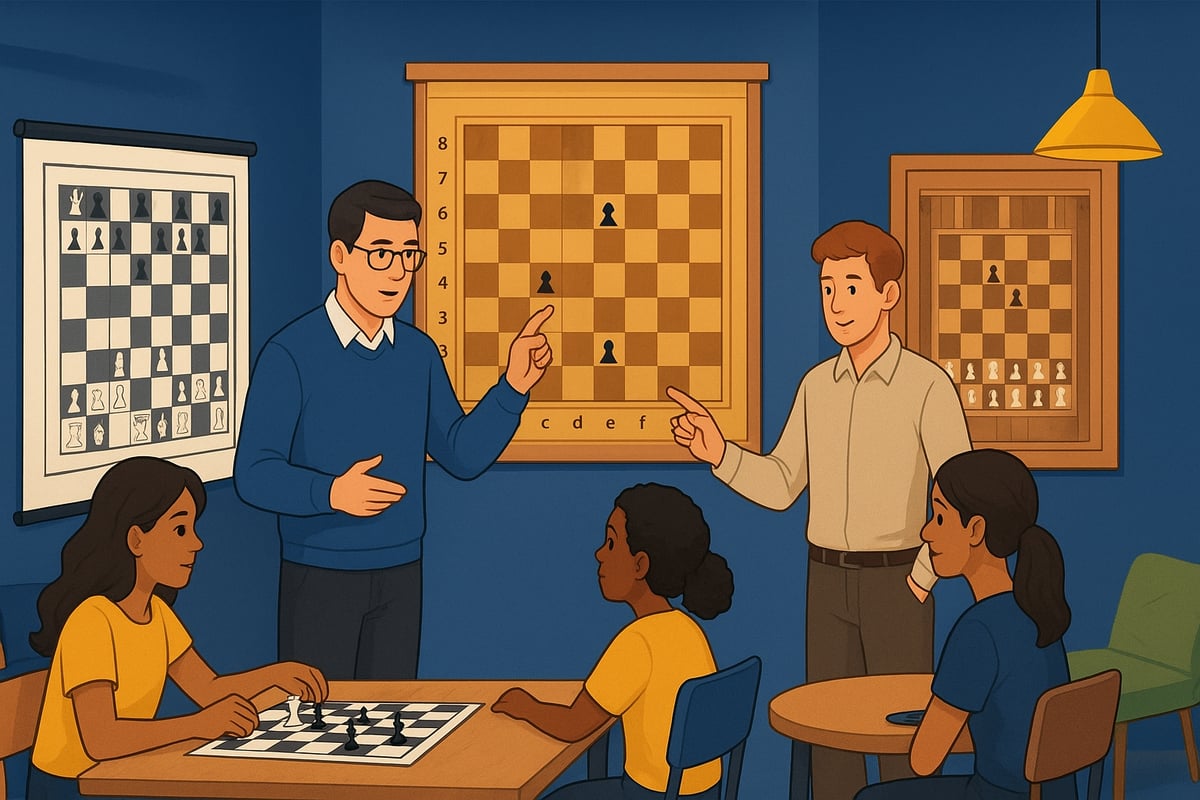
First things first, why do you need a chess wall board? Are you teaching a classroom full of eager students, running a club, sprucing up your lounge room, or hosting tournaments?
Think about who’s going to use the chess wall board and where it’ll be displayed. For big group lessons, a large demo board is a must. If it’s for your home, you might want something more decorative. Are your viewers kids, adults, or a mix? This will guide your choice right from the start.
Let’s say you’re a school teacher with 30 students. That calls for a big, visible demo board. If you’re a collector, maybe you want a hand-painted wooden chess wall board that doubles as art. Knowing your purpose sets the tone for every other decision.
Let’s talk dollars. Chess wall boards come in a wide price range, so knowing your budget helps narrow things down quickly.
If you’re shopping for a school or club, you’ll probably want something sturdy but affordable. Vinyl and plastic boards are usually top picks here. On the other hand, if you’re after a real showpiece for your home, you might be happy to invest in a handcrafted wooden chess wall board.
Ask yourself: is this a one-time purchase or will you need to replace or upgrade later? Sometimes spending a bit more upfront means you won’t need a new chess wall board every year.
Now, let’s chat materials. The three main options for a chess wall board are vinyl, plastic, and wood. Each has its perks.
Here’s a quick comparison:
| Material | Pros | Cons |
|---|---|---|
| Vinyl | Lightweight, portable, affordable | Can wrinkle, less “premium” look |
| Plastic | Durable, easy to clean, great for schools | Not as elegant, may fade |
| Wood | Elegant, long-lasting, looks amazing | Heavier, needs more care, pricier |
Think about where your chess wall board will live. If it’s in a sunroom, wood might fade. If you’re carting it between club meetings, vinyl wins for portability. Consider your environment and how much wear and tear the board will see.
Size matters—especially if you want everyone to see the chess wall board clearly. Measure your wall and consider how many people will be viewing the board at once.
Quick tip: For groups over 24, a 36-inch board is best. Smaller rooms or classes might only need a 28-inch board.
Check the square size and king height too. Most club boards have squares around 2.5 to 4 inches and a king standing about 3.75 inches tall. This ensures the chess wall board is easy to follow from the back row. If you’re not sure what size fits your needs, you can check out this helpful Frequently asked chess board questions page for more info.
How are you planning to display your chess wall board? Will it stay put on your lounge wall, or do you need to move it around?
There are a few mounting options:
If you’re in a shared space, portability is key. For homes or offices, a fixed installation looks sleek. Always check your wall type (gyprock, brick, etc.) and make sure your chess wall board comes with the right mounting gear.
Let’s talk chess pieces. Some boards use slot-in pieces, others are magnetic, and some stick to the traditional style. Slot-in pieces make it super easy to set up positions quickly, especially during lessons. Magnetic pieces are great for keeping everything in place.
Ask if replacement pieces are easy to find. There’s nothing worse than losing a pawn and not being able to replace it. If you plan on heavy use, a chess wall board with simple piece replacement is a smart pick.
If you want your chess wall board to be a real conversation starter, consider customisation. Hand-painted boards, unique colours, or even boards with your club’s logo can add a personal touch.
Wooden boards come in all kinds of finishes, from classic walnut to bold colours. Vinyl boards can sometimes be customised too. Think about your décor or club identity and choose a chess wall board that fits right in.
Collectors might go for a medieval or mythology-themed board. Clubs may want their branding front and centre. A little customisation goes a long way in making your chess wall board special.
Before you buy, check the fine print. Does your chess wall board come with a warranty? Is customer support easy to reach if you need help or spare parts?
Look for suppliers with a good reputation and clear return policies. Make sure you can easily order replacement pieces or accessories if needed. Availability matters too—no one likes waiting months for their new chess wall board to arrive.
A little research now means fewer headaches later. Choose a supplier who stands behind their products, so your chess wall board journey is smooth from start to finish.
Thinking about hanging your new chess wall board? Getting the setup right from the start makes all the difference, whether you’re kitting out a classroom, club, or your favourite reading nook at home. Let’s break down the best ways to install and care for your chess wall board so you can enjoy years of hassle-free play and display.

Mounting your chess wall board securely is crucial for both safety and visibility. Start by picking a wall that’s free from direct sunlight and glare, as this helps prevent fading and makes it easier for everyone to see the board from anywhere in the room.
There are several mounting options:
Before drilling, check for pipes or wires behind the wall. For brick, use masonry plugs, while for gyprock, wall anchors are your best bet. Always use a level to make sure your chess wall board sits straight.
Want a step-by-step walkthrough? Here’s a comprehensive guide to mounting a wall chessboard that covers everything from choosing hardware to ensuring safety.
If you’re working with a tripod, set it up in a spot where it won’t get bumped, and make sure the board is at eye level for the best viewing experience.
A chess wall board will last longer if you give it a little TLC. For vinyl or plastic boards, a soft, damp cloth wipes away dust and fingerprints easily. Avoid harsh chemicals, as they can break down the surface over time.
If you’ve chosen a wooden chess wall board, dust it regularly with a dry cloth. For deeper cleaning, use a slightly damp cloth, but always dry it afterwards to prevent moisture damage. Keep wooden boards out of direct sunlight and away from heaters to avoid warping or fading.
Store replacement pieces in a small container nearby so you’re never caught short during a lesson or game. Every so often, check the board and pieces for chips, cracks, or missing parts. Replacing worn or broken pieces quickly will keep your chess wall board looking sharp and ready for action.
Looking after your chess wall board isn’t just about cleaning; it’s about protecting your investment. Regular maintenance can extend the lifespan of your board dramatically. Vinyl boards, with heavy use in schools or clubs, often last three to five years if cleaned and stored properly. Wooden boards, when kept out of harsh environments and cleaned gently, can last for decades.
Here’s a quick table to summarise:
| Material | Typical Lifespan | Maintenance Tips |
|---|---|---|
| Vinyl | 3–5 years | Wipe with damp cloth, avoid folding sharply |
| Plastic | 5+ years | Gentle cleaning, store flat |
| Wood | Decades | Dust, avoid moisture, keep away from sun |
Give your chess wall board a regular once-over, and it’ll be ready for every tournament, lesson, or lounge room challenge for years to come.
Choosing the right chess wall board is all about matching it to your space and how you'll use it. Not every board is created equal, and what works in a bustling school might not suit a stylish home or a collector's display. Let's break down the best options for every setting and audience, so you can find a chess wall board that's truly spot on.
When you're picking a chess wall board for a school or club, durability and visibility are top priorities. Vinyl or plastic demo boards are the usual go-to because they can handle daily use and are easy to clean. Large boards, like a 36 inch roll up demo, are perfect for group lessons since everyone can see the pieces clearly from across the room.
For mounting and keeping things organised, check out handy chess accessories and mounting solutions that make setup a breeze.
If you're after a chess wall board that doubles as art, wooden vertical boards are a real showstopper. These aren't just for playing, they're conversation starters that look amazing in lounges or executive offices. Choose a board with a finish and style that matches your décor, from minimalist to classic.
Curious about how these boards can elevate your space? Have a peek at vertical chess boards as functional art for inspiration.
Tournaments and events call for chess wall boards that are portable and quick to set up. Roll up vinyl boards and tripod mounted options are super handy for moving between rooms or venues. Slot in style boards make it easy to reset games between rounds.
A chess wall board designed for events should be sturdy enough to handle lots of hands, but still easy to pack up at the end of the day.
Collectors and chess lovers often want a chess wall board that's unique or tells a story. Limited edition, hand painted, or themed boards are popular picks. These boards might feature medieval, mythological, or even modern art styles.
A chess wall board in this category is as much about aesthetics as it is about function, so don't be afraid to invest in something truly special.
It's important to make chess accessible for everyone. Some chess wall boards are designed specifically for players with visual impairments or mobility challenges.
When choosing a chess wall board for accessibility needs, focus on clarity, ease of use, and durability. Everyone should be able to join in and enjoy the game without barriers.
Choosing where to buy your chess wall board can feel a bit overwhelming with so many options out there in 2026. Let's break it down together and make sure you get the best value, support, and style for your needs.
When hunting for the right chess wall board, start with well-known online retailers. Specialist chess shops like Chess House or Aussie Chess Supplies usually offer a wide range, from simple demo boards to artisan wooden ones. Big marketplaces like eBay Australia are great for deals and rare finds.
If you want to brush up on the basics before buying, check out this Chessboard Overview for more background on design and materials.
Here’s a quick comparison:
| Retailer Type | Pros | Cons |
|---|---|---|
| Specialist Chess Shops | Expert advice, quality boards, support | Can be pricier, limited stock |
| Marketplaces | Wide selection, rare items, deals | Varying quality, less support |
Before you click “buy,” take a moment to check seller ratings and reviews. Trusted retailers usually show thousands of positive reviews and back their products with solid after-sales support. If a chess wall board seller offers easy access to replacement pieces or fast help with issues, that’s a big plus.
Look out for stores with a reputation for quick responses and clear communication. It’ll save you headaches if anything goes wrong.
Who doesn’t love a bargain? Keep an eye out for seasonal sales like Cyber Week or end-of-financial-year specials. Sometimes sellers bundle accessories with your chess wall board or throw in free shipping, which can save you a decent chunk.
Sign up for newsletters from specialist chess shops for early access to deals. On marketplaces, use watchlists to track boards and get notified when prices drop.
If you’re after something unique, try searching for custom or hand-painted chess wall board options. Artisans often list their creations on platforms like eBay, offering medieval, mythology, or themed boards that transform any space.
Ask sellers about customisation—some will create a board to match your home or club colours. These boards can be great conversation starters and personal keepsakes.
Deciding between local and overseas sellers? Local shops usually mean faster delivery and easier returns. International sellers might offer more variety or exclusive designs but can come with higher shipping fees and longer waits for your chess wall board.
Here’s a quick tip: factor in possible import duties or taxes before you buy. Always check shipping insurance for peace of mind if your board is travelling a long way.
A good warranty can make all the difference. Look for sellers that clearly outline their return and warranty policies before you purchase your chess wall board. If you’re going for a wooden board, it’s worth learning about care and maintenance—this guide on Caring for Your Wooden Chess Board is a handy read.
If anything arrives damaged or incomplete, contact the seller right away. Reputable shops will sort things out quickly.
Before you commit, run through this checklist:
Ticking these boxes helps you buy with confidence and ensures your chess wall board will be a highlight in any setting.
Leave a comment