

Call Us:
(03) 7037 0931
M-F 9am to 5pm

Are you overwhelmed by the choices in the booming electronic chess board market? You’re not alone. In 2026, electronic chess boards are more popular than ever, blending classic gameplay with cutting-edge tech.
From smart connectivity to AI rivals, these boards offer features that suit beginners, club players, and advanced enthusiasts alike. Imagine training, playing online, and analysing games seamlessly on a single device.
This guide gives you everything you need to pick the right electronic chess board. We’ll cover board types, must-have features, connectivity, user experience, top brands, and expert buying tips. Ready to make your move? Read on.
Ever wondered what makes an electronic chess board different from the classic wooden set you grew up with? These smart boards have taken the chess world by storm, blending tradition with cutting-edge tech. Whether you're just getting started or already a chess fanatic, understanding how these boards work will help you unlock their full potential.
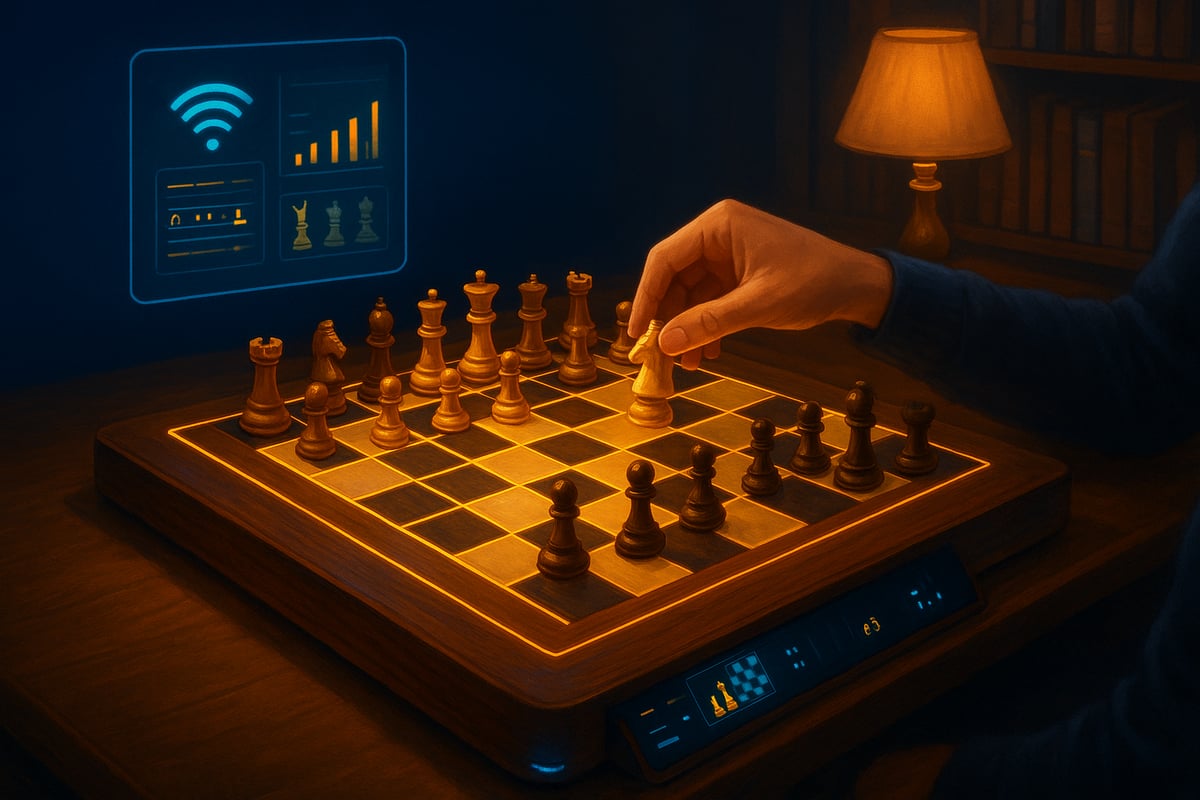
An electronic chess board is a game-changing upgrade from the old-school chess set. It combines the tactile feel of physical pieces with digital brains underneath. What sets it apart from a regular board is its built-in sensors and digital interface that track every move you make.
These boards have come a long way since the first models popped up, now offering slick designs and smarter features. From solo training to battling friends online, there's an electronic chess board for every situation. Take the DGT Pegasus and Millennium Supreme Tournament 55, for example—both are favourites among players who want reliable performance and tech-savvy play.
Demand for electronic chess boards has exploded, with brands constantly adding new features to keep up with player expectations. If you're curious to see the variety out there, check out this Electronic Chess Boards Collection for a peek at the latest models.
So, how does an electronic chess board actually keep track of your every move? Most modern boards use clever sensor tech—like magnetic, RFID, or even pressure sensors—to recognise where each piece is on the board. This means every move you make is logged accurately, which is a game-changer if you're keen on reviewing or analysing your games later.
Many boards link up with chess engines and software, letting you play against tough AI opponents or analyse your matches to spot mistakes. They usually connect via Bluetooth, Wi-Fi, or USB, making it super easy to play online or export your games. Some boards, like the Square Off Pro, even feature automated piece movement, so the board moves the pieces for you during online play.
Display options vary: some boards have built-in screens, while others use app-based interfaces on your phone or tablet. Most electronic chess boards now support both online and offline play, so you're covered whether you want to train solo or challenge someone across the globe.
Using an electronic chess board comes with some serious perks. For starters, these boards record every move with pinpoint accuracy, saving your games for easy review later. Whether you're a beginner or a seasoned club player, you get real-time feedback and analysis to help you improve faster.
Playing online feels much more tactile and satisfying compared to tapping on a screen. Training features like hints and adjustable difficulty make learning fun and accessible, while advanced analysis tools are perfect for serious study. Clubs, tournaments, and home players all love the convenience these boards offer.
Models like the Millennium Chess Genius Pro shine with features like game-saving and a clear display. No wonder adoption is rising among schools and clubs, as more people realise how much an electronic chess board can boost their chess experience.
Choosing the right electronic chess board can feel like navigating a maze, especially with all the options out there in 2026. To make things simple, let's break down the essential features you’ll want to look for. Whether you’re a casual player or a club regular, these factors will help you zero in on the perfect match for your chess journey.

When it comes to an electronic chess board, piece recognition is the backbone of the whole experience. Boards use different tech like RFID chips, magnets, or optical sensors to tell which piece is where and if you’ve made a move.
Accurate move detection means your games are recorded without errors, which is crucial for analysing your play later. Models like the DGT Pegasus Electronic Chess Set are well-known for seamless, reliable play. For both casual and competitive players, having a board that tracks every move precisely makes a world of difference.
If you’re worried about misreads or missed moves, look for boards with DGT-enabled pieces or similar advanced systems. According to competitor reviews, piece recognition is one of the top things buyers consider before picking an electronic chess board.
In 2026, an electronic chess board is more than just a board – it’s your gateway to a global chess community. Bluetooth and Wi-Fi features let you connect to your phone, tablet, or PC, so you can play online on platforms like Chess.com or Lichess.
USB ports are handy for exporting games or connecting to chess software. Boards like the Millennium eONE make it easy to jump between online matches and solo training. If you want to play remote tournaments or challenge friends across the world, strong connectivity is a must.
Competitor sites often sort their electronic chess board offerings by connectivity, so keep an eye out for models that work with your favourite platforms.
The user interface can make or break your experience with an electronic chess board. Some boards have built-in colour screens, while others use app-based interfaces on your phone or tablet.
LED indicators on the board can show you where to move or signal errors, which is great for kids and beginners. Tactile feedback and easy navigation also go a long way for accessibility. The Chess Genius Pro, for example, features a bright colour display that’s easy to read for all ages.
Most users prefer an intuitive interface that doesn’t get in the way of playing. If you’re shopping for an electronic chess board, test out the controls if you can, or check user reviews for insights on ease of use.
Nobody wants their electronic chess board to quit mid-game. Boards come with either rechargeable batteries or mains power options. Typical battery life can range from a few hours to over 20 hours of play, depending on the model.
Charging is usually done via USB-C or a brand-specific adapter. If you plan to travel or play at clubs, a lightweight, battery-powered board is ideal. Competitors often highlight travel-friendly models for their convenience and long battery life.
Check comparison tables on retailer sites to see how different electronic chess board models stack up in terms of power and charging options.
An electronic chess board should feel solid and last for years. You’ll see boards made from premium wood, durable plastic, or sometimes a mix of both. Wooden boards look stunning and are popular with collectors, while plastic models are tough and great for kids or heavy use.
Consider the size and weight if you plan to carry your board around. Premium editions offer a luxury feel, while compact models are perfect for travel. Competitor reviews put a big emphasis on robust construction, especially for advanced electronic chess board setups used in clubs and schools.
Not all electronic chess board features are created equal – some are built for beginners, others for pros. If you’re just starting out, look for hint systems, built-in tutorials, and adjustable difficulty levels. Advanced players will appreciate engine integration, deep analysis, and tournament modes.
Some boards support multiple users, making them great for families or school clubs. Millennium, for example, has a range that caters to everyone from seniors to competitive players. Competitor sites often break down their electronic chess board ranges by skill level, so you can easily find a model that fits your needs.
Choosing the right electronic chess board can feel a bit like picking your first car—there are so many models, each with its own perks. Let’s break down the main types you’ll find in 2026, so you can match your board to your style, skill, and lifestyle. Whether you want to play offline, connect with friends online, travel light, or even watch a robot play for you, there’s an option out there.

Standalone electronic chess computers are perfect if you want a plug-and-play experience. These models come with built-in AI, so you don’t need a phone or laptop to get started. Just turn it on and play. The DGT Centaur Chess Computer is a crowd favourite, offering a natural feel and adaptive AI that caters to all skill levels. Millennium Chess Genius Pro is another reliable pick. These boards suit anyone who prefers offline play, seniors who want simplicity, or anyone who just wants to focus on the game without extra gadgets. You get portability, a tactile experience, and no distractions.
If you love blending tech and chess, app-connected smart boards might be your thing. These electronic chess board models sync with your smartphone, tablet, or PC using Bluetooth or Wi-Fi. You can play against friends online, dive into analysis, or access huge game databases. DGT Pegasus and Millennium eONE are top choices here. They’re ideal for players who want to connect with global opponents, use advanced training tools, or keep their games stored in the cloud. With constant updates and integration with platforms like Chess.com and Lichess, you’ll never be short of a challenge.
Hybrid and premium tournament boards give you the best of both worlds. They work as standalone units but also let you connect for live games, broadcasts, or training sessions. These electronic chess board options often use premium materials like wood and come in larger sizes, making them perfect for clubs, tournaments, or collectors. The Millennium Supreme Tournament 55 is a standout, offering advanced features like auto-saving games and tournament compatibility. Demand for hybrid boards is rising, especially among serious players and clubs wanting a professional look and feel.
For those always on the go, travel and compact electronic chess board models are a lifesaver. They’re lightweight, battery-powered, and built for portability. While they might not have every bell and whistle, they’re perfect for students, school clubs, or anyone who wants to play during a commute. Many brands offer robust, easy-to-carry designs that still deliver solid performance. Competitors highlight these as the top pick for those who want to bring their chess habit anywhere, anytime.
If you want to experience the future right now, check out AI robot electronic chess board options. These feature robotic arms or magnetic systems that move pieces for you, creating a real wow factor. Square Off Pro is a popular example, letting you watch the board play back moves or challenge an AI opponent in a truly interactive way. While still a niche, interest in these boards is growing fast among tech lovers and anyone who enjoys showing off the latest gadget.
Choosing the right electronic chess board can feel like a big decision, but if you break it down into simple steps, it gets much easier. Let’s walk through the process together so you can confidently pick the perfect board for your needs.

Start by asking yourself, “How will I use my electronic chess board most of the time?” Are you planning solo training, online play, club tournaments, or just some fun family games?
Think about who’ll be playing. Is it for a young beginner, a seasoned club player, or maybe a mix of all ages? Clubs and tournaments often need a tournament-size electronic chess board, while schools usually go for something tough and easy to maintain.
Write down your main goals. This will help narrow your choices and make sure your new board fits your lifestyle perfectly.
Electronic chess board prices can range from affordable entry-level models to premium boards that feel like a work of art. What’s your budget? Knowing this keeps you focused and prevents overspending.
Here’s a quick table to help compare:
| Model Type | Price Range (AUD) | Typical Features |
|---|---|---|
| Entry-Level | $150–$350 | Basic connectivity, plastic build |
| Mid-Range | $350–$900 | More features, wood or hybrid build |
| Premium | $900+ | Tournament size, luxury materials |
Features like high-quality materials, advanced AI, and premium connectivity options drive up the price. Demand for these boards is rising, as shown by recent Global Chess Market Growth Projections.
Pick a price range, then list your must-have features, so you get the best value for your money.
Connectivity is a big deal when choosing an electronic chess board. Do you want to play online against friends, connect to platforms like Chess.com or Lichess, or just save your games for later analysis?
Check if the board supports Bluetooth, Wi-Fi, or USB connections. Some boards have their own apps, while others work with third-party software. Compatibility with your devices and favourite platforms is key for a smooth experience.
If you want to future-proof your investment, look for models that offer software updates and can connect to new platforms as they emerge. That way, your electronic chess board stays relevant for years.
Accurate move detection is at the heart of every great electronic chess board. Boards use different technologies like RFID, magnets, or sensors to track each move.
Think about what feels most natural. Do you want visible LED indicators on the board, a built-in screen, or would you rather use an app interface? For some, tactile feedback and clear displays make a huge difference, especially during fast-paced games.
A friendly, intuitive user interface means less time fiddling with settings and more time enjoying chess. Try to test the board in person if you can, or watch demo videos before you buy.
Material choice can really change your experience with an electronic chess board. Wooden boards look stunning and feel traditional, while plastic or hybrid boards are often lighter and tougher.
Consider where you’ll use the board most. Will you travel with it, set it up at home, or bring it to club nights? Size and weight matter, especially if you’re on the go.
Premium boards often come in larger sizes and use top-notch materials, but compact models are perfect for travel or students. Balance looks, durability, and practicality to suit your lifestyle.
Before you hit “buy,” check what kind of warranty comes with your electronic chess board. Good customer support makes a huge difference if you need replacement parts or run into tech issues.
See if the manufacturer offers regular software updates. This keeps your board up-to-date with new features and bug fixes. Some brands even let you replace lost pieces easily, which is a big plus for club or school use.
Lastly, check reviews and customer ratings for peace of mind. A bit of research here can save you a lot of headaches later, making sure your investment in an electronic chess board is a smart one.
Choosing the right electronic chess board can be a game changer, and knowing the top brands will help you make a confident pick. The market in 2026 is filled with innovation and quality, so let’s break down the best options and what makes each one stand out.
DGT is the gold standard when it comes to electronic chess board technology, especially for clubs and tournament play. Their boards, like the DGT Pegasus and DGT-enabled pieces, are known for reliability and precision. These boards are used in international competitions, so you know you’re getting pro-level quality.
What sets DGT apart is their seamless integration with online platforms and chess engines, making them a favourite for anyone who wants both in-person and online play. Their electronic chess board models offer sturdy build quality, accurate move detection, and future-proof software updates. If you’re serious about chess, DGT is hard to beat.
Millennium has something for everyone, from absolute beginners to advanced players looking for a luxury experience. Their electronic chess board lineup includes the Millennium Chess Genius Pro and the Supreme Tournament 55, both celebrated for robust construction and ease of use.
Millennium boards shine with their mix of standalone and connected play. For example, the Millennium eONE lets you play online or offline, making it incredibly versatile. The brand is also known for excellent customer support, so if you want a dependable electronic chess board that grows with your skills, Millennium is a solid choice.
Square Off is the brand for tech lovers and anyone who wants a futuristic experience. Their electronic chess board, Square Off Pro, features robotic piece movement, letting you watch the pieces glide across the board as if by magic. This board is popular for its interactive AI and unique training modes.
The tactile feel combined with smart features means you get a hands-on experience even when playing online opponents. Square Off’s electronic chess board models are perfect for those who want to blend classic chess with the latest technology. It’s a real conversation starter at any club or home.
ChessUp is making waves with its intuitive touch-sensor boards and real-time coaching features. These electronic chess board innovations are ideal for learners and families, offering instant visual feedback and easy-to-understand tutorials. The user-friendly interface makes it accessible for all ages.
Other emerging brands are pushing boundaries too, like the Chessnut Evo, which is being called the electronic chessboard of the future for its advanced AI and connectivity features. You can learn more about this exciting launch here: Chessnut Evo Launch Announcement. With so many fresh options, now’s a fantastic time to explore what a modern electronic chess board can do.
| Brand | Flagship Model | Best For |
|---|---|---|
| DGT | Pegasus | Tournaments, Clubs |
| Millennium | Chess Genius Pro, eONE | All-round, Versatility |
| Square Off | Pro | Tech Lovers, Training |
| ChessUp | ChessUp Board | Learners, Families |
| Chessnut | Evo | AI, Online Play |
Whichever electronic chess board you choose, these brands have proven themselves in 2026 as leaders in innovation, reliability, and user satisfaction. Take your time exploring each to find the perfect fit for your chess journey.
Choosing the right electronic chess board is just the first step. To get the most out of your investment, it's important to buy from the right place, care for your board, keep it updated, add useful accessories, and avoid common mistakes.
When shopping for an electronic chess board, always choose trusted sources. Official brand websites are a safe bet, and specialty chess stores often offer expert advice. Major online retailers like ChessHouse or House of Staunton are also great options, especially if they’re authorised dealers.
Buying from reputable places means you get proper warranty coverage and genuine products. Some stores even throw in perks like free shipping or bonus accessories. If you’re buying locally, check for in-store demos to try before you buy. Always read reviews and make sure after-sales support is available for your electronic chess board.
If you want your electronic chess board to last, a little maintenance goes a long way. Wipe down surfaces regularly with a soft, dry cloth to keep dust and fingerprints away. For wooden boards, avoid harsh cleaners and keep them out of direct sunlight.
Battery care is another biggie. Don’t leave your board plugged in all the time, and store it in a cool, dry place when not in use. If you’re travelling, pack your board snugly to prevent any bumps or scratches. Many brands offer easy replacement pieces, making it simple to fix minor mishaps and extend your electronic chess board’s lifespan.
Like any smart device, an electronic chess board gets better with regular software updates. These updates can add new features, improve compatibility, or fix bugs that crop up over time. Most brands send alerts through their apps or websites when updates are available.
Updating is usually as simple as connecting your board to Wi-Fi or plugging it into your computer. Millennium and DGT are known for providing ongoing updates, so you’re never left behind. Staying current ensures your electronic chess board stays compatible with new devices and platforms, and you get the best playing experience possible.
Accessories can make your electronic chess board setup even better. Consider a carry bag for safe transport, spare pieces for peace of mind, or a stylish chess clock to keep your games on track. Bundles and combo deals often help you save money and get everything you need in one go.
For those looking to elevate their play, check out Chess Clocks and Accessories for a range of clocks that pair perfectly with your electronic chess board. Investing in the right extras means you’ll enjoy every game, whether you’re at home, in a club, or on the go.
It’s easy to get caught out when buying an electronic chess board if you’re not careful. Always double-check compatibility with your favourite platforms and devices before you buy. Watch for hidden costs, like shipping fees or import duties, which can sneak up on you.
Make sure there’s reliable after-sales support and spare parts available. Reading competitor advice and warranty details can save you headaches down the track. A little homework before you buy will help you avoid disappointment and keep your electronic chess board experience smooth and enjoyable.
Leave a comment