

Call Us:
(03) 7037 0931
M-F 9am to 5pm

Ever wondered why the lewis chess pieces still spark curiosity all over the world? These ancient chessmen aren’t just game pieces—they’re shrouded in mystery and have fascinated historians, collectors, and chess players for centuries.
In this guide, we’ll dig into their medieval roots, explore what makes their designs so unique, and see how they’ve shaped chess culture through the ages. Whether you’re a history buff, a chess enthusiast, or just love a good mystery, you’ll find fresh insights and surprising details.
Curious about what’s next for these legendary artefacts as 2026 approaches? Stick around as we unravel the story and secrets behind the lewis chess pieces.
The story of the lewis chess pieces starts with a twist of fate on a remote Scottish island. These remarkable artefacts were hidden for centuries, only to be uncovered in a way that still captures imaginations around the globe. Their story is packed with mystery, drama, and a bit of luck, making the lewis chess pieces a true legend in the world of chess history.
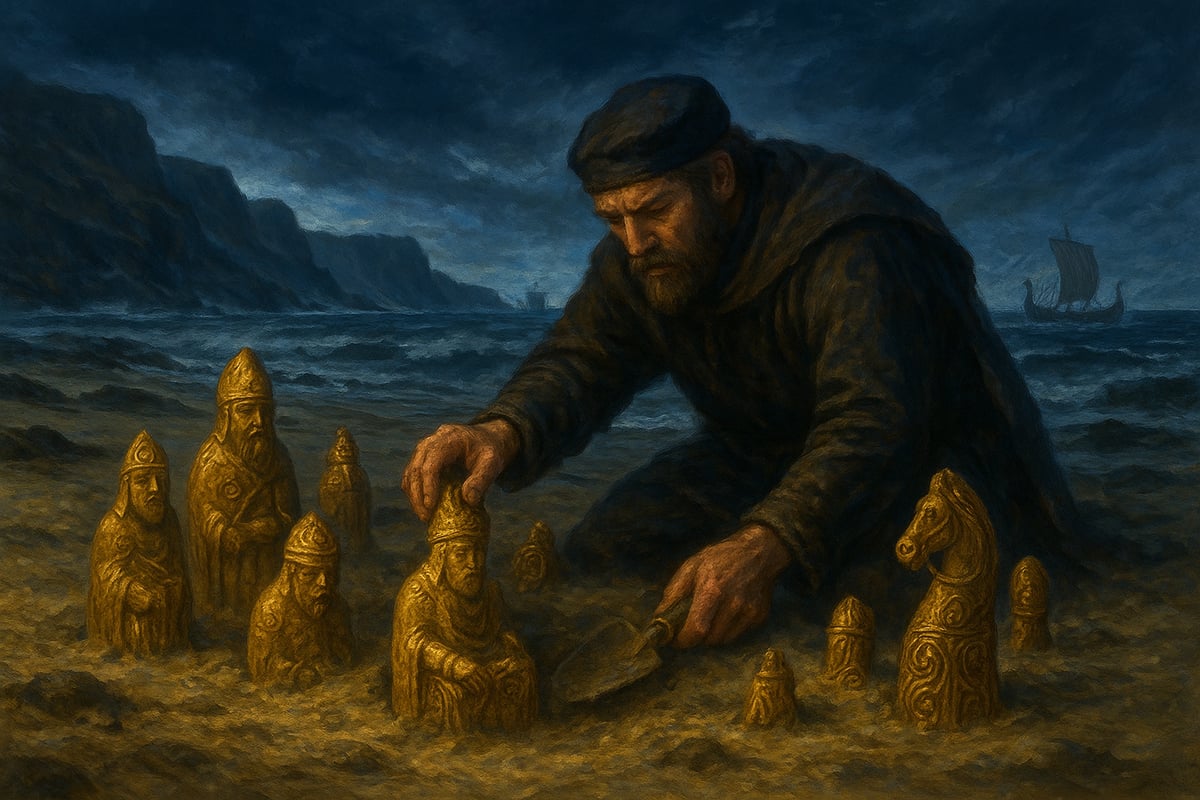
Back in 1831, the lewis chess pieces were stumbled upon by a local on the Isle of Lewis, tucked away in the windswept Outer Hebrides of Scotland. The discovery was pure chance, reportedly made by a crofter who spotted a strange object poking out of the sand at Uig Bay. What he found turned out to be a hoard of 93 artefacts, including 78 intricately carved chessmen and 15 other gaming pieces, all hidden in a stone chamber a short way from the shore.
The news spread quickly, and both locals and scholars were instantly fascinated. Early reports described the lewis chess pieces as both beautiful and mysterious, sparking debates and wild theories about their origins. The find stood out because nothing quite like it had been uncovered in Britain before. While there have been other medieval chess set discoveries in Europe, such as those in Scandinavia, none matched the scale, artistry, or preservation of the lewis chess pieces.
Here's a quick comparison:
| Find Location | Year Found | Number of Pieces | Material |
|---|---|---|---|
| Isle of Lewis | 1831 | 93 | Walrus ivory, whale tooth |
| Lund, Sweden | 1847 | 20+ | Bone, ivory |
| Trondheim, Norway | 1900s | 15+ | Bone, ivory |
The lewis chess pieces quickly became a sensation, drawing crowds and sparking a wave of interest in medieval history and Norse culture.
Experts believe the lewis chess pieces were crafted between the late 12th and early 13th centuries, a time when Norse influence was strong in Scotland and the surrounding islands. Most historians agree they were made either in Norway or in a Norse-ruled part of Scotland, possibly by skilled craftsmen in Trondheim. The materials used, mainly walrus ivory and some whale tooth, were rare and highly prized in medieval Europe, hinting at the wealth and status of whoever commissioned the set.
The design of the lewis chess pieces is a fascinating blend of Norse, Viking, and broader European medieval styles. You can see influences in the detailed carvings, expressive faces, and elaborate costumes. The way each piece is shaped reflects the social order of the time, with kings and queens towering over bishops, knights, and pawns. This social hierarchy is clear in the way the pieces are sized and decorated.
Scholars have long debated the exact origins of the lewis chess pieces. Some point to stylistic details that match known Norwegian works, while others argue for a Scottish link based on archaeological context. There's still no absolute consensus, which adds to the enduring mystery and allure of the lewis chess pieces.
Once unearthed, the lewis chess pieces began a journey that would see them split between two of the UK's most prestigious museums. Today, 82 pieces are housed at the British Museum in London, while the National Museum of Scotland in Edinburgh holds 11. This division has become a story in itself, with many calling for the pieces to be reunited or loaned for special exhibitions.
Over the years, the lewis chess pieces have been shown in major exhibitions worldwide, featured in films and documentaries, and even inspired blockbuster movies. Their public displays have shaped how we see medieval history, especially Norse and Scottish culture. Visitors to these museums often cite the lewis chess pieces as a highlight of their trip, and their presence has boosted tourism to both the Isle of Lewis and the museums themselves.
For a deep dive into the full story, from their discovery to their current home, check out the Lewis Chessmen on Wikipedia.
The journey of the lewis chess pieces continues to spark new interest, connect people to the past, and inspire fresh research and debate.
If you've ever seen the lewis chess pieces up close, you know they're more than just game pieces. These medieval treasures are full of quirky details, deep symbolism, and stories carved into every wrinkle and fold. Let's break down what makes them so unique, from their artistic flair to the legends they've inspired.
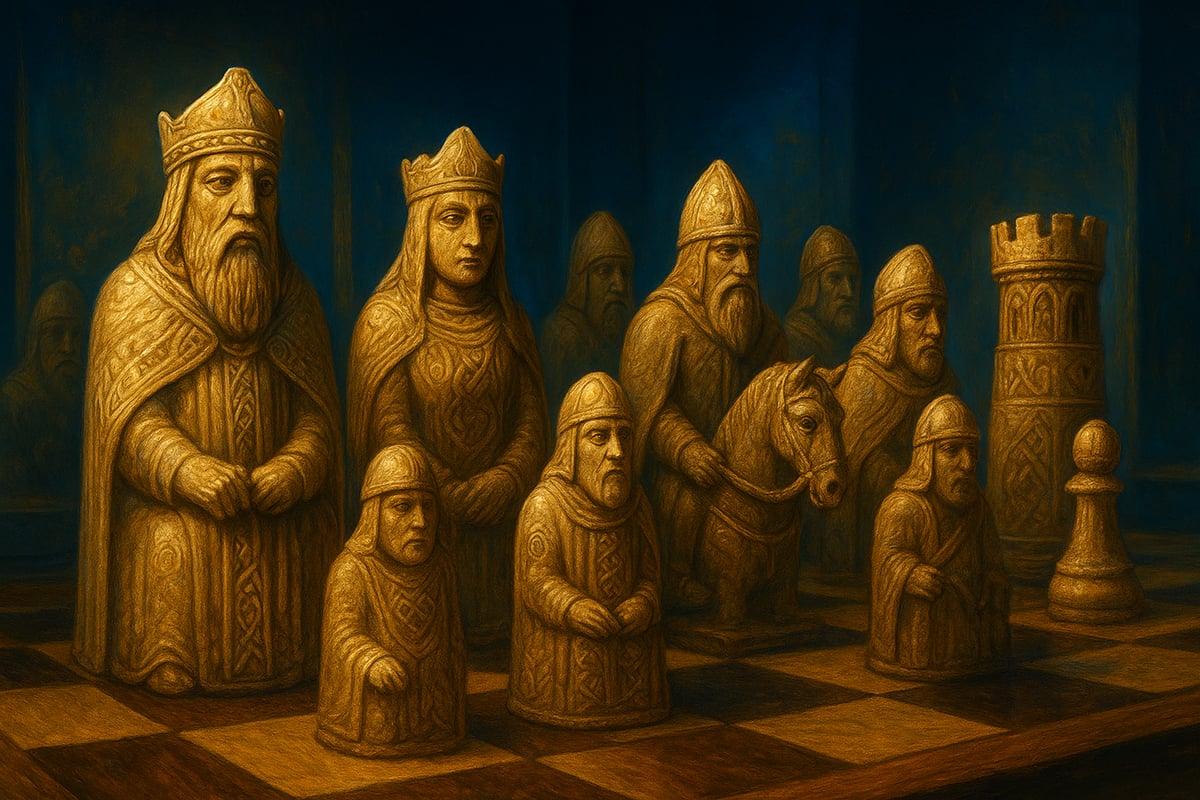
The lewis chess pieces are famous for their expressive faces and individual personalities. Each set includes kings, queens, bishops, knights, rooks, and pawns, all carved from walrus ivory and whale tooth. The craftsmanship is mind-blowing for the 12th century. Just picture a king with a solemn, almost worried expression, or a queen resting her cheek in thought.
Here's a quick table showing some key features:
| Piece | Notable Features | Symbolism |
|---|---|---|
| King | Crown, sword, seated pose | Authority, rule |
| Queen | Hand on face, detailed robe | Wisdom, emotion |
| Bishop | Mitre, crozier, cross | Church power |
| Knight | Horse, armour, sword | Nobility, warfare |
| Rook | Standing, biting shield | Berserker spirit |
| Pawn | Simple, stoic, squat | Common folk |
The bishops are particularly interesting, as their design hints at the growing influence of the church in medieval life. The rooks, depicted as wild-eyed warriors biting their shields, really stand out compared to modern sets. And the pawns? They're simple, almost humble, a nod to everyday people.
What sets the lewis chess pieces apart is the attention to detail. You can spot intricate patterns in the robes, weapons, and even the backs. In fact, the recent Redisplay of Lewis Chessmen at National Museum of Scotland lets visitors admire carvings that were hidden for centuries. It’s a rare chance to see just how much effort went into every angle.
Compared to other medieval chess sets, the lewis chess pieces are chunkier, more animated, and full of personality. No wonder they’ve become icons in both art and chess circles.
The lewis chess pieces are like a snapshot of Norse society, frozen in ivory. Every detail tells us something about the world they came from. For starters, the set reflects a strict social hierarchy. Kings and queens sit at the top, while pawns represent the masses at the bottom.
The queens are especially fascinating. Unlike the passive queens in many other sets, these are full of feeling—some look pensive, even stressed. Historians think this could symbolise the real power and responsibility queens held in Norse and Scottish courts.
Bishops are another standout. Their presence shows how the church was becoming a key player in politics and everyday life. The knights, with their swords and horses, channel the spirit of Viking warriors, while the rooks, those fierce shield-biters, might reference legendary berserkers.
The pawns, carved plainly, speak volumes about the value of ordinary people. The whole setup mirrors the medieval worldview, where everyone had a role, and status was obvious. Art critics and historians keep debating whether the lewis chess pieces were made for royalty, clergy, or wealthy merchants, but most agree they’re packed with meaning.
Some even say the emotional expressions and postures are metaphors for strategy and conflict. The set is more than a game—it’s a medieval drama in miniature.
The lewis chess pieces have left a massive mark on the way chess sets look today. Their bold shapes, expressive faces, and quirky details have inspired countless artists and designers. Walk into any chess shop and you'll probably spot a replica or two.
Collectors love lewis chess pieces reproductions, and museums often use them in educational programs. Their style pops up in pop culture, too—think movies, TV shows, and even video games. The set’s influence can be seen in everything from high-end designer sets to affordable themed collections.
Some modern brands and artists have put their own spin on the lewis chess pieces, blending old-world charm with new materials and creative twists. These sets are popular for their historical vibe and unique look.
The lewis chess pieces have also sparked new interest in medieval and Norse heritage. Schools use them to teach about history and social structure, while chess fans appreciate their blend of art and strategy. Whether you’re a serious collector or just a casual player, it’s hard not to be drawn in by their charm.
The lewis chess pieces have captured imaginations far beyond the chessboard. Their mysterious origins and quirky designs make them a favourite in stories, films, and even modern collections. Let's see how these medieval icons have found a second life in pop culture, collector circles, and as symbols of heritage.
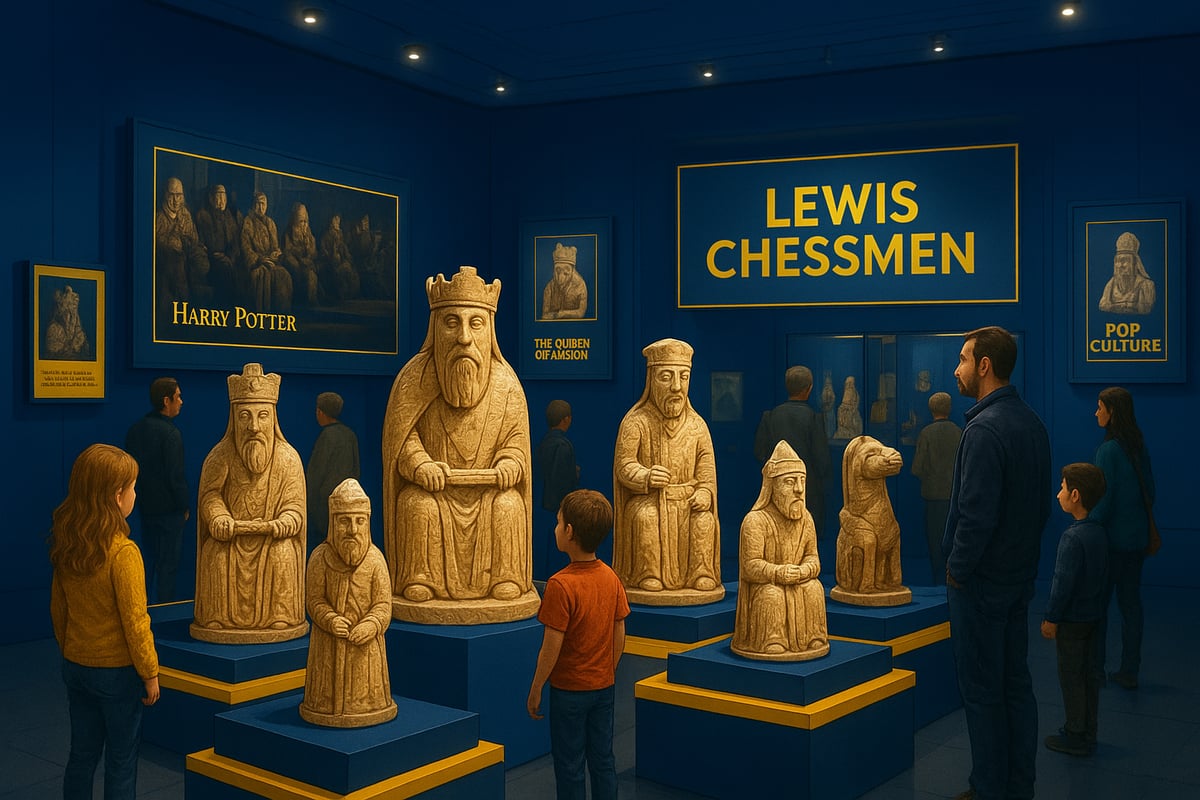
The lewis chess pieces have popped up in some pretty unexpected places. One of their most famous cameos is in the Harry Potter series, where their ancient look inspired the magical chess set in "Harry Potter and the Philosopher's Stone." Their expressive faces and dramatic poses make them perfect for fantasy stories and historical dramas.
Writers and filmmakers love using the lewis chess pieces as symbols of strategy, mystery, or even magic. You might spot them in novels that explore medieval intrigue or in documentaries about lost treasures. Their detailed carvings have influenced set designers and artists who want to bring a touch of the Norse world to their work.
If you're curious about their real-world influence, the The Game of Kings Exhibition at The Met brought over thirty of these pieces together, highlighting their starring role in both art and storytelling. This exhibition drew fans from around the globe, proving just how captivating the lewis chess pieces remain.
It's no surprise that the lewis chess pieces are a hot item for collectors. Authentic reproductions, often made from resin or even hand-carved ivory alternatives, let fans own a slice of history. You'll find everything from museum-quality replicas to playful, affordable sets for casual players.
There are some big differences between official museum reproductions and commercial products. The official sets aim to capture every quirky detail, while some budget versions take creative liberties with colours or proportions. Occasionally, an original piece surfaces at auction, drawing huge attention and high bids from collectors.
Whether you're a serious chess buff or just love the look, owning a set of lewis chess pieces is like holding a piece of the past. They spark conversations and look fantastic on display, making them a must-have for many enthusiasts.
The lewis chess pieces have become more than just game pieces, they're icons of Scottish and Norse heritage. Museums in Edinburgh and London proudly feature them, drawing thousands of visitors each year. Locally, the Isle of Lewis sees history buffs and chess fans flocking to learn about the discovery that put their island on the map.
These chessmen have inspired local crafts, from jewellery to wood carvings, and even feature in festivals celebrating the region's Viking roots. Shops around Scotland sell souvenirs based on their designs, keeping the legend alive for new generations.
Events and special exhibitions often revolve around the lewis chess pieces, offering workshops and family-friendly activities. All this buzz means the chessmen continue to play a starring role in tourism and cultural pride, making them a living link to the medieval world.
What makes the lewis chess pieces more than just ancient game pieces? Their story goes beyond the board, offering us a rare lens into the world of medieval Europe. Let’s dig into what makes these chessmen so significant, what they symbolise, and why they still puzzle and inspire us today.
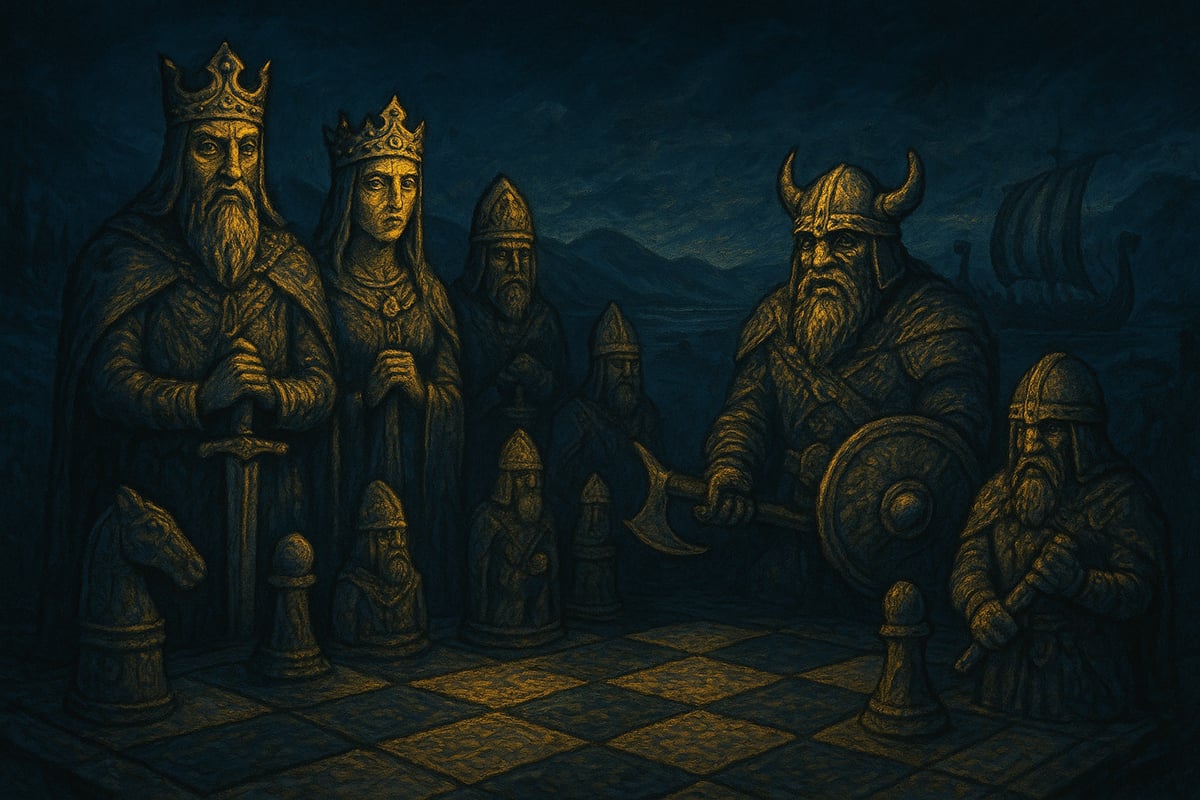
The lewis chess pieces aren’t just relics, they’re like time capsules. Discovered on the windswept Isle of Lewis, these chessmen give us a glimpse into the medieval Norse world. Historians reckon they were crafted in the late 12th or early 13th century, a period buzzing with trade between Scandinavia and the British Isles.
What makes them stand out is how much they reveal about everyday life back then. The chess pieces, carved from walrus ivory and whale tooth, show off the wealth and connections of their owners. Only the well-off could afford such luxury items, suggesting the set belonged to someone of high status.
Researchers have pored over the lewis chess pieces, comparing them with other finds from across Europe. Their detailed design hints at a society where art, warfare, and religion all mixed together. Academic studies often highlight these chessmen as proof of how ideas and goods travelled in medieval times.
There’s a lot to unpack in the faces and poses of the lewis chess pieces. Each figure isn’t just a game token, it’s a little sculpture loaded with meaning. Take the queens, for example. Their worried, almost anxious expressions have sparked debates among scholars. Some say it’s a rare glimpse of medieval ideas about female power and emotion.
The bishops are another standout. Their presence on the board is one of the earliest signs of the church’s growing influence in chess. Knights and rooks, with their Viking-style helmets and swords, nod to the era’s warrior culture. Even the pawns, plain as they are, tell us about the social layers of the time.
These interpretations have inspired many themed chess sets, like the Dal Rossi Good and Evil Chessmen, which play with the idea of symbolism and storytelling through design. The lewis chess pieces remind us that games can be metaphors for battles, politics, and even good versus evil. Their legacy pops up in discussions about authority, gender roles, and identity in art history circles.
Despite all the research, the lewis chess pieces are still wrapped in mystery. Who actually carved them? Was it one master artisan or a group working together? And how did the whole set end up buried on a remote Scottish beach?
There are competing theories about their journey. Some experts think they were lost by a merchant en route to Ireland or Scotland. Others suggest they were hidden during a time of unrest. Scholars keep debating whether the original set was even complete when it was found.
Recent years have brought new discoveries and tech, like 3D scanning and digital modelling, to the study of these pieces. Special exhibitions, such as the one described in the Lewis Chessmen Exhibition Opens in Edinburgh, keep the public fascinated and spark fresh research. The enduring allure of the lewis chess pieces means there’s always more to learn, and their story is far from finished.
We're heading into an exciting era for the lewis chess pieces, with fresh discoveries, high-tech research, and new exhibitions on the horizon. Whether you're a collector, history buff, or casual chess fan, there's a lot to look forward to in 2026.
Cutting-edge research into the lewis chess pieces is revealing secrets that have been hidden for centuries. Scientists are using advanced imaging, like 3D scanning and digital modelling, to study every groove and detail. This tech helps experts trace the origins of the ivory, confirm the age of the pieces, and even recreate missing fragments virtually.
Virtual reality displays are popping up in leading museums, letting visitors "handle" digital versions of the chessmen and see how they might have looked when new. Universities and museums are teaming up to share findings, bringing together historians, archaeologists, and computer scientists. This cross-discipline approach is pushing our understanding of the lewis chess pieces to new heights.
If you're keen to see the lewis chess pieces in person, 2026 is shaping up to be a big year. Special exhibitions are being planned by the British Museum and the National Museum of Scotland, celebrating anniversaries and showcasing the chessmen alongside interactive displays.
Look out for community events, lectures, and family workshops linked to these exhibitions. There are whispers of pop-up displays on the Isle of Lewis itself, aiming to bring the pieces "home" for a limited time. Conferences for historians and collectors are also in the works, making it easier than ever to get closer to the lewis chess pieces story.
Here's a quick look at what's coming:
| Event Type | Location | Date |
|---|---|---|
| Anniversary Exhibit | British Museum | Spring 2026 |
| Community Workshops | Isle of Lewis | Summer 2026 |
| Academic Conference | Edinburgh | Autumn 2026 |
Interest in the lewis chess pieces has sparked a surge in replica sets and collectibles. Collectors are seeking out authentic reproductions, complete with intricate details and high-quality materials. Limited edition runs and collaborations with artists are making headlines, with some sets selling out fast.
Sales data shows a steady rise in demand for medieval-themed chessmen. For those who love both history and craftsmanship, the Dal Rossi Medieval Warriors Chess Pieces offer a modern take inspired by the same era as the lewis chess pieces. Auctions and specialty shops sometimes feature rare or artist-signed sets, drawing attention from global collectors keen to own a piece of chess history.
Museums and schools are using the lewis chess pieces as a springboard for learning. They're popping up in history lessons, art classes, and even digital literacy programs. Students are encouraged to explore medieval society, Norse culture, and the evolution of games through hands-on activities and digital resources.
Outreach programs are reaching new audiences, especially families and young chess fans. Community projects, like carving workshops and storytelling sessions, are bringing the history of the lewis chess pieces to life. Partnerships with heritage groups are helping to promote Scottish and Norse culture, making the chessmen more than just museum pieces.
Looking ahead, the future of the lewis chess pieces is brighter than ever. Researchers are hopeful that further scientific analysis will unlock more secrets about their origins and makers. There are ongoing discussions about reuniting the sets for special exhibitions, giving fans a rare chance to see the chessmen together.
Expect to see new digital experiences, from interactive museum apps to virtual tours, making the lewis chess pieces accessible to people around the world. Their influence on chess, art, and pop culture will only grow, inspiring new generations to discover their story. Whether you're a seasoned collector or just curious, the journey of the lewis chess pieces is far from over.
Leave a comment