

Call Us:
(03) 7037 0931
M-F 9am to 5pm

Chess is more than just a pastime, it's a true battle of minds, and everything kicks off with the right setup for chess board. You might be surprised how many people—beginners and even experienced players—forget how vital a proper board arrangement really is.
Getting the setup right isn't just about looks, it's about fair play, clear strategy, and showing up like a pro. With this guide, you'll walk through every detail, from the basics of board orientation to the finer points that can make or break your game.
Ready to level up? You'll learn the precise steps and expert insights for a flawless chess board setup in 2026. We'll cover orientation, piece placement, common mistakes, the latest trends, and essential tips for both tournaments and casual matches.
Getting the setup for chess board right is your first step toward an enjoyable and fair game. Whether you’re playing casually or prepping for a tournament, knowing the basics of board layout makes a big difference. Let’s break down the essentials so you can set up with confidence.
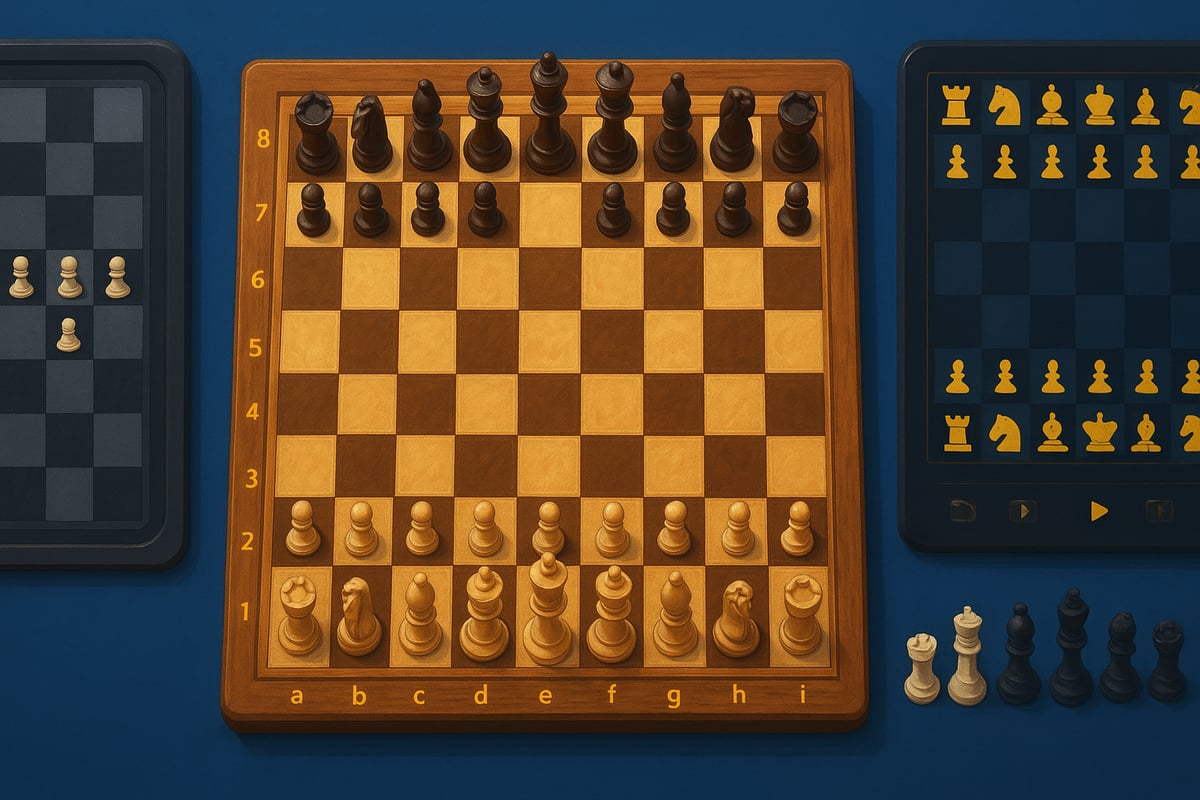
When you think about the setup for chess board, start by picturing a standard 8x8 grid. That’s 64 squares, with alternating light and dark colours. Official boards, like those used in the FIDE World Chess Championship, follow strict size rules. Each square should be about 5 to 6 cm wide, making the whole board roughly 40 to 48 cm on each side.
Materials vary a lot. You’ll find classic wood, durable vinyl, and affordable plastic. Each material changes how the pieces move and feel. Wood boards look classy and are popular in clubs, while vinyl is easy to carry. Colour matters too, so always check you have the correct pattern before you begin.
For those wanting to go deep or play like the pros, check out the FIDE Standards of Chess Equipment, which lays out the exact board and piece requirements for official events.
A flawless setup for chess board starts with orientation. Both players must have a light square on their right-hand side. This isn’t just tradition, it’s a rule. If you get it wrong, you can mess up the whole game, especially when recording moves or following chess notation.
A quick tip: look at the bottom-right square—if it’s light, you’re good to go. Mistakes happen even in big tournaments and online matches, so always double-check. If you see the dark square on the right, flip the board before placing any pieces. Getting this right saves confusion and avoids rule violations.
Next up in the setup for chess board, you’ll notice each side of the board is labelled. The rows are called ranks (numbered 1 to 8), and the columns are files (labelled a to h). This system is used for algebraic notation, which is how players record and share moves.
Why does this matter? It’s the language of chess. Grandmasters, commentators, and online platforms all use these coordinates. For example, a move like "e4" means the pawn goes to the e-file and fourth rank. Mastering these labels helps you follow games, analyse positions, and learn from the best.
The setup for chess board is evolving fast, especially in 2026. Digital and smart boards are showing up everywhere. They connect to apps, track moves automatically, and even let you play online with physical pieces. Magnetic boards are brilliant for travel, keeping everything in place on the go or for accessible play.
Tournament boards need to meet strict standards, while home sets can be more creative. There’s a growing trend towards eco-friendly boards made from bamboo or recycled materials. Custom designs are also on the rise, letting players show off their personality while staying true to chess traditions.
Getting the setup for chess board right is the first step to a great game. Whether you’re new to chess or brushing up for tournament play, this guide breaks it down into simple steps. Let’s walk through each piece, where it goes, and why it matters.
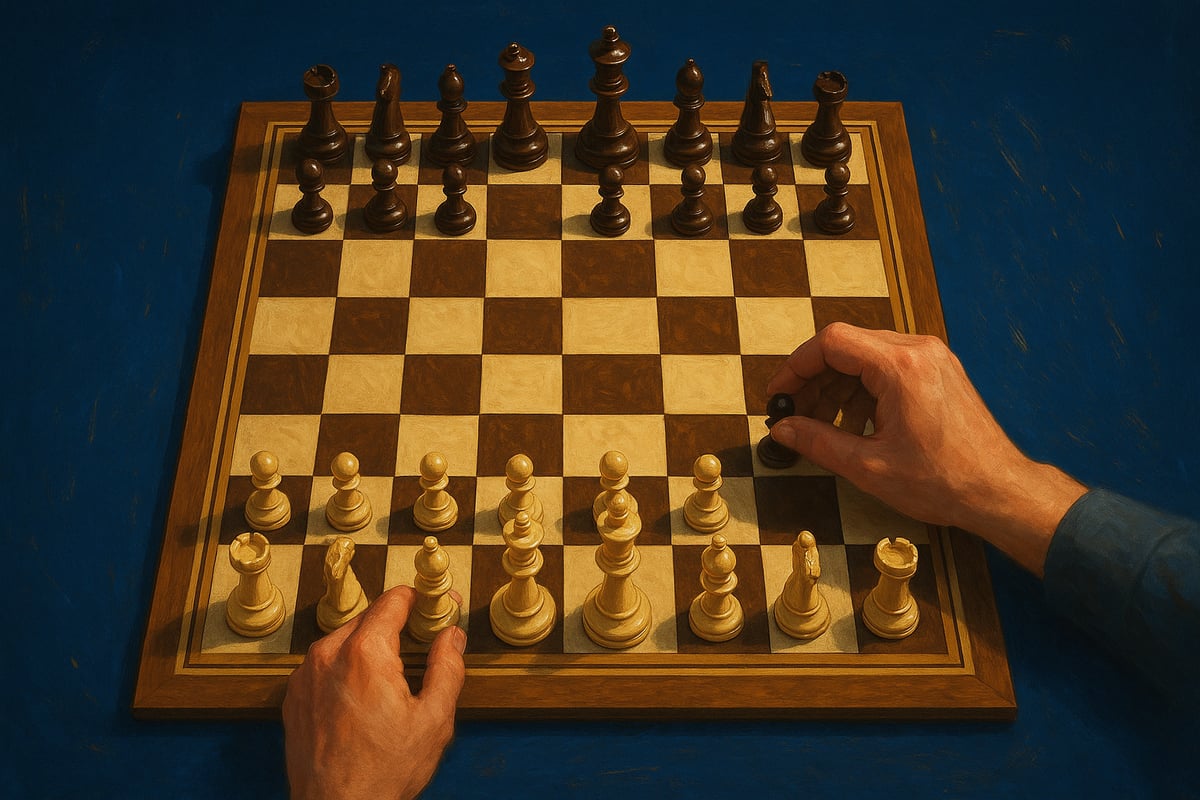
Start your setup for chess board by putting the rooks in the corners. For White, that’s a1 and h1. For Black, it’s a8 and h8. The rooks are your army’s towers, always standing guard at the edges.
If you misplace the rooks, it can mess up castling and even get you penalised in tournaments. Double-check those corners, especially if you’re rushing. Some players have lost valuable time fixing this at the start of big games.
Remember, the rooks are the foundation of your setup for chess board. Place them first, and you’ll set the stage for everything else.
Next up, knights. Place each knight right next to your rooks — that’s b1 and g1 for White, b8 and g8 for Black. Make sure the horses are facing forward, ready to leap into action.
The correct knight placement affects how you open the game. Some historic games were thrown off because a knight was put in the wrong spot. Don’t let this happen to you.
Smooth knight placement is a small but crucial part of the setup for chess board, especially if you want your openings to flow.
Now, add the bishops. Each bishop goes beside a knight — c1 and f1 for White, c8 and f8 for Black. Notice that each bishop sits on a different colour square. One will always be on a light square, the other on a dark one.
This distinction is vital. Your bishop pair shapes your game, especially in advanced play. If you swap them or put both on the same colour, your whole opening strategy can unravel.
For a solid setup for chess board, always check that your bishops are on the correct colours.
Time for the queen. Here’s the golden rule: the queen goes on her own colour. White queen on d1, Black queen on d8. It’s easy to remember with the “queen on her colour” trick.
If you swap the king and queen by mistake, it can lead to confusion and even force a game restart. Some famous matches have stumbled here.
Ensuring the queen is in the right spot is a key part of a professional setup for chess board.
Place the king right next to the queen. For White, that’s e1. For Black, it’s e8. The king is the heart of your army, so make sure he’s sitting safely beside the queen, not swapped with her.
Getting this right matters for castling and for tournament rules. If you do mix them up, most events will pause and let you fix it, but it’s best to avoid the hassle.
A correct king placement rounds out the central setup for chess board.
Now, fill the entire second rank (a2-h2) for White and seventh rank (a7-h7) for Black with pawns. These little soldiers form the front lines and shape the flow of the game.
A strong pawn structure is essential in every setup for chess board. It controls the centre, defends your pieces, and sets up your strategy.
Many opening theories are built around how you place your pawns, so don’t overlook this step.
Before you start, do a quick final check. Make sure every piece is where it should be. Common mistakes include swapping the king and queen or putting bishops on the wrong colour. If you’re ever unsure, there are great resources like the Pieces on a chess board guide to help you out.
Here’s a quick checklist:
A careful final review ensures your setup for chess board is flawless, whether you’re playing at home or in a major tournament.
Everyone makes mistakes, but when it comes to the setup for chess board, even a small slip can turn your match upside down. Let’s break down the most common setup blunders and how you can avoid them. Whether you’re prepping for a friendly game or a high-stakes tournament, these tips will help you sidestep trouble and play with confidence.
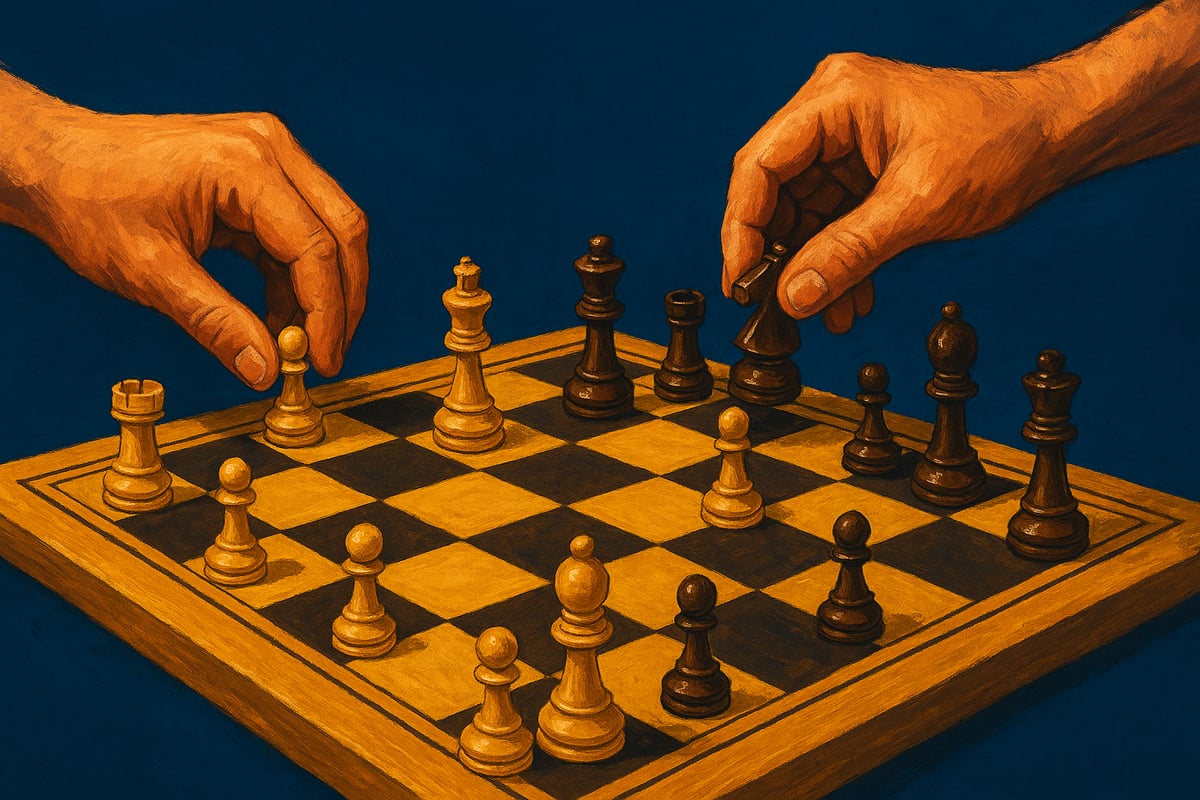
Misplacing pieces is one of the most frequent errors in the setup for chess board, especially for new players. Swapping the king and queen, or reversing the bishops, can lead to confusion and even force a game restart in official events. Imagine starting a game and realising the queen is not on her colour, or the bishops are on the wrong squares. This can disrupt your opening strategy and even cause disputes.
Here’s a quick table to compare common piece placement mistakes:
| Mistake | Consequence |
|---|---|
| King & Queen swapped | Illegal setup, restarts |
| Bishops reversed | Opening blunders |
| Rooks misplaced | Castling not possible |
Tournament directors will often pause games if they spot these issues. If you’re unsure about the correct layout, check out this Chess pieces setup guide for step-by-step visuals and tips.
Getting the board orientation wrong is a classic pitfall in the setup for chess board. The right way? Always make sure the bottom-right square is light for both players. Placing the dark square on the right throws off the entire notation system, making it tricky to record moves or analyse games later.
You’ll notice this mistake more often in online play, where digital boards might be rotated or mirrored. In tournaments, incorrect orientation can lead to penalties or even a game restart. Double-check the board before placing any pieces to avoid this simple yet critical error.
Sometimes, a piece goes missing, and players substitute with a coin, Lego, or another object. While this might work at home, official tournaments have specific rules about piece replacement in the setup for chess board. Using non-standard pieces can cause confusion, especially if both players forget which piece is standing in.
FIDE rules state that only approved replacements are allowed, and using random objects might even get you disqualified. Always check your set before starting. If you’re at a tournament and a piece is missing, notify the arbiter for a proper replacement.
With modern chess, smart boards are becoming a staple, but they require proper calibration as part of the setup for chess board. If sensors are misaligned, the board might record moves incorrectly or fail to register some moves altogether. This can cause chaos during blitz games or live broadcasts.
A notable incident happened at the 2022 Chess Olympiad, where digital boards misread moves due to calibration issues. Always run a quick calibration check before starting, especially if you’re playing in a hybrid or online event.
Fast-paced games like blitz or rapid can lead to rushed setups for chess board. Under time pressure, players often overlook misplaced pieces or incorrect board orientation, which can result in penalties or lost time.
To avoid these errors, develop a quick checklist for setup, and stick to it every time. Many blitz tournaments include a short setup window, so practise setting up your board quickly and accurately. Remember, a good start can make all the difference in a tight game.
Getting your setup for chess board right can make a huge difference, whether you’re gearing up for a big tournament or just playing at home with friends. Let’s dive into some advanced tips to make sure your chess board is always ready for action.
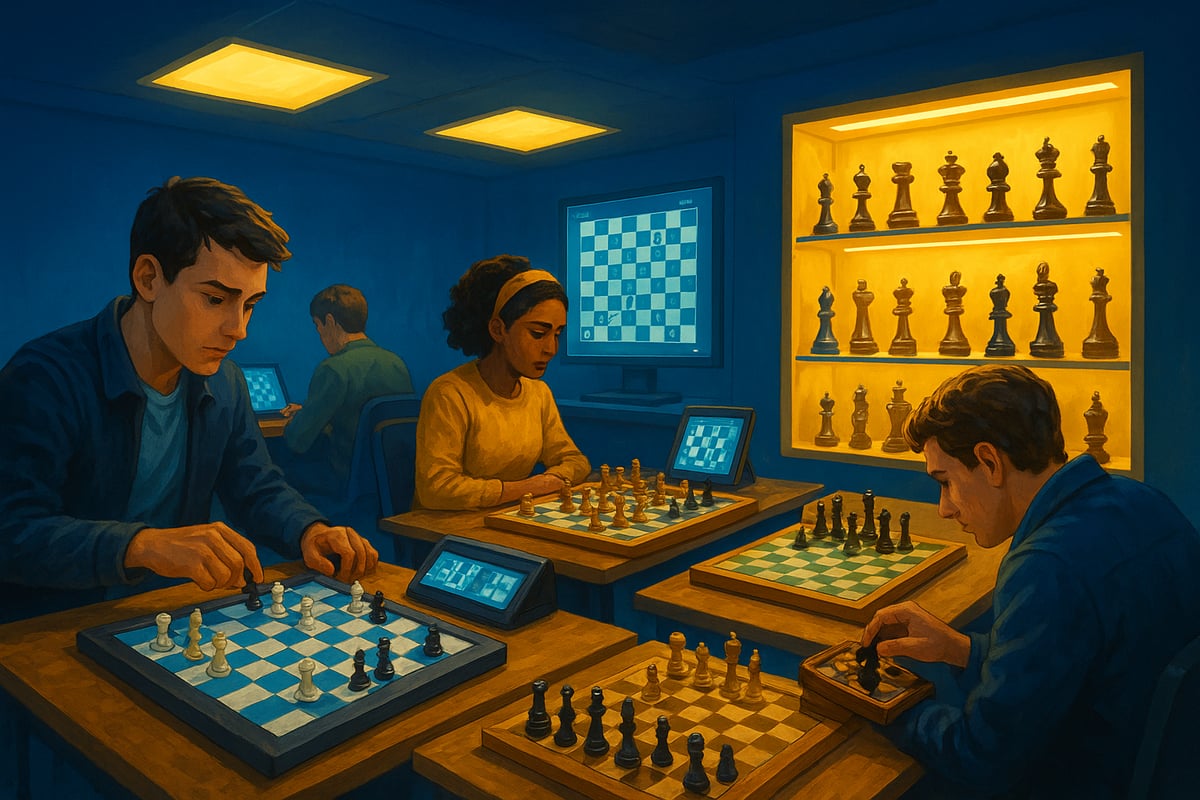
When it comes to tournaments, the setup for chess board must meet strict standards. FIDE specifies that boards should have 5-6cm squares, with a sturdy, non-reflective surface for clear visibility. Pieces should be weighted and sized proportionally to the board. Materials like wood or high-quality plastic are preferred, offering both durability and a premium feel.
For a detailed breakdown of official requirements, check out FIDE Chess Equipment and Standards. Following these guidelines ensures fairness and consistency in competitive play. Always double-check your board and pieces before a tournament to avoid last-minute surprises.
The modern setup for chess board often includes digital elements, especially in online or hybrid tournaments. Electronic boards sync with chess software, automatically recording moves and broadcasting games live. Setting up involves calibrating the board, connecting to Wi-Fi or Bluetooth, and ensuring all pieces are correctly placed for accurate move detection.
Before your match, run a quick test game to confirm everything is working. This helps avoid technical hiccups that could disrupt your focus. Many players now use digital boards at home to review games or participate in online competitions, making setup skills even more valuable.
Inclusivity is a big part of chess in 2026, and your setup for chess board can reflect this. Adaptive chess boards, like tactile or Braille sets, help visually impaired players enjoy the game fully. These boards feature raised squares and distinct piece shapes for easy identification by touch.
Paralympic events and local clubs are increasingly adopting accessible equipment. If you’re hosting a game, consider having an inclusive set available. It’s a simple way to ensure everyone can join in, regardless of ability or experience.
A well-maintained setup for chess board keeps your pieces looking sharp and your board in top condition. For wooden boards, use a soft cloth and occasional polish to prevent scratches. Plastic boards can be wiped down with a damp cloth, while digital boards should be cleaned gently, avoiding moisture near electronic components.
Store your set in a dry, cool place to prevent warping or fading. Regular maintenance not only extends the life of your chess set but also makes each game feel special. A clean board is always inviting for your next match.
Bringing a personal touch to your setup for chess board can make your games even more enjoyable. Custom pieces, themed boards, and unique colour schemes are popular in 2026. Just keep in mind that official tournaments have rules about piece size and design, so save your boldest customisations for casual play.
Some players collect limited-edition sets or design their own pieces using 3D printing. Whether you prefer classic elegance or quirky styles, personalising your chess board setup is a great way to express your love for the game.
If you’re always on the go, having a portable setup for chess board is essential. Magnetic and compact sets are perfect for travel, keeping pieces secure on bumpy rides or in busy cafés. For the best options, you can explore magnetic chess sets for travel that combine convenience with style.
When setting up in new environments, always check lighting and table stability to avoid distractions. A portable chess set means you’re ready to play anywhere, whether it’s a school tournament, a park, or a holiday trip.
Setting up a chess board in 2026 is a whole new experience. Technology, sustainability, and customisation have changed the way we play and enjoy chess. Let’s explore how the setup for chess board is evolving and what trends are shaping the future.
Smart boards are everywhere in 2026. About a quarter of all official tournaments now use digital boards for setup for chess board, making games faster to start and easier to stream. These boards automatically track moves, so you don’t have to write them down.
One standout is the DGT Smart Board Overview, which blends traditional chess with modern tech. It can sync with apps and broadcast games live, making it a favourite for both clubs and pros.
Players love the convenience, and tournament organisers appreciate the accuracy. If you’re planning your next setup for chess board, a smart board could be a game-changer.
Sustainability is front and centre in the chess world. More players are choosing bamboo or recycled material sets for their setup for chess board. These eco-friendly options are durable and stylish, plus they’re better for the planet.
The 2025 Green Chess Initiative reported a big jump in clubs switching to green sets. Some boards even come with certifications showing their environmental impact.
Choosing sustainable materials for your setup for chess board is a simple way to play your part in protecting the earth while enjoying the game.
Online chess is booming, and the setup for chess board now often means connecting your physical board to platforms like Chess.com or Lichess. Many boards can sync automatically, letting you play real opponents around the world without leaving your lounge.
Hybrid events are becoming the norm, where games are played in person but broadcast online in real time. The 2026 World Chess Championship used this format, letting fans watch every move as it happened.
If you want to take your setup for chess board to the next level, look for boards that offer seamless online integration.
Personal touches are in. With 3D printing, anyone can create custom pieces and unique boards for their setup for chess board. Clubs and schools love this trend, as it makes chess more fun and engaging.
Some players design themed sets based on movies, history, or even their favourite colours. This flexibility means the setup for chess board can reflect your personality and interests.
It’s not just about looks – 3D-printed pieces can be made to fit perfectly with your board, making every game feel special.
AR is making its mark on the setup for chess board. AR overlays can guide you through setting up pieces correctly, analyse your position, or even show possible moves during training sessions.
Apps with AR features have become popular for both beginners and seasoned players. They help you double-check your setup for chess board and avoid common mistakes.
Imagine pointing your phone at the board and getting instant feedback – it’s like having a coach right beside you.
Chess is for everyone, and new accessibility features are making the setup for chess board more inclusive. Tactile and Braille boards are now standard at major events for visually impaired players.
Voice-guided setup instructions are another big innovation. These tools ensure every player can set up the board independently and confidently.
FIDE’s 2026 accessibility standards have set the bar high, pushing for universal design in all chess equipment and making setup for chess board easy for all.
With technology moving fast, future-proofing your setup for chess board is key. Stay updated with FIDE guidelines, as regulations are often updated to include digital and adaptive equipment.
Many players are investing in modular sets that can be upgraded as new features become available. Preparing for events like the 2028 Chess Olympiad means your setup for chess board should be adaptable and ready for anything.
Keep an eye on trends and you’ll always be ready to play at your best, no matter where or how you’re competing.
Leave a comment