

Call Us:
(03) 7037 0931
M-F 9am to 5pm

There's something undeniably captivating about a marble chess set sitting on a table. Maybe it's the cool, smooth surface of the pieces, or the way natural stone patterns make each board completely unique. For centuries, craftspeople have transformed this ancient material into chess sets that blur the line between gaming equipment and fine art. Whether you're a serious player looking for a statement piece or a collector drawn to natural materials, marble chess offers a timeless combination of beauty and functionality that few other materials can match.
The relationship between marble and chess stretches back hundreds of years. Medieval artisans recognized that marble's durability and workability made it ideal for creating gaming pieces that could last generations. Historical records show marble chessboards dating back to the 13th century, demonstrating just how long this material has been treasured by players and collectors alike.
What makes marble so special? For starters, it's one of nature's most elegant materials. Each piece of marble contains unique veining and colour variations formed over millions of years, meaning no two sets are identical. You'll find marble in stunning varieties - from classic white Carrara to dramatic black and green serpentine, from warm coral tones to cool grey variations.
Beyond aesthetics, marble offers practical benefits. It's dense and stable, giving pieces a satisfying weight that keeps them firmly planted during gameplay. The natural coolness of stone feels wonderful to handle, and the material ages gracefully, developing character rather than showing wear.
Not all marble chess sets are created equal. The type of marble used dramatically affects both appearance and price point.
Italian Carrara marble sits at the top tier. Quarried from the same mountains Michelangelo sourced his stone, Carrara features pure white or cream backgrounds with subtle grey veining. It's the gold standard for luxury chess sets and commands premium prices.
Onyx marble creates dramatic visual impact with translucent qualities that can glow when backlit. Green onyx from Pakistan or Mexico offers stunning emerald tones, while honey onyx provides warm amber hues. These sets become conversation pieces.
Fossil marble contains visible remnants of ancient sea creatures, adding historical depth to your set. Each piece literally holds millions of years of natural history within its structure.
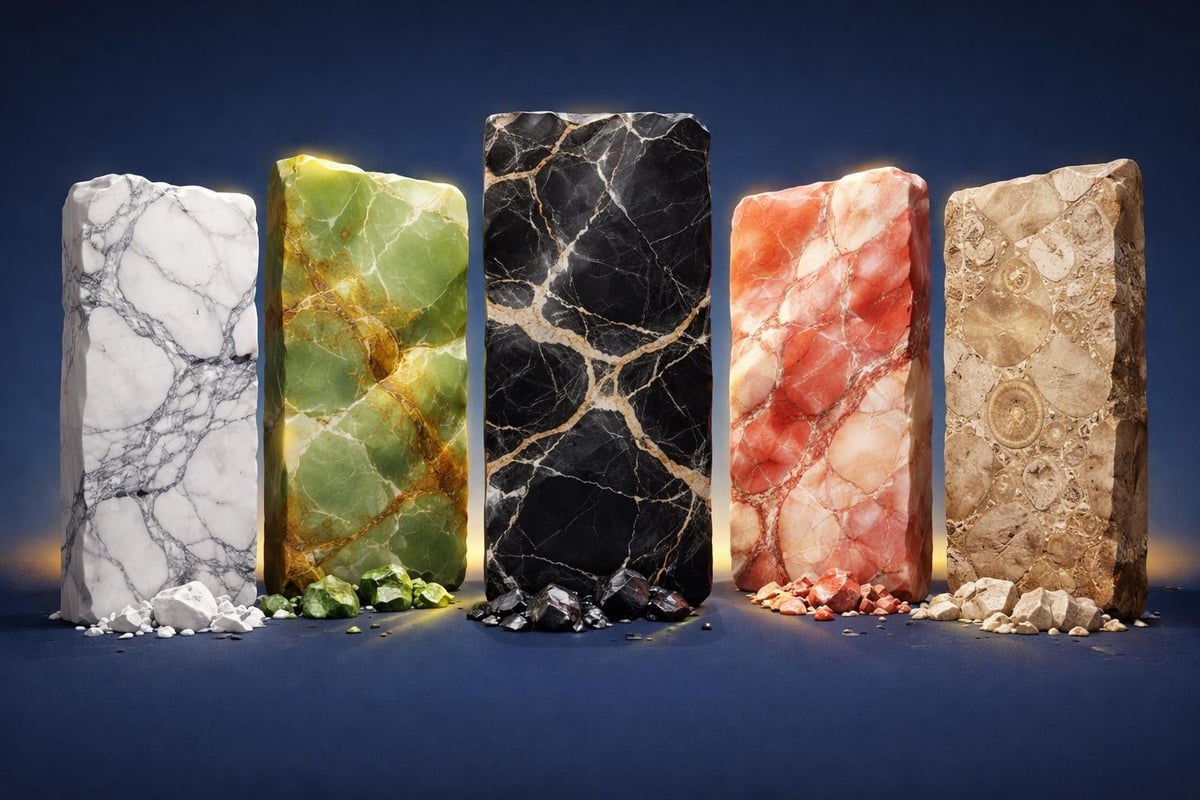
| Marble Type | Colour Palette | Typical Origin | Durability Rating |
|---|---|---|---|
| Carrara | White/cream with grey veins | Italy | Excellent |
| Onyx | Green, honey, or white | Pakistan, Mexico | Good (more delicate) |
| Nero Marquina | Deep black with white veins | Spain | Excellent |
| Coral | Pink to red tones | Turkey, Portugal | Very good |
| Fossil | Cream with visible fossils | Multiple regions | Excellent |
Creating a marble chess set requires serious skill. The manufacturing process involves multiple stages, from selecting raw stone to the final polish. Master craftspeople begin by inspecting marble blocks for structural integrity and aesthetic appeal, looking for slabs with complementary veining patterns.
The cutting phase demands precision. Modern diamond-tipped tools slice the marble into squares for boards or rough shapes for pieces. For hand-carved sets, artisans use traditional techniques passed down through generations, shaping each piece individually. This explains why quality marble chess sets carry higher price tags - you're paying for genuine craftsmanship.
Turning and lathing creates the elegant curves of chess pieces. Skilled turners work slowly, as marble can chip or crack if handled roughly. The process can't be rushed. A single king piece might take hours to shape properly, with constant attention to symmetry and proportion.
Finally, polishing transforms rough stone into gleaming playing pieces. Multiple grades of abrasive compounds gradually smooth the surface, revealing the marble's natural lustre. Some artisans finish with wax or sealant to protect against staining and enhance the stone's depth.
Here's the honest truth - marble chess isn't for everyone. If you're primarily focused on tournament play or rapid games, wooden sets with their lighter weight and traditional feel might serve you better. Marble excels in different contexts.
Display and decoration: A marble set becomes a focal point in any room. Interior designers often recommend them as sculptural elements that happen to be functional games.
Slow, contemplative games: The weight and presence of marble pieces encourage measured, thoughtful play. There's something about sliding a heavy stone knight across a polished board that makes you consider each move carefully.
Gift-giving occasions: Looking for an impressive present? Few items match the perceived value of a quality marble chess set. It signals sophistication and lasting quality.
Collection building: Serious collectors appreciate marble sets for their variety and uniqueness. Museums like the Gökyay Association Chess Museum house extensive collections featuring marble among other premium materials.
Proper maintenance keeps marble chess sets looking spectacular for decades. The good news? It's not particularly complicated.
Regular cleaning involves nothing more than a soft, damp cloth. Wipe down pieces and the board after use to remove dust and skin oils. Never use acidic cleaners (vinegar, lemon juice) or abrasive scrubbers - they'll etch the surface and dull the polish.
Stain prevention matters most. Keep food and drinks away from your set. If you do spill something, blot immediately with a clean cloth. For stubborn marks, a paste of baking soda and water can work wonders, but test it on an inconspicuous area first.
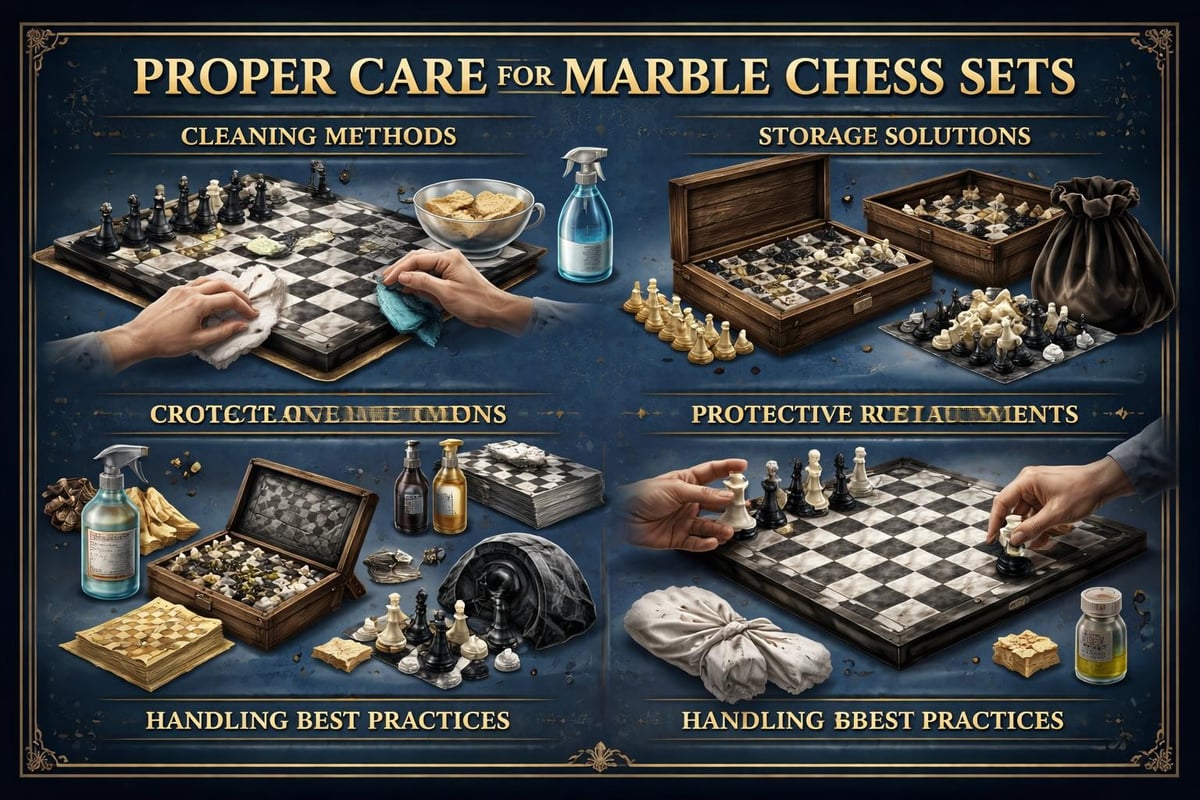
Storage considerations protect your investment:
Sealing marble provides extra protection. Food-safe stone sealers create an invisible barrier against stains. Reapply every 6-12 months depending on use. This simple step dramatically extends your set's pristine appearance.
Walking into a showroom (or browsing online) can feel overwhelming with so many options. Let's break down the decision-making process into manageable chunks.
| Primary Use | Recommended Features | Budget Guidance |
|---|---|---|
| Daily playing | Durable marble, practical size, smooth finish | Mid-range investment |
| Display piece | Dramatic veining, artistic design, larger scale | Premium budget |
| Gift-giving | Classic styling, complete set, presentation box | Variable by recipient |
| Collection addition | Unique materials, limited edition, provenance | Higher investment |
| Dual purpose (play + display) | Balance aesthetics and playability | Mid to premium range |
Standard chess boards measure 16-20 inches square with 2-inch squares. For marble sets, consider where it'll live. A massive 24-inch onyx board looks stunning on a dedicated chess table but overwhelms a bookshelf. Measure your intended display or playing space before committing.
King height typically ranges from 3-4 inches for standard sets. The classical proportion suggests the king should be about three-quarters the width of a board square. Check these ratios - properly proportioned sets feel right when you play.
Shopping for marble chess requires a discerning eye. Here's what separates exceptional sets from mediocre ones:
Don't hesitate to ask sellers about origin and craftsmanship. Reputable dealers like those at Sterling Chess can provide detailed information about sourcing, manufacturing methods, and expected longevity.
While traditional Staunton designs remain popular, contemporary designers are pushing boundaries with marble in exciting ways. Minimalist sets strip pieces down to geometric essentials - cylinders, cones, and spheres - letting the marble's natural beauty take centre stage.
Colour blocking creates bold visual statements. Picture a board alternating pure white Carrara with jet-black Marquina, or pairing green onyx against coral marble. These sets work equally well as modern art installations and functional games.
Mixed materials combine marble with other premium elements. Brass or copper accents on marble pieces add warmth. Some designers inlay marble squares into wooden frames, getting durability and aesthetics from both materials. These hybrid approaches expand what's possible with modern chess sets.
Sculptural interpretations treat chess pieces as individual art objects. Designers collaborate with stone carvers to create abstract representations of traditional pieces, where a knight might be suggested through flowing curves rather than depicted literally. These sets appeal to collectors who value artistic expression alongside the history of chess design.
In 2026, conscious consumers increasingly ask about material origins. Ethical marble sourcing matters. Look for sellers who can trace their stone to specific quarries with responsible environmental and labour practices. Some artisan workshops reclaim marble from architectural salvage, giving historic stone new life as chess sets.
Quality marble chess sets often appreciate over time, particularly limited editions from renowned craftspeople or sets featuring rare marble varieties. While you shouldn't buy primarily for investment, understanding factors that influence long-term value helps inform your purchase.
Provenance matters enormously. Sets with documented origins, maker signatures, or historical connections command premium prices. A set crafted by a master artisan using marble from a historically significant quarry has both story and substance.
Rarity drives collectibility. As specific marble sources become depleted, sets made from those materials gain value. Green onyx from certain Pakistani quarries, for instance, has become harder to source, making existing sets more desirable.
Condition preservation directly impacts value. Well-maintained sets retain their worth, while chipped or stained pieces lose appeal. This makes proper care not just aesthetic but financially prudent.

A stunning marble chess set deserves an equally impressive setting. Consider these complementary elements:
Dedicated chess tables elevate the entire experience. Wood tables with inlaid marble boards create permanent playing stations. Glass-topped tables allow the marble's beauty to shine through from multiple angles. Whatever surface you choose, ensure it's stable - marble's weight demands solid support.
A quality chess clock adds precision to games while complementing your set's aesthetic. Choose finishes that harmonize with your marble - brushed metal for contemporary sets, wood cases for traditional styles.
Purpose-built chess boxes protect your investment between games. Look for velvet-lined compartments that cradle each piece individually. Cedar or mahogany boxes add their own elegance while safeguarding marble from bumps and scratches.
Proper lighting showcases marble's depth and veining. Positioned spotlights create dramatic shadows that emphasize three-dimensional carving. For translucent stones like onyx, consider uplighting that makes the material glow. Natural daylight reveals the truest colours but avoid direct sun exposure.
While we're focused on chess, marble as a material has fascinating connections to other strategic games. The word "marble" itself refers to both the stone and small spherical toys, which have their own rich cultural history. Various marble-based games exist worldwide, from traditional ring games to modern creations.
Some game enthusiasts collect marble versions of multiple strategy games - backgammon, checkers, and chess - creating cohesive sets that showcase different rule systems on similar materials. If you're drawn to the aesthetic of stone gaming equipment, exploring other board games in marble might appeal.
You've absorbed lots of information. How do you actually choose? Start by clarifying your priorities. Rank these factors for yourself:
Once you've established priorities, narrow your options. If you're unsure about specifics, talking with knowledgeable specialists helps tremendously. Ask questions about everything from stone origins to care requirements. Reputable dealers welcome inquiries and provide honest guidance about which sets best match your needs.
Consider starting with a mid-range set if you're new to marble chess. This lets you experience the material without massive financial commitment. As you develop preferences, you can always expand into more elaborate pieces or premium materials.
Numbers and facts only tell part of the story. Playing on a marble set engages senses in ways wooden or plastic sets can't match. The cool, smooth texture under your fingertips creates a tactile connection to the game. The weight of each piece demands intentional movement - you can't casually shove pieces around a marble board.
The subtle click when placing a marble piece carries a satisfying finality. Each move feels consequential, permanent. This physical feedback loop reinforces strategic thinking. You'll find yourself pausing before moving, double-checking calculations, treating the game with additional reverence.
Visual appeal operates on multiple levels. Close up, you notice intricate veining patterns and subtle colour gradations. From across the room, the set reads as a sculptural composition, with contrasting pieces creating geometric patterns against the board. This dual-scale beauty means marble sets reward both intimate play and distant appreciation.
Even the smell contributes to the experience. Freshly polished marble carries a faint mineral scent, while older sets might hold traces of the oils and waxes used to maintain them. These subtle sensory details create richer engagement with every game.
Marble chess represents a beautiful intersection of natural materials, skilled craftsmanship, and strategic gameplay that transforms chess from pastime into art form. Whether you're drawn to the timeless elegance of Italian Carrara, the dramatic flair of green onyx, or contemporary minimalist designs, the right marble set becomes both treasured playing equipment and conversation-worthy display piece. When you're ready to explore quality marble chess sets with expert guidance, Sterling Chess offers carefully curated collections alongside specialist knowledge to help you find exactly the right set for your needs, budget, and playing style.
Leave a comment