

Call Us:
(03) 7037 0931
M-F 9am to 5pm

The game of chess has always been about strategy, patience, and mental prowess. But when you combine this ancient game with modern technology, something truly fascinating happens. Electronic chess has transformed how we learn, play, and experience the game, creating opportunities that would've seemed impossible just a few decades ago. Whether you're a competitive player looking to sharpen your skills, a collector interested in cutting-edge equipment, or someone curious about where technology meets tradition, understanding the digital side of chess opens up a whole new world of possibilities.
The relationship between chess and technology goes back much further than most people realise. In fact, the first "online" chess game happened in December 1844, when two teams played chess 60 kilometres apart using the electrical telegraph. That's right - nearly 182 years ago, chess enthusiasts were already pushing the boundaries of what technology could do for their beloved game.
But the real revolution in electronic chess began in the mid-20th century. One of the earliest computer-based chess programs was developed by Dietrich Prinz in 1951, marking the first time a digital machine could actually play chess, albeit in a limited capacity. It could only handle endgame positions with a few pieces, but it opened the door to something extraordinary.
The breakthrough moment came in 1967 when Mac Hack became the first computer chess program to play in human tournaments and achieve an official chess rating. This wasn't just a novelty - it proved that machines could compete, learn, and genuinely challenge human players.
When personal computers entered homes in the 1970s, chess was right there at the forefront. Microchess, released in 1976, marked a significant step in bringing chess software to everyday players. Suddenly, you didn't need a chess club or willing opponents at home - your computer could play whenever you wanted.
This accessibility changed everything for aspiring players who lived in remote areas or simply wanted to practice at 2am in their pyjamas.
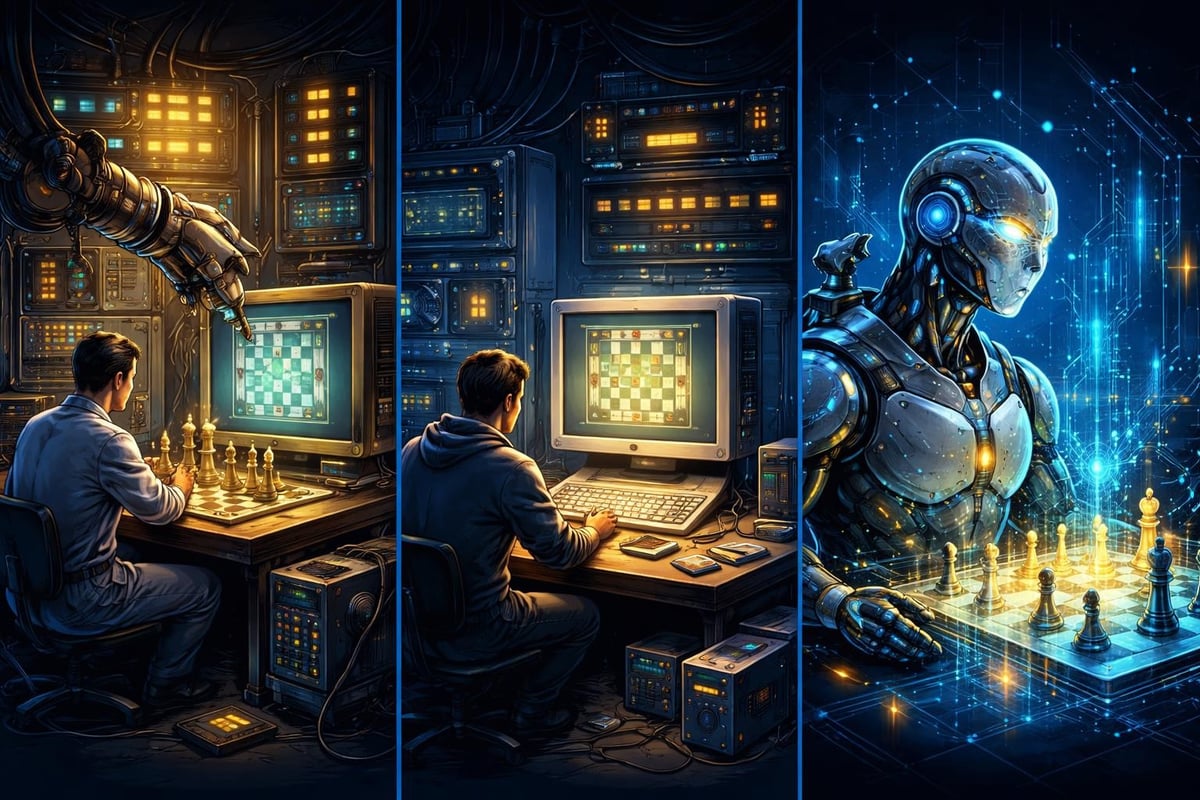
Today's electronic chess landscape looks nothing like those early experiments. The technology has become so sophisticated that it seamlessly blends the physical pleasure of moving real pieces with the analytical power of digital computation.
Smart boards have revolutionised tournament play and home practice alike. At Sterling Chess, we've seen incredible interest in products like the DGT Pegasus Chess Set e-Board, which combines traditional gameplay with cutting-edge connectivity. These boards can recognise every move, connect to online platforms, and even allow you to play against people across the world while still enjoying the tactile experience of physical pieces.
Modern electronic chess systems pack incredible functionality into elegant designs:
The DGT Centaur Chess Computer exemplifies how far we've come. It uses adaptive AI that learns your playing strength and adjusts accordingly, creating an opponent that challenges without overwhelming. It's like having a coach who knows exactly when to push you and when to ease off.
| Feature | Traditional Board | Basic Electronic Board | Advanced Smart Board |
|---|---|---|---|
| Physical pieces | Yes | Yes | Yes |
| Move recording | Manual | Semi-automatic | Automatic |
| Online connectivity | No | Limited | Full integration |
| AI opponent | No | Basic levels | Adaptive strength |
| Game analysis | External required | Basic | Comprehensive |
| Tournament features | Clock separate | Integrated clock | Full tournament system |
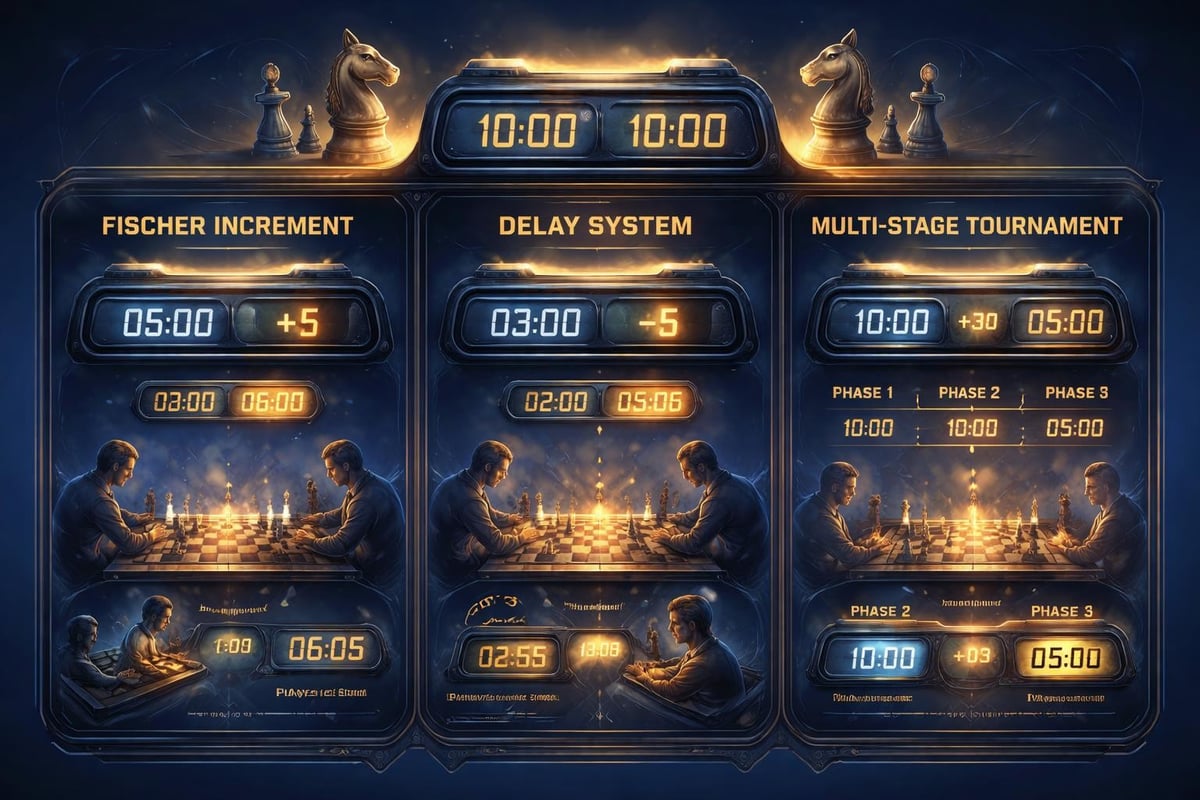
Time management is crucial in competitive chess, and electronic chess clocks have become precision instruments that go far beyond simple countdown timers. The evolution from mechanical clocks to digital ones wasn't just about accuracy - it enabled entirely new time control formats that have enriched the game.
Fischer increment, delay modes, and Bronstein time are all innovations made possible by digital technology. These systems add seconds to your time after each move, creating dynamic games that reward quick thinking without the desperate time scrambles of traditional sudden-death formats.
At Sterling Chess, we stock everything from the tournament-standard DGT 3000 Wood Finish Limited Edition Professional Chess Clock to simpler models like the DGT 1001 Black Game Timer for club play and home use.
The beauty of modern chess clocks is how they've maintained the essential simplicity of the pressing mechanism while adding incredible functionality under the surface.
The story of electronic chess reached its most dramatic chapter when AI truly mastered the game. While chess computers had been strong for decades, recent research on DeepChess and deep neural networks has created systems that don't just calculate moves - they understand chess in ways that mirror and sometimes surpass human intuition.
These modern engines analyse millions of positions per second, but more impressively, they've developed strategic understanding through machine learning. AlphaZero famously taught itself chess in just four hours and proceeded to defeat the world's strongest traditional engines with a style many grandmasters described as "alien yet beautiful."
What this means for everyday players is access to coaching tools that would've been impossible before. Modern chess software can:
The Chessmaster series pioneered making this kind of analysis accessible to casual players, and today's platforms have taken it even further.
Electronic chess has democratised chess education in ways the old masters could never have imagined. A beginner in rural Australia now has access to better training resources than all but the elite players had just 30 years ago.
Online platforms offer structured lessons, interactive puzzles, and instant feedback. You can watch grandmaster games with live computer analysis, revealing the critical moments and missed opportunities that even strong players might miss. This kind of learning accelerates improvement dramatically.
Electronic chess platforms provide diverse learning approaches:
The combination of physical boards with digital connectivity creates the best of both worlds. You can analyse your tournament game on a beautiful wooden set at home while the software highlights where you went wrong, all without staring at a screen for hours.
As technology transforms the game of chess, it's also changed how tournaments operate and how fair play is enforced. Modern chess tournaments rely heavily on electronic systems for everything from pairings to anti-cheating measures.
DGT e-Boards used in tournaments broadcast games live to spectators worldwide, bringing transparency and excitement to competitive play. These boards automatically record games, eliminating disputes about move sequences and creating permanent records for analysis.
But technology has also created challenges. The availability of powerful chess engines on smartphones means tournament organisers must implement strict controls. Metal detectors, radio frequency scanners, and even VAR-style technology have entered the chess world to maintain competitive integrity.
| Tournament Technology | Purpose | Impact on Game |
|---|---|---|
| Electronic boards | Live broadcasting & recording | Increased visibility |
| Digital clocks | Precise time management | Fair, accurate time controls |
| Pairing software | Tournament organisation | Faster, more accurate pairings |
| Anti-cheating detection | Statistical analysis | Maintains competitive integrity |
| Online arbitration tools | Remote tournaments | Enables global competition |
Here's something interesting: as electronic chess becomes more sophisticated, many players find themselves appreciating traditional craftsmanship even more. There's something deeply satisfying about playing on a beautifully crafted wooden board with weighted pieces, even when that board connects to the latest chess engine.
At Sterling Chess, we've noticed this trend growing stronger. Players invest in quality sets like our Renaissance chess pieces or Medieval Warriors sets precisely because electronic chess has made them love the game more. The technology enhances their understanding and appreciation, which makes them want premium equipment for their physical games.
This isn't contradictory - it's complementary. You might analyse your games with a computer, practice tactics on your phone, and play online against international opponents. But when it comes to serious over-the-board play or simply enjoying the aesthetic pleasure of chess, nothing beats real wood, real metal, and real craftsmanship.
Different players find different equilibriums between electronic and traditional chess:
The key is finding what works for your chess journey. Technology should enhance your experience, not replace the aspects of chess you genuinely love.
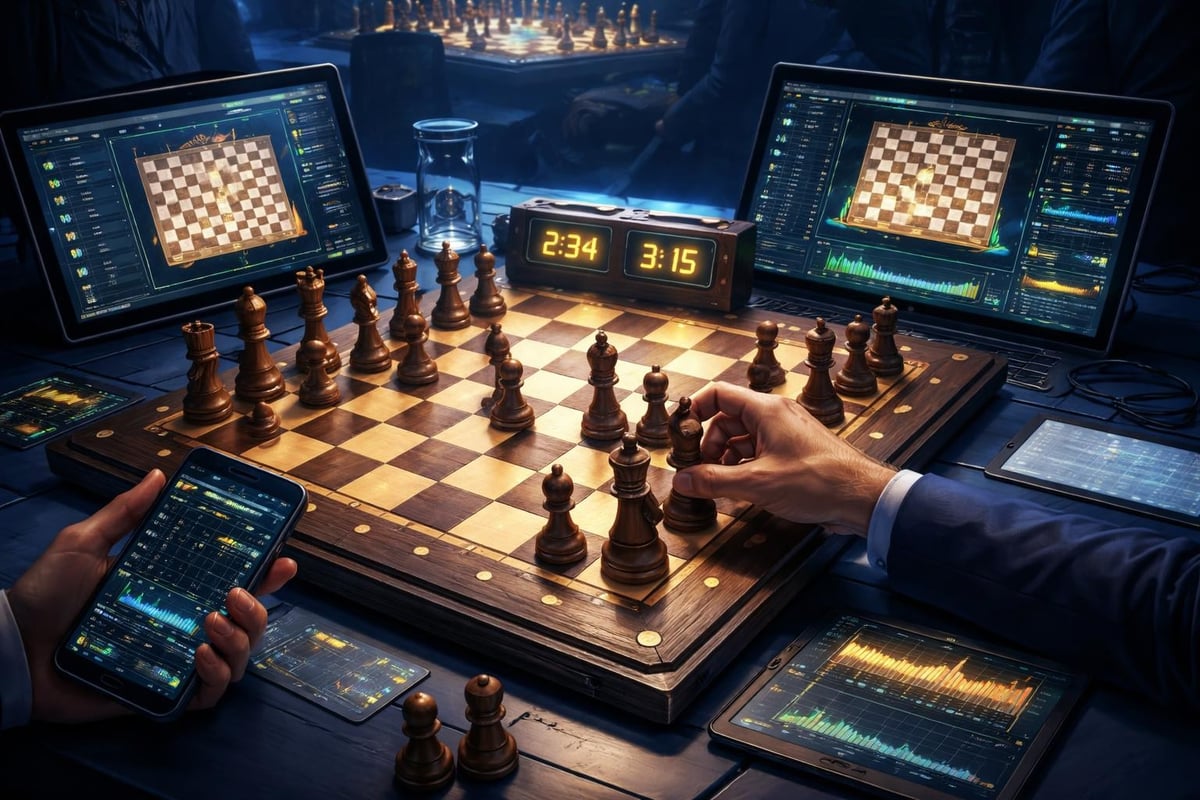
Where's electronic chess heading next? The trajectory suggests even deeper integration between physical and digital experiences. Augmented reality chess is already emerging, where you can play on a physical board while seeing computer analysis overlaid through special glasses or smartphone apps.
Virtual reality chess creates immersive environments where you can play in historically accurate settings or fantastical landscapes while still engaging your brain with serious chess. Some platforms let you sit across from a photorealistic avatar of Magnus Carlsen, complete with his mannerisms and playing style.
Quantum computing might eventually create chess engines so powerful they effectively "solve" certain aspects of the game, though chess's complexity means a complete solution remains impossibly distant. What's more likely is AI that can explain its moves in human-understandable terms, making computer analysis more accessible to improving players.
But perhaps the most exciting development is how electronic chess keeps bringing new players into the game. Streaming platforms have created chess celebrities, online tournaments attract millions of viewers, and smart boards make it easier than ever to host hybrid events combining in-person and remote players.
If you're looking to add electronic elements to your chess setup, start by identifying what you actually need. A competitive player has different requirements than someone who primarily plays casual games with friends.
For serious tournament preparation, consider:
For casual enjoyment and gradual improvement, you might prefer:
At Sterling Chess, we help players navigate these choices based on their goals, budget, and playing style. Electronic chess offers incredible tools, but the best setup is always the one that keeps you excited about playing.
The intersection of chess and technology continues to evolve, creating opportunities that seem almost magical compared to the telegraph game played in 1844. Yet fundamentally, it's still the same beautiful game - just with more ways to learn, play, and enjoy it than ever before.
Electronic chess has transformed how we experience the ancient game while deepening our appreciation for both technological innovation and traditional craftsmanship. Whether you're drawn to cutting-edge smart boards or timeless wooden sets, the key is finding equipment that enhances your enjoyment of chess. At Sterling Chess, we're passionate about helping players discover the perfect balance between modern technology and classic design, offering everything from advanced electronic boards to beautifully handcrafted sets that'll last generations. Ready to explore how the right equipment can elevate your game? Visit Sterling Chess and let our team guide you toward the perfect chess experience.
Leave a comment