

Call Us:
(03) 7037 0931
M-F 9am to 5pm

Chess is booming worldwide, and it feels like everyone knows someone who’s caught the bug. If you’re new to chess, you’re joining millions of fresh players inspired by online trends and hit shows like The Queen’s Gambit.
This beginner’s guide for 2026 is here to help you get started with confidence. We’ll walk you through the basics, step-by-step strategies, practical tips, and must-have resources. Plus, you’ll learn how to connect with the lively chess community.
Ready to make your first move? Dive in for clear advice, proven techniques, and all you need for an enjoyable start in chess.
Starting your journey as someone new to chess is exciting, but it can feel a bit overwhelming at first. Don't worry, though—once you get the hang of the basics, everything else starts to fall into place. Let's break down the essentials so you can set up, play, and enjoy your first games with confidence.
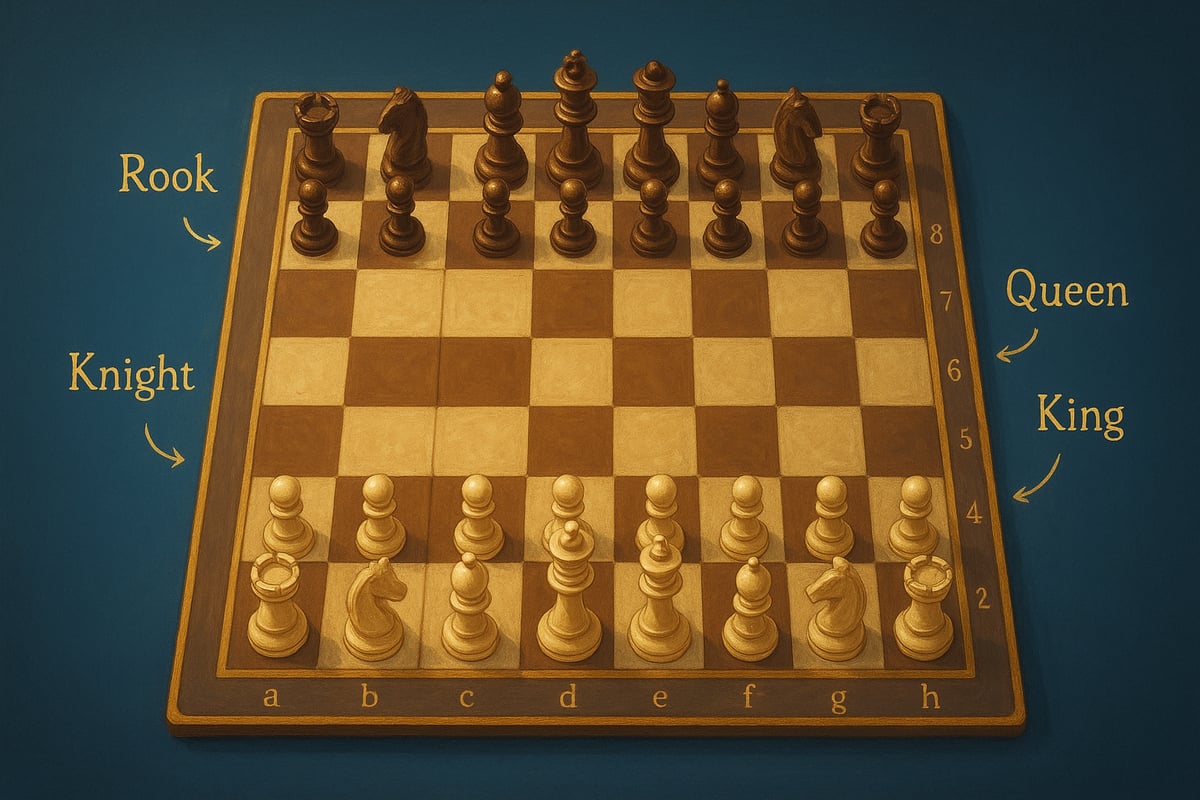
For anyone new to chess, the first step is getting familiar with the chessboard and its pieces. The board has 64 squares, arranged in an 8x8 grid, alternating light and dark colours. Always place the board so that the bottom-right square is light—remember, "white on the right."
Each player starts with 16 pieces: one king, one queen, two rooks, two bishops, two knights, and eight pawns. The back row (nearest you) is set up as follows, from left to right: rook, knight, bishop, queen, king, bishop, knight, rook. The queen always starts on her own colour (white queen on white, black queen on black). Pawns fill the row in front.
Here's a quick table to help you remember piece values:
| Piece | Symbol | Value |
|---|---|---|
| King | K | Infinite (can't be captured) |
| Queen | Q | 9 |
| Rook | R | 5 |
| Bishop | B | 3 |
| Knight | N | 3 |
| Pawn | P | 1 |
A common mistake for those new to chess is placing the board the wrong way or mixing up the queen and king. If you want a step-by-step visual guide for setup, check out How to set up chess pieces.
Now, let's talk about how the pieces move. If you're new to chess, it's normal to mix these up at first, so a bit of repetition helps.
Special moves include:
The aim for anyone new to chess is to checkmate the opponent's king, meaning the king is attacked and can't escape. A stalemate is when a player can't make a legal move, but their king isn't in check—the game ends in a draw.
If you're new to chess, you'll soon notice that players often write down their moves. This is called algebraic notation, and it's the universal language of chess. Each square has a name, like "e4" or "d5," based on the grid's letters (a-h) and numbers (1-8).
For example, moving a pawn to e4 is written as e4, while moving a knight to f3 is Nf3. Captures include an "x," such as Bxe5 (bishop captures on e5). This system helps you read chess books, study famous games, and play online.
Why bother with notation? Recording your moves lets you review your games, spot mistakes, and track progress. Plus, it's required in tournaments and handy for sharing games with friends.
If you want to practise, you can find free notation guides and printable score sheets online. Mastering notation early is one of the best habits for anyone new to chess.
Starting out new to chess can feel overwhelming, but breaking it down step by step makes the journey much easier. Whether you’re aiming to play with friends or dreaming of local tournaments, this guide will walk you through every essential stage to build your skills and confidence.
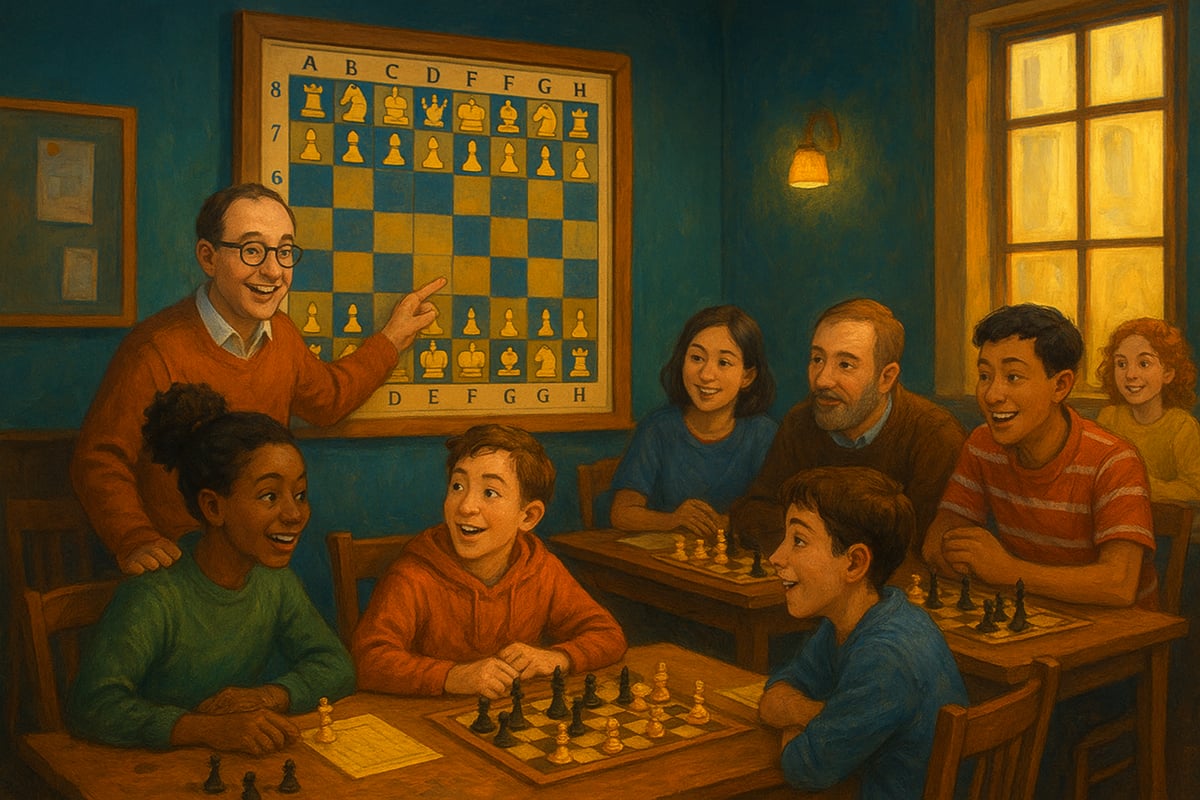
If you’re new to chess, start by getting hands-on with the basics. Set up your board, learn the names and values of each piece, and memorise how they move. Practice by moving pieces around, focusing on the unique ways the knight jumps or how pawns move and capture.
Repetition is your friend here. Use interactive tutorials or printable booklets to reinforce the rules. Online resources like the Beginner Chess Topics – A Step-by-Step Learning Roadmap offer structured lessons specifically for people new to chess. The more you practice, the faster these basics will stick.
Once you’re comfortable with the basics, start playing real games. If you’re new to chess, it’s perfectly fine to play against friends, family, or even computer bots. The goal is to get a feel for the flow of a full game, from opening moves to checkmate.
Try mini-games like “pawn wars” or “rook battles” to focus on specific pieces. These bite-sized challenges are great for building confidence without pressure. Remember, every game you play as someone new to chess is a learning opportunity.
Tactics are the secret sauce for anyone new to chess. They’re clever moves that let you win material or checkmate your opponent. Start by learning classic tactics like forks, pins, skewers, and discovered attacks.
Daily tactics puzzles, available on many chess apps, are fantastic for sharpening your skills. Make it a habit to solve a few puzzles each day. Over time, these patterns will become second nature, giving you an edge in every game you play as someone new to chess.
Don’t stress about memorising loads of opening moves when you’re new to chess. Instead, focus on three core principles:
Sample opening moves like 1.e4 or 1.d4 are great starting points. The aim is to get your pieces out efficiently, not to memorise long sequences. Stick to these basics and you’ll set yourself up for success every time you play as someone new to chess.
The endgame might sound intimidating when you’re new to chess, but it’s actually one of the most rewarding stages. Start by mastering basic checkmates, like king and queen versus king, or king and rook versus king.
Practice simple pawn endings and learn how pawn promotion works. There are plenty of online drills and booklets to help you get comfortable. Even a little endgame knowledge gives you a big advantage when you’re new to chess.
Every game is a lesson, especially when you’re new to chess. After you finish playing, take a few minutes to review what happened. Use simple notation or online tools to replay your moves and spot mistakes.
Look for patterns in your play—did you miss a tactic or forget to castle? Watching beginner analysis videos can also help you see what to improve next time. Learning from your own games is the fastest way to grow when you’re new to chess.
Starting your journey as someone new to chess can feel overwhelming, but with the right approach, progress comes quickly and feels rewarding. These tips are designed to help you build strong habits, avoid common mistakes, and make learning chess both fun and effective.
Consistency is your secret weapon when you are new to chess. Instead of marathon sessions, try setting aside 15 to 30 minutes each day for focused study. This approach helps you absorb information without burning out.
Top coaches agree that a structured plan is key. If you are unsure where to start, check out the Chess Study Plans for All Levels on Chess.com for easy-to-follow guides tailored for beginners.
Mix up your routine with a blend of lessons, puzzles, and reviewing games. Little by little, your skills will stack up.
When you are new to chess, it is tempting to memorise openings, but tactics win most beginner games. Spend time solving puzzles that teach you forks, pins, and skewers. These patterns pop up in games all the time.
There are great puzzle apps and websites available. Doing just a few puzzles daily builds your pattern recognition and sharpens your instincts.
Try setting a goal to solve five tactics puzzles every day. You will be surprised how much this boosts your confidence and performance.
Playing lots of games is essential for anyone new to chess. Whether you play online or with friends, every game teaches you something. But don't just play and forget—take a moment to look back at your moves.
After each game, ask yourself, "What could I have done better?" Use simple annotations or jot down your thoughts to spot mistakes and see progress.
Here is a quick post-game checklist:
- Did I develop my pieces quickly?
- Did I control the centre?
- Did I miss any tactics?
- Was my king safe?
Reflecting like this keeps you improving steadily.
Everyone makes mistakes when they are new to chess, but you can dodge the biggest ones by staying mindful. Watch out for these classic traps:
To avoid these, make a quick checklist before each move. Ask: Is this helping my position? Is anything under threat? If you are not sure, pause and double-check.
Technology has made it easier than ever for those new to chess to learn and connect. Platforms like Chess.com and Lichess.org offer lessons, puzzles, and vibrant communities. You can play games any time, anywhere, and even join online tournaments.
Chess videos and streaming channels are also fantastic resources. Look for playlists like "Beginner to Chess Master" or check out official channels for live events and practical advice.
Chess has seen a massive surge in online players, so you are never alone in your learning.
Setting clear, achievable goals is a big motivator, especially if you are new to chess. Start small: aim to win five games this week or solve ten puzzles. Track your progress using online ratings or a simple journal.
Celebrate your wins, no matter how small. Every bit of improvement counts. If you hit a rough patch, remember that every chess master was once a beginner.
Getting started with chess is so much easier when you have the right resources handy. If you're new to chess, you'll want a toolkit that covers everything from the basics to community and competition. Let's break down the essentials for your chess journey.
For anyone new to chess, classic booklets and printables are a fantastic way to start. Look for beginner guides like ECF Chess Booklet One and Two, which walk you through rules, piece movement, and lots of example games. These booklets are easy to find online, often as free downloads or affordable print versions.
Many modern publishers also release beginner books packed with illustrations and puzzles. Some even include printable score sheets and checklists, making your early games less intimidating. Having a physical reference nearby is surprisingly comforting when you're just starting out.
If you're new to chess, online platforms are your best mate for learning and practice. Sites like Chess.com, Lichess.org, and ECF Online offer interactive lessons, practice puzzles, and the chance to play games against real people or AI.
Most platforms have mobile apps, so you can learn and play whenever you have a moment. Features like daily puzzles, rating systems, and built-in communities keep things motivating. Comparing a few platforms helps you find the vibe and tools that suit your learning style best.
| Platform | Lessons | Puzzles | Community | Mobile App |
|---|---|---|---|---|
| Chess.com | ✔ | ✔ | ✔ | ✔ |
| Lichess.org | ✔ | ✔ | ✔ | ✔ |
| ECF Online | ✔ | ✔ | ✔ | ✔ |
Visual learners who are new to chess will love video tutorials and streams. YouTube is packed with playlists designed for beginners, covering everything from piece movement to first tactics. Twitch streams are a great way to watch live games and get real-time commentary from experienced players.
For a structured experience, check out the Beginner Chess Lessons by Saint Louis Chess Club. Their beginner-friendly videos and community events make learning feel fun and interactive. Regularly watching and following along with these videos helps you build confidence quickly.
Joining a chess club is a game-changer if you're new to chess. Clubs offer a friendly environment for casual play, coaching sessions, and even internal tournaments. You can find clubs for all ages and skill levels, making it easy to fit in.
Community groups are also moving online, with forums, Discord servers, and social media groups where you can ask questions, share games, and celebrate wins. The support and motivation you get from a club or online group can make a huge difference in your progress.
Once you're comfortable with the basics and want to test your skills, tournaments are the next step. Many events welcome players who are new to chess, both online and in-person. These beginner-friendly tournaments are perfect for gaining experience and meeting fellow enthusiasts.
Check out national event calendars, like the ECF’s, for upcoming competitions. Participating in tournaments not only sharpens your skills but also gives you a real sense of achievement. Plus, you’ll get to be part of the wider chess community and see just how exciting the game can be.
Chess is way more fun when you’re part of a community. If you’re new to chess, joining a club or getting involved in local events is the fastest way to make friends, learn from others, and really enjoy the game.
If you’re new to chess, finding a club is a great first step. Use online club finders or maps to see what’s nearby, and don’t worry about your skill level. Most clubs are super welcoming, offering casual games, group coaching sessions, and even friendly internal tournaments.
Some clubs meet in libraries, schools, or community centres. Whether you’re looking for a relaxed vibe or something a bit more competitive, there’s a club out there for everyone. Being part of a club means you get support, encouragement, and a chance to play regularly.
There’s never been a better time for new to chess players to jump into events. Clubs often run regular club nights, rapidplay tournaments, and even online leagues that anyone can join.
Signing up is usually a breeze—just register online or pop into your local club. The surge in online chess since 2020 means you can play in record-breaking events from your living room. These events are perfect for gaining experience, meeting other enthusiasts, and having a blast, win or lose.
When you’re new to chess, having a coach or mentor can make a huge difference. Many clubs offer group classes for beginners, and you can also find private lessons or online tutorials if you prefer learning at your own pace.
Look for clubs with registered coaches or check online for qualified instructors. Mentorship speeds up your learning, gives you personalised feedback, and helps you avoid common pitfalls. There’s always someone happy to guide you, especially when you’re just starting out.
Don’t forget the online world. If you’re new to chess, joining forums, Discord servers, or social media groups opens up a whole new set of opportunities. You can share your games, ask questions, and learn from players around the globe.
Many communities share useful resources like the Essential Chess Principles (Beginner-Friendly Guide), which is perfect for discussing opening ideas or chess basics. The more you engage, the more you’ll learn, and the more connected you’ll feel.
It’s totally normal to hit a few bumps when you’re new to chess. Stay motivated by setting small goals, joining club challenges, or celebrating every bit of progress. Many beginners move forward faster with encouragement from their club or online community.
Remember, every mistake is a learning opportunity. Stick with it, lean on your chess friends, and before you know it, you’ll be seeing real improvement.
If you’re new to chess and feeling confident with the basics, it’s time to level up. This stage is all about building on what you’ve learned and keeping the game fun and challenging. Here’s how you can make real progress and keep your chess journey exciting.
Every player new to chess benefits from having clear goals. Short-term aims keep you motivated, like “solve five tactics puzzles daily,” while long-term goals might be “reach a 1200 rating” or “play in a local tournament.”
Writing your goals in a journal or tracking them with an app helps you see progress. Remember, goals should be specific, realistic, and flexible. Adjust them as your chess skills grow.
Once you’re comfortable with the basics, start exploring strategy beyond simple tactics. New to chess learners should focus on understanding plans, piece coordination, and pawn structure.
Look for books and online videos that break down these ideas in plain language. Try to spot patterns in your own games, and don’t be afraid to experiment with different strategies as you play.
After you’ve mastered basic openings, it’s time to dig deeper. For those new to chess, learning why certain opening moves work is more important than memorising long sequences. Check out tips for successful chess openings to get practical advice on safe and effective starts.
Endgame knowledge is equally important. Study simple checkmates and learn how to convert a small advantage into a win.
Watching how grandmasters play is one of the best ways for new to chess enthusiasts to improve. Look for annotated games online or in beginner-friendly books.
Try to follow the thought process behind each move. Pause the video or book, guess the next move, and compare your idea with the master’s choice. This habit sharpens your instincts and reveals new patterns to use in your own play.
If you’re feeling ready, jump into rated games online or at your local club. For anyone new to chess, playing rated games adds excitement and helps track your improvement.
Register with your national federation or join a club to get an official rating. Competitive play teaches you to handle nerves, manage time, and bounce back from losses with a positive mindset.
Chess is a lifelong adventure. Stay curious by reading new books, watching courses, and joining community events.
Connect with other players for friendly games and advice. Remember, even grandmasters keep learning. The most important thing for someone new to chess is enjoying the journey and celebrating each milestone along the way.
Leave a comment