

Call Us:
(03) 7037 0931
M-F 9am to 5pm

Ever wondered what it really takes to become the no 1 in chess today? The game’s changed a lot, especially as we head into 2026. New strategies, tech, and mind games are pushing the limits like never before.
If you’re keen to outsmart your rivals and climb to the top, you’re in the right place. This article unlocks seven no-nonsense secrets that champions use, from killer opening prep and endgame finesse to psychological tricks and smart tech.
Ready to level up? Let’s dive in and see what it takes to outplay, out-think, and become the best.
The world of chess is changing faster than ever. If you're dreaming of becoming no 1 in chess, you need to stay on top of these shifts. Let's break down what makes 2026 such a unique time for players chasing the top spot.

AI has completely transformed how players train for the no 1 in chess spot. Tools like Stockfish 16 and Leela Chess Zero now power up opening prep and tactical training. Magnus Carlsen and other top grandmasters use AI engines to personalise their routines and uncover hidden strategies.
According to Statista, chess software adoption jumped by 35% since 2022. If you're curious about how AI is rewriting competitive chess, check out this deep dive on the Impact of AI on Competitive Chess. Embracing these tools is now a must for anyone aiming for the top.
Since 2020, chess has taken off globally. Thanks to streaming and online tournaments, the dream of becoming no 1 in chess is more popular than ever. Chess.com smashed records with 140 million users in 2025, making the game truly worldwide.
With players from every continent battling it out, competition has never been tougher. It means you have to work even harder to stand out in this new global chess scene.
It’s not just about the moves anymore. Psychological strength is now a core part of the journey to no 1 in chess. Elite players are hiring coaches to help with focus, resilience, and stress management.
Hikaru Nakamura, for example, uses mindfulness techniques to keep his head in the game. This mental edge can turn a tight match in your favour, proving that chess is as much about mindset as calculation.
Top players are using massive databases and analytics to sharpen their edge. If you want to be no 1 in chess, you need to track every move, trend, and opponent quirk. ChessBase’s expanded 2026 database lets you analyse openings, predict trends, and adjust your play on the fly.
This approach helps players avoid surprises and stay one step ahead, showing how crucial data has become in elite chess circles.
There’s a fresh wave of young talent shaking up the no 1 in chess race. More prodigies are joining the top 100 before turning 18. FIDE’s 2025 report revealed the average age of the top 10 is now just 22.
This youth surge means early specialisation and intense training are the new normal. If you want to compete at the top, starting young and staying adaptable is more important than ever.
Ready to level up your game and chase that no 1 in chess spot? You're in the right place. These seven secrets aren't just tips, they're the game-changers top players rely on in 2026. Whether you're a club player or aiming for the big leagues, you'll find practical advice and real-world examples to fire up your journey.
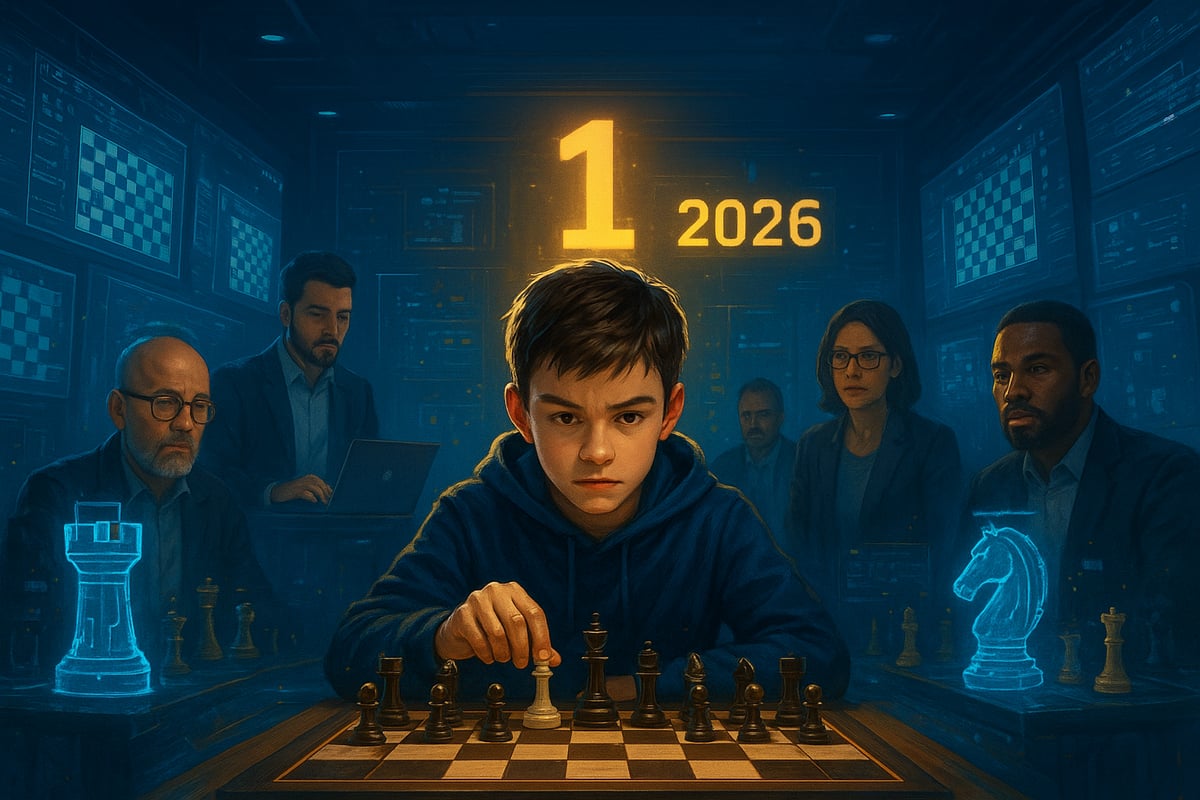
If you want to be no 1 in chess, you need to master your openings. The opening sets the tone for the whole game, and in 2026, it's not enough to just memorise a few lines. Top players are using AI tools like Stockfish 16 and Leela Chess Zero to uncover new ideas and sidestep traps that catch everyone else off guard.
Take Nepomniachtchi in the Candidates 2024. He found success with rare lines, catching his opponents in unfamiliar territory. The secret? Deep research, flexibility, and being ready to pivot when your prep runs into something unexpected.
To build your own opening system:
A common mistake is over-relying on rote memory. If you forget a line, you can be lost early. Instead, focus on understanding why moves work. For a detailed guide on sharpening this skill, check out Chess Game Opening Tips.
Remember, no 1 in chess players stay ahead by keeping their openings fresh and unpredictable.
The best players know that games are often decided in the endgame. If you dream of being no 1 in chess, you can't neglect this phase. Endgame mastery is what separates champions from the rest.
Look at Carlsen's endgame wins in the 2023 World Championship. He squeezed wins from seemingly equal positions, using deep knowledge and precise technique. According to ChessBase’s 2025 analysis, over 60% of elite games are decided in the endgame. That's a stat you can't ignore.
Key endgame patterns to master:
Practical drills:
Don't just grind tactics. If you want to be no 1 in chess, spend focused time on endgame puzzles, too. You'll spot winning chances others miss and save tough positions when it matters most.
Here's a secret: calculation and visualisation are the superpowers of every no 1 in chess contender. Grandmasters see moves ahead, not because they're psychic, but because they've trained their minds to imagine the board clearly.
Want to get there? Try these exercises:
Alireza Firouzja is a great example. His deep tactical vision lets him spot brilliancies that others miss. The difference between club players and the elite often comes down to who sees further and more accurately.
Beware of calculation fatigue, especially in long tournaments. Take regular breaks, and mix intensive calculation with easier review sessions.
If the no 1 in chess spot is your goal, make calculation training part of your daily routine. It’s like lifting weights for your chess brain.
Chess is tough on the mind. The journey to no 1 in chess is filled with setbacks, blunders, and tough losses. What sets the best apart is their mindset.
Top players like Hikaru Nakamura bounce back stronger after defeats. They treat every loss as a lesson, not a disaster. In fact, a 2025 survey found that 70% of the top 20 players practice psychological training regularly.
How can you build this resilience?
Mindfulness techniques help with focus during long rounds. Simple breathing exercises between games can clear your mind and reset your nerves.
Remember, no 1 in chess is as much about mental strength as it is about moves on the board. Embrace the grind, and you'll bounce back from setbacks faster.
If you're not using tech, you're playing catch-up. No 1 in chess players use engines, databases, and analytics to squeeze every drop of insight from their games.
Gukesh D, for example, integrates data analytics into his training. He reviews his games, tracks patterns, and refines his repertoire using tools like ChessBase 17 and the Lichess Opening Explorer.
Here are the essentials:
But don’t become over-reliant. Tech is a tool, not a crutch. Sometimes, intuition and experience trump raw engine lines.
Staying ahead of the tech curve is vital if you want to be no 1 in chess. The landscape changes fast, so keep learning and experimenting with the latest tools.
Nobody becomes no 1 in chess alone. Behind every champion is a team: seconds, coaches, trainers, and more.
Look at Ding Liren’s 2023 World Championship run. His team included opening specialists, fitness trainers, and even a nutritionist. In fact, a 2024 FIDE survey found that 85% of the top 10 players have multidisciplinary teams.
Why does this matter?
When building your team, match your support to your career stage. Juniors might need tactical trainers, while elite players benefit from opening analysts and fitness experts.
If you're serious about being no 1 in chess, start building your dream team. Even one trusted coach can make all the difference.
Finally, it's not just what you know, but how you use it. Tournament strategy is a make-or-break factor for no 1 in chess hopefuls.
Praggnanandhaa’s 2025 Grand Prix run is a masterclass in this. He adapted his game plan for different formats and managed his energy through grueling schedules.
Tournament tips:
Scheduling is crucial. Avoid burnout by spacing out events and factoring in travel. Analysing your opponents' latest games can give you that vital edge.
No 1 in chess isn't just about individual brilliance. It's about navigating the marathon of a tournament, staying sharp, and seizing your opportunities.
Looking to reach the top and claim the no 1 in chess spot? You’ll need the right tools and training methods to get there. The chess world in 2026 is packed with fresh resources, platforms, and communities that can help elevate your skills, no matter your starting point.
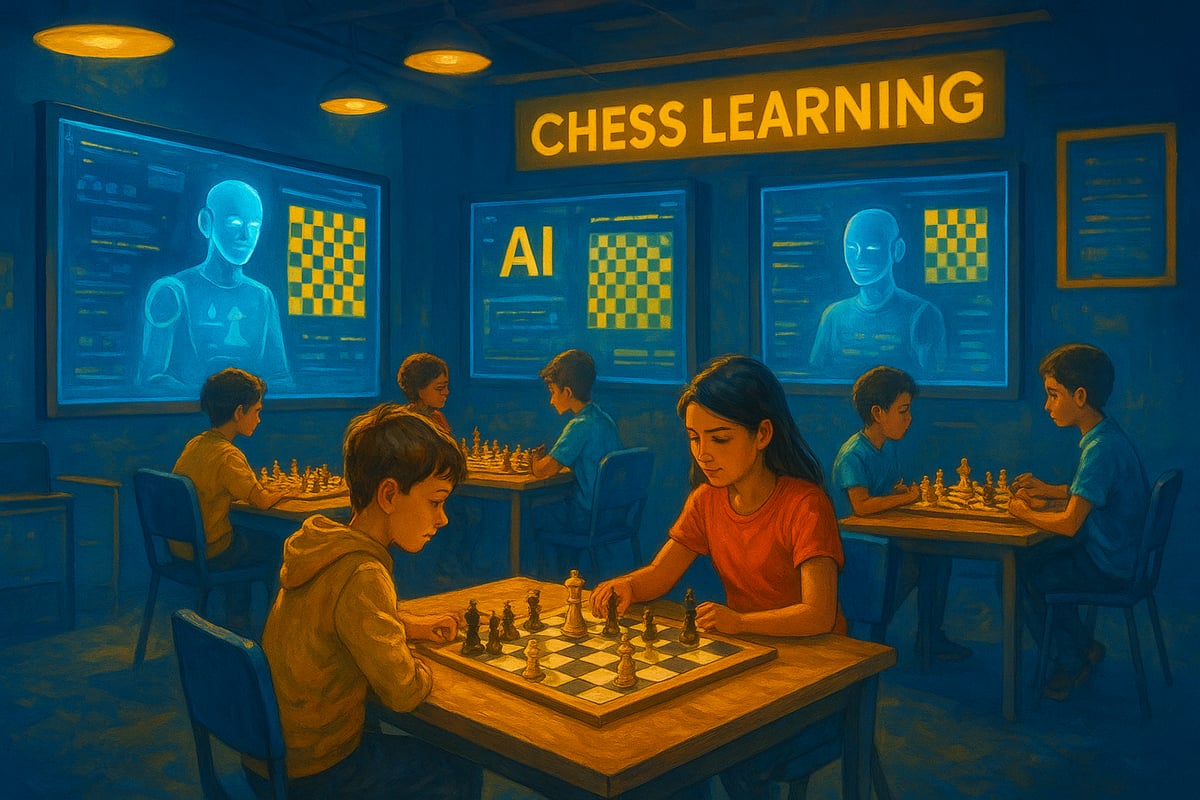
If you want to be no 1 in chess, mastering the latest online platforms is a must. Sites like Chess.com, Lichess, and Chessable have changed the way players train. You’ll find features like Puzzle Rush for quick tactics, Opening Explorer to study lines, and interactive video lessons.
Here’s a quick comparison:
| Platform | Unique Feature | Best For |
|---|---|---|
| Chess.com | Puzzle Rush | Fast tactical drills |
| Lichess | Free Opening Explorer | Deep opening study |
| Chessable | Spaced repetition | Memorising patterns |
Want to see how top plays look in action? Check out Best Plays in Chess for inspiration and practical examples. Using these resources regularly makes a real difference on your quest for no 1 in chess.
AI has made personalised training accessible to anyone aiming for no 1 in chess. Platforms now analyse your games, spot weaknesses, and give you custom study plans. Chessable’s adaptive learning, for example, adjusts exercises based on what you miss most.
Imagine having a virtual coach that never sleeps and always knows your blind spots. From tailored endgame drills to pinpointing calculation errors, AI is your secret weapon. The best part? You can track your progress over time and see exactly where you’re improving.
Embracing AI-driven training isn’t just a trend, it’s a necessity for anyone serious about becoming no 1 in chess.
Even with all the tech, becoming no 1 in chess is still a team effort. Discord chess communities, online study groups, and local clubs are booming in 2026. Players swap ideas, analyse games together, and even spar in friendly matches.
Why does this matter? Collaborative learning exposes you to different styles and helps you break out of your comfort zone. You’ll pick up new strategies, spot common mistakes, and stay motivated with peer support.
If you’re chasing that no 1 in chess dream, don’t go it alone. Community feedback and friendly rivalry keep your training fresh and fun.
While digital tools are amazing, top players still turn to classic resources to chase the no 1 in chess title. There’s something special about studying a printed book or solving a puzzle with a real board. Titles like “Game Changer” have shaped how we approach AI-driven chess, and new releases keep popping up to match the times.
For a solid foundation, dive into Classical Chess Strategies, which covers time-tested techniques that never go out of style. Pair these with modern training to round out your game.
Mixing old-school study habits with new tech is the secret sauce for anyone aiming to be no 1 in chess.
Reaching no 1 in chess is about more than just learning the right moves. It's also about dodging the classic mistakes that even ambitious players can make on their way to the top. Let's break down the five biggest pitfalls that can stall your progress, and how to avoid them so your journey to no 1 in chess stays on track.

1. Overtraining and Burnout
It's tempting to think that practising non-stop will make you no 1 in chess, but that's a fast track to burnout. Many young prodigies have faced exhaustion from relentless training schedules. Watch for signs like mental fog, irritability, or dreading chess sessions. Balance is key. Take regular breaks, mix up your training, and remember that rest helps your brain absorb new strategies. If you're feeling stuck or tired, it's a sign to slow down, not push harder.
2. Neglecting Physical Health
Chess might not seem physical, but your body and mind are deeply connected. Ignoring your fitness or nutrition can quietly sabotage your quest to become no 1 in chess. A 2025 study found that physically active players scored 12 percent higher on average in tournaments. Simple habits like staying hydrated, eating healthy snacks, and stretching between rounds keep your mind sharp and focused. Remember, a healthy body supports a winning mindset.
3. Stagnation and Resistance to Change
Relying on the same old openings or strategies is a common trap. The chess world evolves fast, and to become no 1 in chess, you have to keep learning and adapting. If you look at the FIDE Rankings December 2025, you'll see how quickly new names rise as fresh styles emerge. Don’t be afraid to experiment with new lines, review your games, and stay curious. Sticking to what you know might feel safe, but it limits your growth.
4. Underestimating Opponent Preparation
Your games are out there, and top opponents will study them to find weaknesses. If you want to be no 1 in chess, you need to anticipate this. Mix up your openings and strategies so you’re not predictable. Analyse your own games from your opponents’ perspective, and be ready to throw in a surprise or two. A bit of unpredictability can keep rivals on their toes and give you the edge when it matters most.
5. Ignoring the Psychological Aspect
Many players focus only on tactics and neglect their mental game. Stress, anxiety, or lack of confidence can crush your chances of reaching no 1 in chess. Some players have lost their rankings simply because they couldn't handle the pressure. Invest in building resilience—try mindfulness, meditation, or talking with a coach about nerves. A strong mind is just as important as a sharp opening.
Steering clear of these common mistakes puts you in the best position to climb the ranks. Remember, it's not just what you learn, but also what you avoid that makes the difference on your path to no 1 in chess.
Leave a comment