

Call Us:
(03) 7037 0931
M-F 9am to 5pm

Chess has captured imaginations for centuries, bringing together players of all ages and backgrounds from around the world. The game keeps evolving, with new strategies and ideas popping up every year.
One thing never changes though: understanding the valuable chess pieces is crucial if you want to get better. Knowing the strengths and roles of each piece isn’t just for grandmasters, it’s for anyone who wants to make smarter moves and win more games.
In this article, we’ll dive into the top 7 valuable chess pieces, explore what makes each one unique, and share practical tips you can use in your next match.
Chess has always been more than just moving pieces around a board. The value system behind each piece adds a layer of strategy that makes the game endlessly fascinating. If you've ever wondered why some pieces are more important than others, or why sacrificing one piece for another can win or lose a game, understanding the value system is your secret weapon.
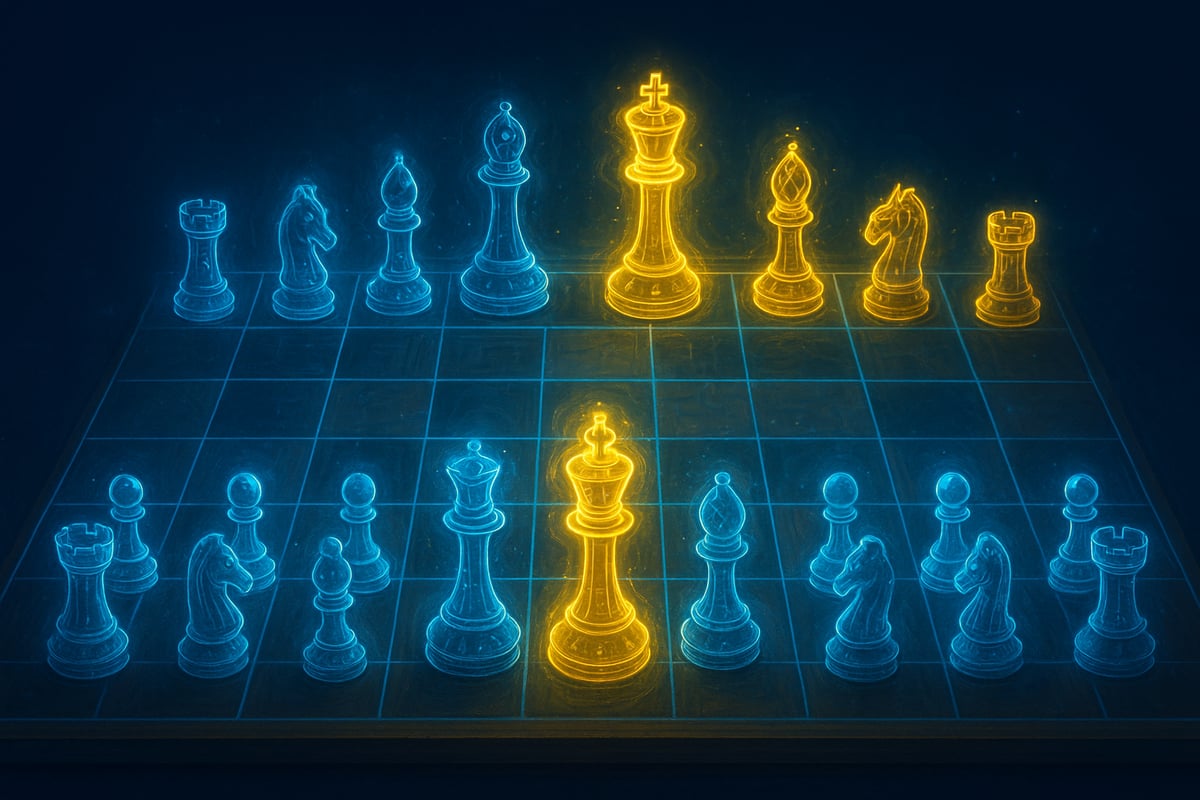
Chess has roots stretching back over a thousand years, but the way we view valuable chess pieces has changed a lot over time. In the early days, different cultures assigned different strengths to the pieces, and even their movements varied. As chess spread globally, the need for a standard way to compare pieces became clear.
That's where the familiar point system came in. It looks like this:
| Piece | Value |
|---|---|
| Pawn | 1 |
| Knight | 3 |
| Bishop | 3 |
| Rook | 5 |
| Queen | 9 |
| King | Priceless |
This system is a great starting point for understanding valuable chess pieces, but it's not set in stone. The king, for example, is technically invaluable—if you lose your king, the game's over, so you can't even assign it a number.
As computers and AI entered the scene, especially with chess engines like Stockfish, our understanding of valuable chess pieces became more nuanced. These programs analyse millions of positions, revealing that factors like piece activity or coordination can make a piece more or less valuable than its traditional score.
Beginners often stick closely to the point system, but as you get more advanced, you'll notice that context matters. A bishop might be worth more than a knight in one position, but less in another. If you're keen to dig deeper into the numbers behind valuable chess pieces, check out this Chess piece relative value guide for a detailed breakdown.
Fast forward to 2026, and the landscape for valuable chess pieces is even more dynamic. Today, it's not just about the number attached to a piece—it's about how active, mobile, and coordinated your pieces are. A knight tucked away in the corner isn't nearly as useful as one right in the centre, controlling key squares.
Piece synergy is another big deal. Pieces that work together—like a rook and queen doubling up on an open file—become more valuable than the sum of their parts. This is especially true in the middlegame, where coordination can lead to powerful attacks or solid defences.
Game phases also play a role. In the opening, getting your valuable chess pieces out quickly matters most. In the middlegame, it's all about activity and threats. And in the endgame, the value of each piece can swing wildly—sometimes a pawn becomes the hero, racing down the board to promote.
Pawn structure is like the skeleton of your position. Weak pawns or broken pawn chains can lower the value of your other pieces, making it harder to coordinate attacks or defences. Advanced tactics, like sacrifices or exchanges, often hinge on a deep understanding of which valuable chess pieces matter most in a given situation.
Recent data shows that in high-level games, piece exchanges and pawn promotions happen more often than ever. Players are constantly recalculating the true worth of their pieces, adapting to the ever-evolving strategies shaped by AI and human creativity.
Chess is a game where every piece has its own personality, strengths, and quirks. Understanding which ones matter most can make all the difference between winning and losing. Let’s break down the top 7 valuable chess pieces you’ll want to master in 2026, with practical tips and fresh insights for each.
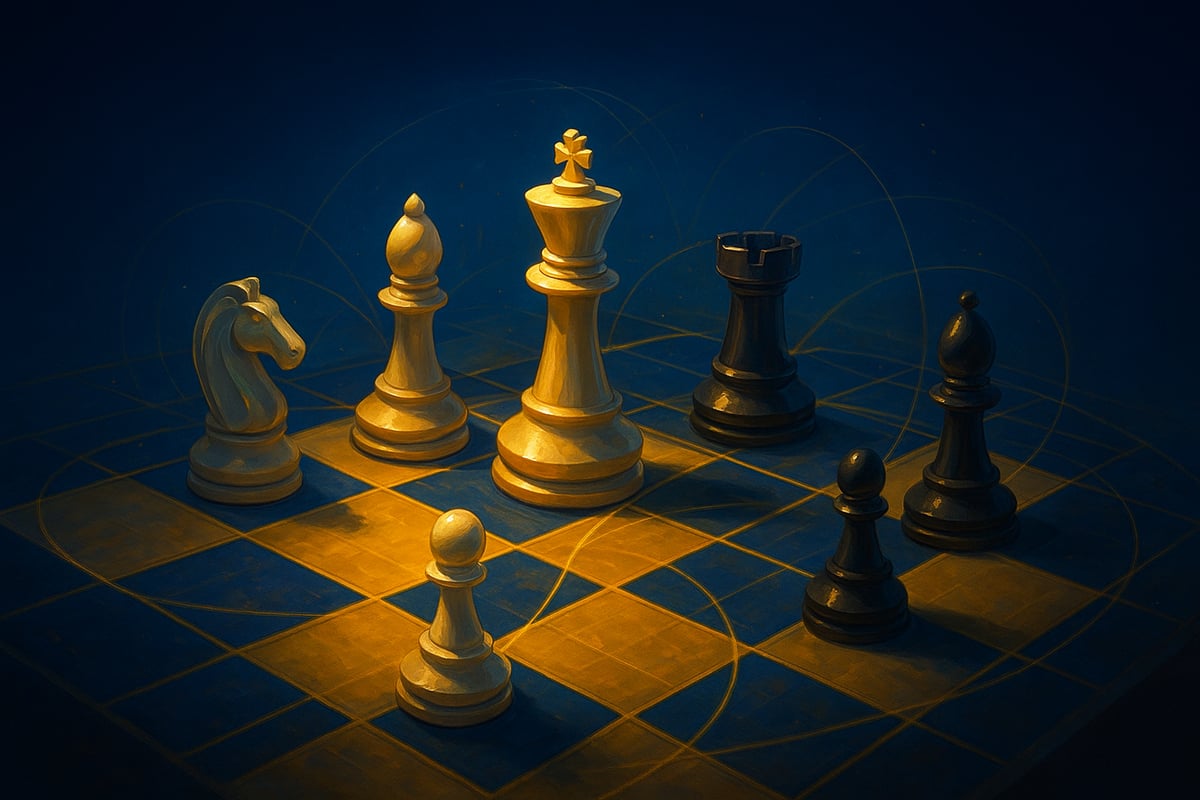
The king is the heart of chess. Lose the king, and the game’s over, no matter how many other valuable chess pieces you’ve got left. Its unique status makes it truly priceless.
In the opening and middlegame, the king is often a target. You’ll want to keep it tucked away behind your pawns, usually by castling. This move not only gets your king safe but also connects your rooks, prepping them for action.
But don’t think the king is just a fragile piece to hide. In the endgame, it transforms into a powerful weapon. Modern players, especially with help from chess engines, have learned that centralising the king after queens come off the board can decide close games. It’s not rare to see the king leading the charge in pawn races or stepping up for opposition battles.
Let’s not forget classic defensive tactics like opposition and zugzwang. Knowing when to bring your king out, and when to keep it safe, is crucial. One careless move can spell disaster, and even top players sometimes forget just how central king safety is.
If you’re looking to boost your understanding of all the valuable chess pieces, remember: the king is the reason every other piece exists.
If the king is the heart, the queen is the muscle. She combines the movement of a rook and a bishop, making her the most versatile and, in pure points, the most valuable of the valuable chess pieces (worth 9 points). She can sweep the board, control huge swathes of territory, and launch devastating attacks.
But with great power comes great responsibility. It’s tempting to get your queen out early, but that can backfire fast. Opponents will chase her around, making you lose time. The real magic happens when you coordinate your queen with other pieces, especially in the middlegame’s tactical fireworks.
Some of the most memorable moments in chess history involve queen sacrifices. Giving her up for a checkmate or a massive material gain is always dramatic. On the flip side, trading queens can totally change the feel of the game, often leading to tense endgames where the king’s activity takes over.
Queen promotions aren’t rare at higher levels, especially in pawn races. In 2026, with deeper computer analysis, players are finding even more creative ways to use their queens, both as attackers and defenders.
Rooks are like the heavy artillery of chess. Each rook is worth 5 points, and while they might not always shine early on, they become absolute stars in the endgame. Open files and ranks are their playground, letting them zoom across the board and dominate key lines.
Castling is a big deal for rooks. It not only gets your king safe but also puts a rook right in the centre, ready to join the fight. The real fun starts when you double up your rooks or get one onto the seventh rank, where they can wreak havoc on your opponent’s pawns.
Ever heard of Lucena and Philidor positions? These classic rook endgame setups are must-knows for anyone wanting to win more games. Data from recent tournaments shows that rooks are involved in a huge percentage of decisive endgames, either supporting pawn promotions or cutting off enemy kings.
It’s also worth noting the classic debate: two rooks versus a queen. While the queen is powerful, two coordinated rooks can often outplay her if used right.
Bishops are the snipers of the chessboard, slicing through diagonals and controlling both flanks with long-range power. Each bishop is worth 3 points, but their real value shines in open positions where their lines aren’t blocked by pawns.
The bishop pair is a special weapon we’ll talk about later, but even a single bishop can be a game-changer. Bishops can create mating nets, support pawn breakthroughs, and control entire colour complexes, making life tough for enemy knights and rooks.
Of course, bishops do have their downsides. They’re stuck on their starting colour and can be blocked by your own pawns if you’re not careful. But modern AI analysis has shown that bishops are often undervalued, especially when they’re free to roam.
When you’re choosing between trading a bishop or a knight, always consider the pawn structure and the phase of the game. In open games, bishops usually come out ahead, while in closed positions, knights might get the edge.
Knights are the tricksters of the valuable chess pieces. Their L-shaped move lets them hop over other pieces, making them perfect for sneak attacks and forks. Each knight is also worth 3 points, but their value can skyrocket in cramped, closed positions where bishops are stuck.
Knights excel at tactics. Forks, smothered mates, and outpost domination are just a few of their signature moves. Plant a knight deep in enemy territory, and it can tie up your opponent’s pieces for ages.
There’s always a lively debate about bishops versus knights. In slow, blocked positions, knights often have the upper hand. But they can be slow to switch sides of the board, so you need to plan ahead.
Modern grandmaster games are filled with creative knight sacrifices, especially as engines reveal new tactical resources. Don’t underestimate the knight’s power—sometimes, one clever jump can turn the whole game around.
Pawns might look small and humble, but they’re the backbone of every chess strategy. Each pawn is only worth 1 point, but their real value lies in their potential. Every other piece relies on pawns for protection, structure, and space.
The magic of pawns is their ability to promote. Get a pawn to the eighth rank, and you can swap it for a queen or any other piece. Passed pawns—those with no enemy pawns in front—can be game-winners in the endgame.
Pawn chains, weaknesses, and breaks are all crucial ideas. The structure you create with your pawns often decides how your valuable chess pieces can move. In 2026, advanced stats show that pawn promotions decide a huge number of high-level games.
Some of the most famous victories in chess history came from clever pawn play. Don’t ignore your little foot soldiers—they might just win you the game.
While a single bishop is powerful, owning both bishops—the bishop pair—gives you a unique advantage. They can control both colour complexes, sweeping the board together and making it tough for your opponent to find safe squares.
The bishop pair is especially valuable in open positions and endgames, where their long-range power is unmatched. Many top players will go out of their way to keep both bishops, even giving up a pawn to do so.
In theoretical endgames, the bishop pair can often outplay a rook or knight, especially with pawns on both sides. Modern chess engines have confirmed that the bishop pair is often worth a little more than just two individual bishops.
If you want to dive deeper into the characteristics of each piece and why they’re so valuable, check out this Pieces on a chess board guide for a handy overview.
Next time you play, think about how you can keep your bishop pair and use their synergy to dominate.
Ever wonder why some players seem to get more out of their valuable chess pieces than others? It's not just about what you have, but how you use them. Maximising the impact of your valuable chess pieces involves smart decisions at every stage of the game. Let's break down the key strategies that separate casual play from masterful chess.
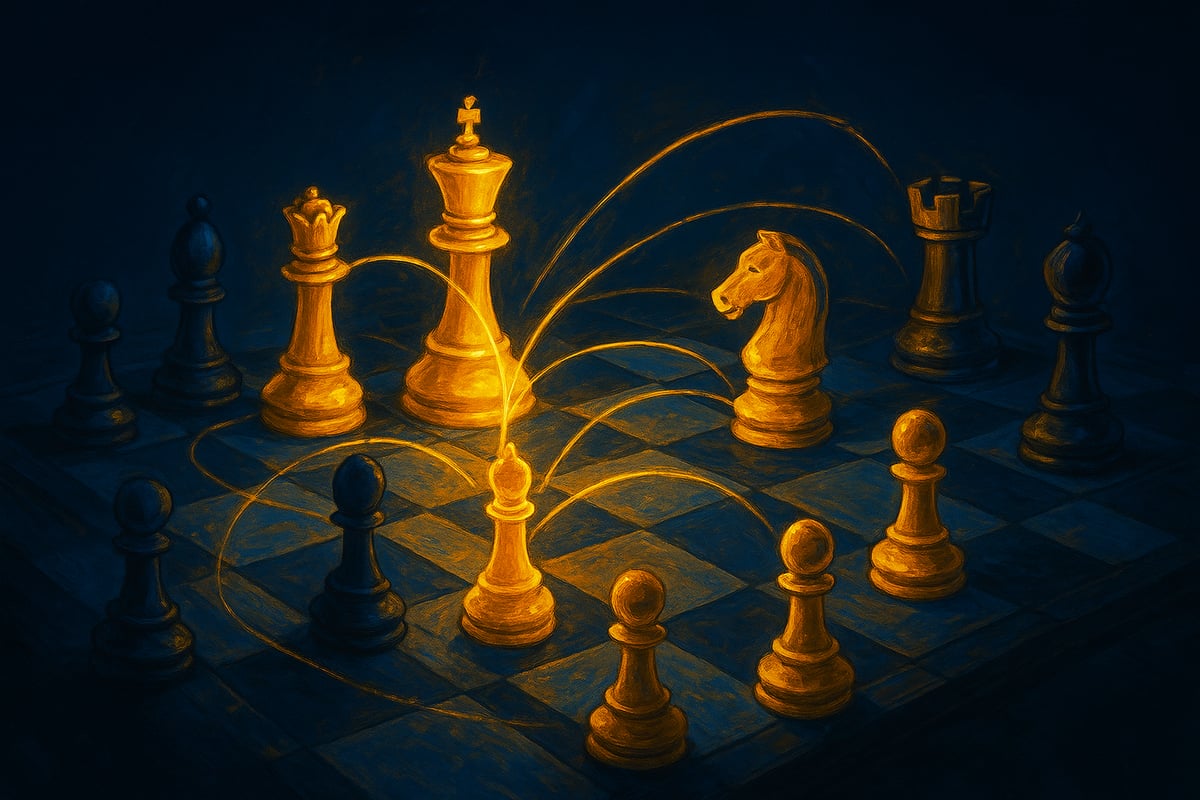
One of the biggest lessons in chess is learning that having more valuable chess pieces doesn't always guarantee a win. Sometimes, a well-placed piece can outshine a bigger army stuck on the back rank. The real magic comes when your valuable chess pieces are active, coordinated, and ready to strike.
Think about it: would you rather have a trapped rook or an active bishop slicing through the centre? That's why advanced players often value piece activity over raw material. Sacrifices are a classic example—sometimes giving up one of your valuable chess pieces can open up devastating attacks or secure a winning position.
Here's a quick comparison:
| Scenario | Material Advantage | Piece Activity | Likely Outcome |
|---|---|---|---|
| Extra rook, blocked pieces | Yes | No | Hard to convert |
| Equal material, active pieces | No | Yes | More winning chances |
If you want to see how grandmasters turn activity into victory, check out this analysis of good chess plays explained. It dives into real games where activity trumps pure value.
When your valuable chess pieces work together, they can create threats, defend weaknesses, and support plans. Always look for ways to bring your pieces to life—don't let them gather dust.
The value of your valuable chess pieces isn't set in stone. It shifts as the game moves from the opening to the endgame, and changes depending on who you're up against.
In the opening, rapid development and king safety matter most. Valuable chess pieces like knights and bishops should leap into action, not hide behind pawns. During the middlegame, coordination becomes key. Look for chances to trade off less active pieces and keep your most valuable chess pieces ready for tactics.
As you head into the endgame, priorities flip. Suddenly, kings become fighting pieces, and pawns can transform into powerful queens. Recognising these shifts helps you get the most out of every piece.
Facing a defensive opponent? Avoid unnecessary trades and keep tension with your valuable chess pieces. Against an aggressive player, solidify your defences and only exchange when it favours your plans.
Common mistakes include overvaluing material, missing dynamic chances, or trading active pieces for passive ones. Stay alert, adapt, and always keep the bigger picture in mind.
Technology has totally changed the way we look at valuable chess pieces. Gone are the days when we just memorised a few numbers from a book. Now, with powerful chess engines and heaps of online data, the way we judge each piece is getting a modern makeover.
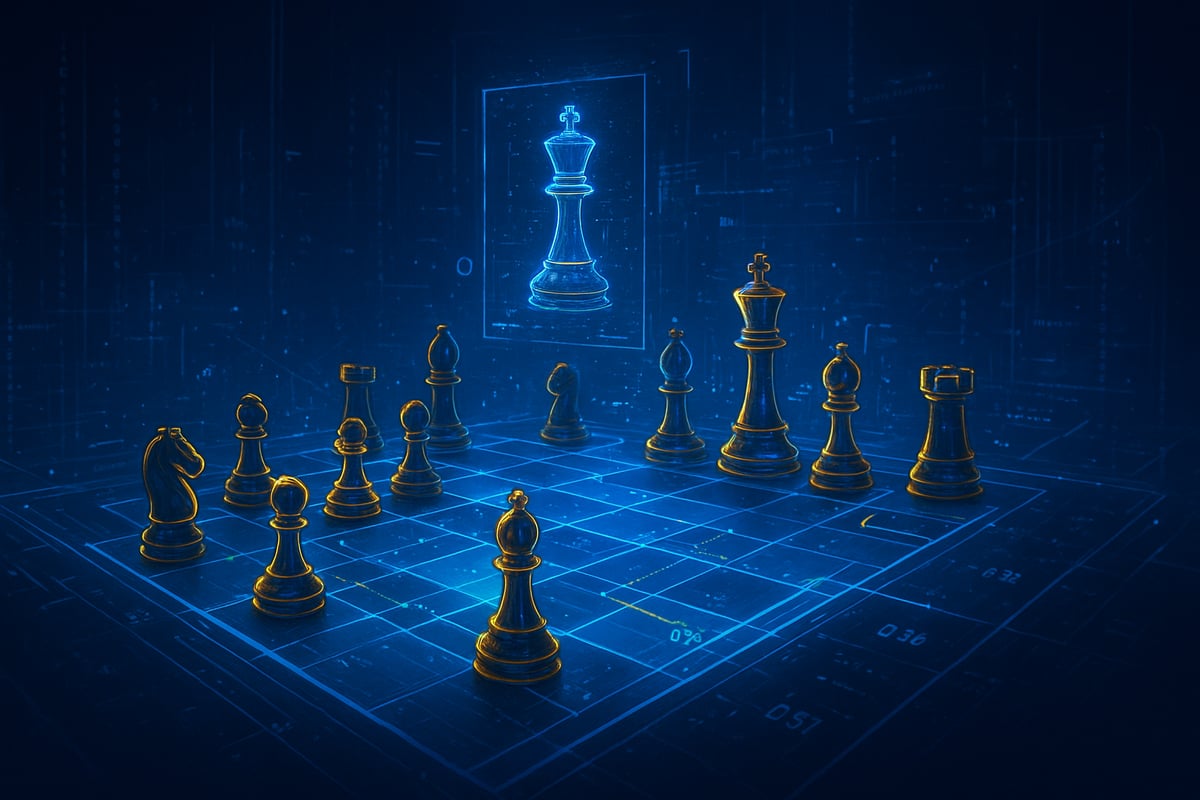
Let’s start with chess engines. Tools like Stockfish have completely changed how we evaluate valuable chess pieces. These engines use neural networks and deep analysis to spot strengths and weaknesses we’d never notice on our own. For example, they’ve shown that sometimes a bishop pair or a super-active rook is worth way more than the old textbook values suggested.
It’s not just about engines, though. Online databases hold millions of games from amateurs and grandmasters alike. This huge pool of information helps players see which valuable chess pieces are actually making a difference in real matches. It’s easier than ever to spot trends, like how quickly queens get traded or how often pawns promote in modern openings.
Training tools are also a big deal. Apps and websites now use AI to give instant feedback on your games, showing you if you’re using your valuable chess pieces to their full potential. If you want to dive deeper, check out the chess engines and the evolution of AI systems article. It covers how these advances are shaping the strategies we see at every level.
Let’s not forget about chess variants like Chess960. Here, the role of each piece can change dramatically, and AI is helping us understand what’s strong or weak in these wild setups. Data-driven analysis is revealing new ways to use valuable chess pieces, even in positions we’ve never seen before.
Here’s a quick look at how traditional and AI-influenced values compare:
| Piece | Traditional Value | AI-Influenced Insights |
|---|---|---|
| Pawn | 1 | More valuable if passed/advanced |
| Knight | 3 | Stronger in closed positions |
| Bishop | 3 | Bishop pair often worth 3.5+ |
| Rook | 5 | Open files and 7th rank boost |
| Queen | 9 | Sometimes best traded early |
In short, technology is making chess richer and more exciting. As AI gets smarter, our understanding of valuable chess pieces will only keep growing, helping every player—from beginners to grandmasters—make sharper moves than ever.
Leave a comment