

Call Us:
(03) 7037 0931
M-F 9am to 5pm

What makes the greatest chess game ever? It's a question that sparks endless debate and curiosity among chess fans everywhere.
There's a certain magic in seeing legendary players like Fischer and Spassky battle it out, each move layered with strategy, psychology, and history. In this guide, we’ll dive into what sets these iconic games apart, focusing on the stories, tactics, and lessons hidden within.
You'll uncover the intense rivalries, brilliant strategies, and unforgettable moments that define the greatest chess game ever. Ready to discover what the masters can teach us? Let’s get started.
What exactly makes a chess match stand out as the greatest chess game ever? It’s a question hotly debated by fans and experts alike. Some games are etched in history for their drama, others for their flawless strategy, and a few for the sheer beauty of the moves played. Let’s break down what sets these masterpieces apart and explore why certain encounters are forever remembered.
When people talk about the greatest chess game ever, they’re usually weighing a few key things. First, there’s historical significance. Did the game change chess history or inspire a new generation? Next comes technical brilliance, with jaw-dropping calculations, sharp tactics, or creative innovations that left everyone gobsmacked.
Psychological drama also plays a huge part. The tension between players, the mental battles, and the pressure of the moment can elevate a game’s status. Then there’s aesthetic beauty. Sometimes, a game just looks elegant—each move fitting perfectly, like pieces in a puzzle. Finally, we look at the game’s influence. Did it shape how chess is played or taught today?
Here’s a quick summary:
| Criteria | What It Means |
|---|---|
| Historical Significance | Changed chess history or culture |
| Technical Brilliance | Deep calculation, accuracy, innovation |
| Psychological Drama | Intense pressure and resilience |
| Aesthetic Beauty | Harmony, creativity, and elegance |
| Influence | Shaped future theory and teaching |
All these factors combine to help us decide if a game deserves the title of greatest chess game ever.
It’s tricky to crown just one game as the greatest chess game ever, since everyone has their favourites. Still, a few legendary battles are always in the conversation. Fischer vs Spassky, 1972 Game 6, is a common pick, celebrated for its artistry and the Cold War backdrop.
Morphy’s Opera Game is another classic, showing off dazzling attacks and crystal-clear ideas. Kasparov vs Topalov, 1999, is loved for its wild tactics and mind-bending complexity. Capablanca vs Marshall, 1918, stands out for incredible defensive skill.
Of course, what you consider the greatest chess game ever might depend on what you value—attacking fireworks, deep strategy, or a great story. For a broader discussion of these legendary encounters, check out the Best Ever Chess Game Analysis.
Chess masters and historians each have their own take on what makes the greatest chess game ever. Grandmasters often focus on the technical depth, pointing out subtle ideas and hidden resources that casual viewers might miss. Annotated games from legends like Garry Kasparov or Magnus Carlsen often highlight the importance of planning, creativity, and nerves of steel.
Historians, meanwhile, look at the bigger picture. They’ll talk about how Fischer’s win in 1972 inspired a chess boom, or how Morphy’s games still teach us the basics of attack. As one famous historian put it, “A truly great game is one you can learn from, no matter your level.”
In the end, the greatest chess game ever is a blend of all these things—technical magic, historical weight, drama, and lasting inspiration.
The 1972 World Chess Championship between Bobby Fischer and Boris Spassky wasn't just another title match. It was a showdown that put the greatest chess game ever into the middle of a global spotlight. This section dives into the drama, the players, and why Game 6 has become legendary.
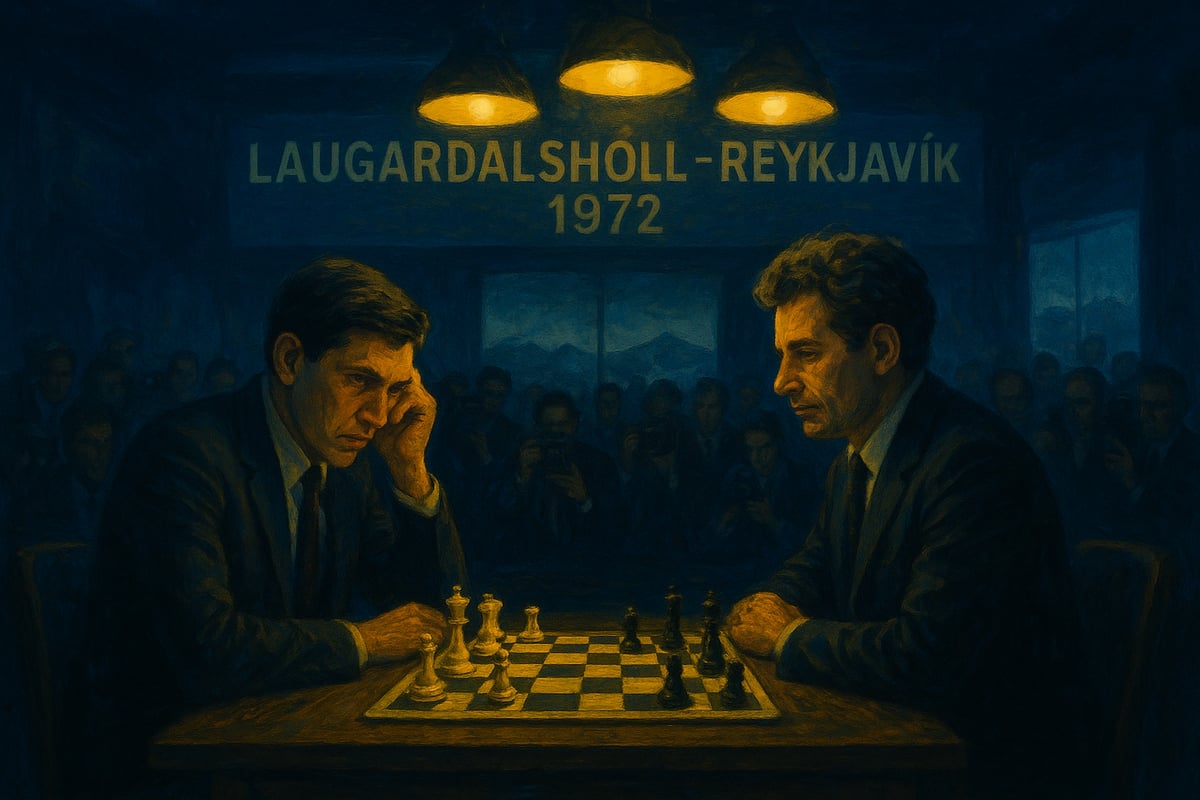
Back in 1972, the world was split between East and West, and even chess felt the pressure. The United States and the Soviet Union were locked in a Cold War, and every arena, including chess, became a battleground for pride and ideology.
Fischer, the American challenger, was up against Spassky, the reigning Soviet champion. People everywhere watched, wondering if the greatest chess game ever would unfold in this tense setting. The stakes felt bigger than just a board and pieces. It was about which system could produce the strongest mind.
The match became a symbol of the era, with politicians, journalists, and even casual fans tuning in. Chess had never seemed so important, or so dramatic, before.
Heading into Game 6, the tension between the players was sky-high. Fischer had already shocked everyone by forfeiting Game 2, which rattled Spassky and shifted the psychological momentum. Each move in the match was about more than just strategy, with both men trying to outwit and outlast the other.
Spassky had a reputation for resilience, while Fischer was famous for his relentless focus. The greatest chess game ever needed more than technical skill, it demanded nerves of steel. With each game, the pressure mounted, and both players felt the weight of their countries and expectations.
By Game 6, the atmosphere was electric. The chess world waited to see who would crack first, or who would rise to the occasion.
Imagine the scene: Reykjavik, Iceland, a cool and quiet city suddenly buzzing with global attention. The playing hall was filled with tension, every cough or camera click echoing through the silence. The unique setting only added to the mystique of what many consider the greatest chess game ever.
Anecdotes from the event paint a vivid picture. The audience was a mix of chess fans, journalists, and curious locals. The press room was abuzz with speculation, and even the players felt the chill of the Icelandic summer.
The environment played its own part in the drama. Both Fischer and Spassky had to adjust to the unfamiliar surroundings, making every decision at the board just a bit more challenging.
To understand why Game 6 stands out as the greatest chess game ever, you have to look at what was at risk for both players. Let’s break it down:
| Player | What Was at Stake |
|---|---|
| Fischer | First American world champion, personal vindication, breaking Soviet dominance |
| Spassky | Defending Soviet chess supremacy, national pride, maintaining his legacy |
Fischer craved the title, but also vindication after years of controversy and battles with chess authorities. For Spassky, it was about defending his country's reputation and his own status as a legend. The pressure was immense, and every move in Game 6 was loaded with meaning.
When Game 6 ended, the response was immediate and electric. Even Spassky, usually stoic, joined the applause for Fischer’s brilliance—a rare gesture in world chess. The beauty and technical mastery of the game led many to call it the greatest chess game ever right on the spot.
Experts and fans alike marvelled at the artistry, while the media buzzed with excitement. In the years since, analysts have poured over every move, uncovering new layers of strategy. If you want a deep dive, this Fischer vs. Spassky Game 6 analysis offers a fascinating breakdown of what made this game so special.
Even today, the legacy of Game 6 continues to inspire, reminding us that chess can be as thrilling and unpredictable as any sporting event.
Chess fans often call Fischer vs Spassky, 1972 Game 6 the greatest chess game ever. Let's break down what made this masterpiece so unforgettable, move by move, and see what lessons we can all pick up from this classic battle.
Right from the start, Fischer set the tone for the greatest chess game ever by playing 1.e4, a move he'd avoided earlier in the match. This small surprise was a psychological jab, hinting he had something special up his sleeve.
The game quickly shifted into the Queen’s Gambit Declined, a solid, classical opening. But here’s the twist: Fischer, playing White, chose a line not often seen at the world championship level. His early moves, like 4.Bg5 and later 6.e3, avoided sharp theory and kept Spassky guessing. This opening choice was a blend of classical respect and quiet creativity.
By the tenth move, you could feel the tension. Fischer’s pieces flowed naturally, while Spassky’s setup looked just a little cramped. The opening didn’t feature fireworks, but it laid a foundation for the positional masterpiece to come. That’s part of what makes the greatest chess game ever so memorable—unexpected ideas in familiar territory.
As the game entered the middlegame, Fischer’s true intentions became clear. He started pressing on Spassky’s queenside pawns, targeting weaknesses before they even appeared. This is where the greatest chess game ever shines—Fischer’s moves were like a slow squeeze rather than a wild attack.
He launched a minority attack with his pawns, aiming to break apart Black’s queenside. Moves like a4 and b4 weren’t flashy, but they poked holes in Spassky’s defences. Fischer’s knights and rooks danced around the board, eyeing weak spots and controlling key squares.
Spassky tried to counter, but Fischer kept the pressure up. He used quiet moves—like Qb3 and Rfc1—to increase the heat. Watching this middlegame is like seeing a master chef at work, adding spice little by little until the flavours explode. The positional understanding on display is why many call this the greatest chess game ever.
When the dust settled and pieces started coming off, Fischer’s tiny advantages became huge. The endgame in the greatest chess game ever is a clinic in technique. Fischer simplified the position, trading down to a rook and minor piece ending where his pawn structure was just better.
He created a passed pawn and slowly marched it up the board. Every move showed patience and control. Spassky looked for tricks, but Fischer avoided all traps, never letting his grip slip. It’s like watching someone walk a tightrope—one misstep, and the win could vanish. But Fischer never wobbled.
A key endgame moment was when Fischer’s rook and bishop worked together to cut off Spassky’s king, clearing the way for his pawn to promote. The conversion was smooth, confident, and absolutely precise, the kind of finish you see in the greatest chess game ever.
Let’s look at some big moments that defined this battle:
Each of these moves built on the last, turning small edges into real threats. Spassky defended resourcefully, but Fischer’s accuracy kept squeezing out chances. Some experts say this move sequence is why the greatest chess game ever is studied in clubs and books worldwide.
If you want to see how these moments stack up against other classics, check out the Best Plays in Chess History for more legendary games and their signature moves.
So, what can we all learn from the greatest chess game ever? Here are a few takeaways:
This game teaches us that beauty in chess isn’t always about sacrifices or wild attacks. Sometimes, it’s about harmony, patience, and seeing the bigger picture. Whether you’re a beginner or a seasoned player, there’s something for everyone in the greatest chess game ever.
When you think about the greatest chess game ever, it is not just about the moves on the board. The real drama often plays out in the minds of the players. In Reykjavik, 1972, the psychological battle between Fischer and Spassky was just as intense as the moves they made. Let’s dig into how mental strength, nerves, and resilience shaped this legendary encounter.
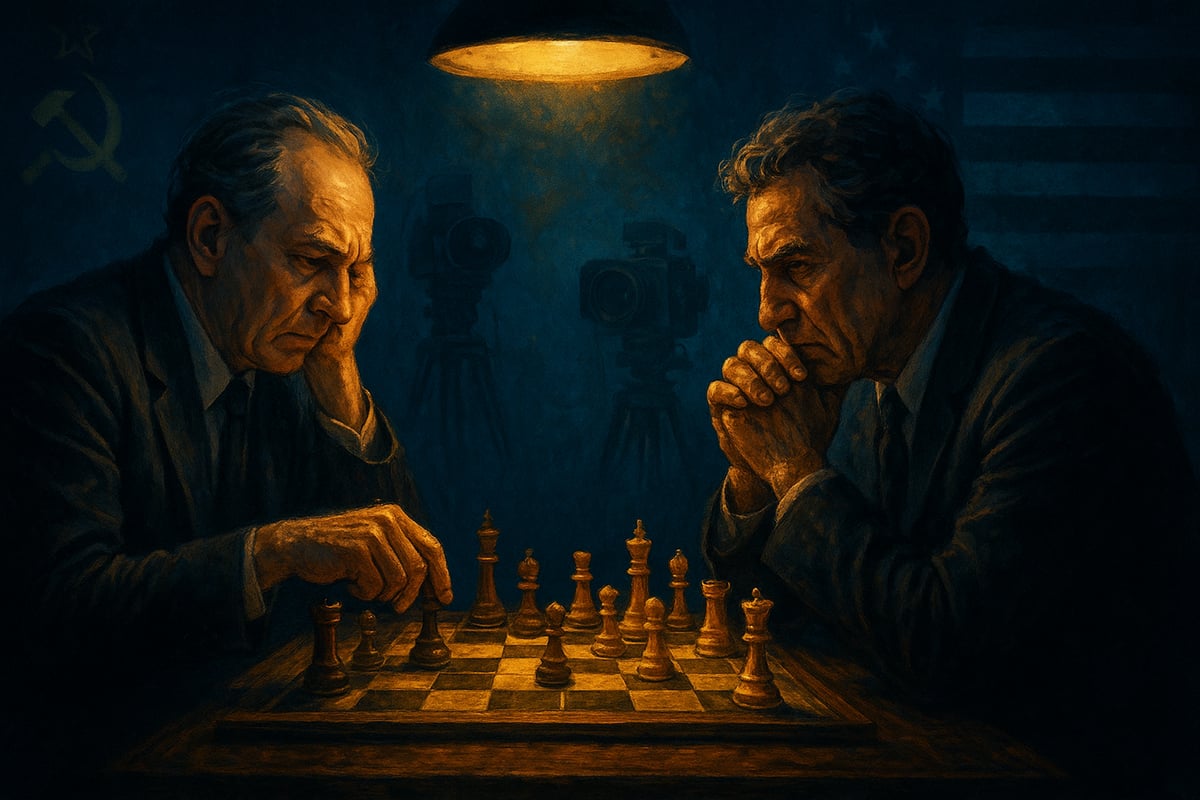
Both Fischer and Spassky stepped into Game 6 of the greatest chess game ever with the weight of the world on their shoulders. The Cold War tension meant every move felt like a national statement. Imagine playing a match where millions are watching, not just as fans, but as invested spectators in a global rivalry.
Pressure can make or break a chess player. Under these conditions, even top grandmasters are prone to second-guessing. The expectation for brilliance pushed both players to dig deep, showing how high-stakes moments can shape the greatest chess game ever.
Fischer had a reputation for psychological warfare, and in this greatest chess game ever, he brought his A-game. He was famous for meticulous preparation, sometimes making unpredictable demands or arriving late, just to keep his opponents guessing.
His focus was legendary. Fischer would tune out the crowd, the cameras, and even the political drama. This mental discipline made him a formidable opponent. It was clear in Game 6 that his psychological approach was a big reason why the greatest chess game ever unfolded the way it did.
Spassky was no stranger to pressure, and in the greatest chess game ever, he showed both frustration and grace. He tried to counter Fischer’s mind games by staying calm and sticking to his own routines. At times, he appeared visibly unsettled, but he also displayed moments of remarkable composure.
Spassky’s adaptability was on full display. He adjusted his strategies, tried to block out distractions, and kept looking for opportunities. Even in the face of Fischer’s psychological tactics, Spassky’s resilience shone through, reminding us why this was truly the greatest chess game ever.
After Game 6, the psychological momentum shifted. Fischer’s win in the greatest chess game ever gave him a huge boost. Spassky, on the other hand, had to deal with the sting of defeat while the world watched.
The Soviet team felt the pressure building, and Spassky’s applause for Fischer was a rare show of sportsmanship. This pivotal moment not only changed the match’s direction, but also highlighted the importance of mindset in the greatest chess game ever.
The lessons from the greatest chess game ever reach far beyond Reykjavik. Mental strength is just as vital as calculation or tactics. If you want to improve, learning how to manage nerves and pressure is key.
Modern players study games like this to understand both the moves and the mind games involved. For more insights on psychological lessons and practical tips, check out Good Chess Plays and Lessons, which breaks down what top encounters can teach us about keeping cool under fire.
Chess history is packed with unforgettable battles, each offering its own secrets and lessons. While Fischer vs Spassky Game 6 often tops lists as the greatest chess game ever, it shares the spotlight with several other iconic encounters. Exploring these games side by side can reveal what truly makes a masterpiece and how you can apply those lessons to your own play.
Let’s take a closer look at how the greatest chess game ever compares to other legendary showdowns:
| Game | Main Highlight | Why It’s Legendary |
|---|---|---|
| Fischer vs Spassky, 1972 Game 6 | Strategic artistry | Symbolic Cold War clash, flawless play |
| Morphy’s Opera Game | Attack clarity | Perfect example of rapid development |
| Kasparov vs Topalov, 1999 | Tactical fireworks | Brilliant calculation, creative sacrifices |
| Capablanca vs Marshall, 1918 | Defensive mastery | Impeccable technique under fire |
Kasparov’s duel with Topalov, often called Kasparov's Immortal game, is a favourite for fans of wild tactics and relentless creativity, which stands in contrast to the steady, strategic squeeze seen in Fischer’s triumph. Each of these games showcases a different path to greatness, reminding us that the greatest chess game ever can take many forms.
Despite their differences, these classics share certain qualities that set them apart. First, there’s a clear sense of purpose—each move contributes to a larger plan. Creativity shines through, whether it’s Morphy’s daring attacks or Capablanca’s calm defence. Flawless execution is a must, as even a small slip could turn the tide.
Another key feature is the psychological battle. Players faced immense pressure, knowing that one misstep could cost them not just the game, but their reputation. The greatest chess game ever is often remembered for how players balanced risk and control, pushing the limits of what’s possible without losing their nerve.
So, how do you bring the magic of these classics into your own games? Start by studying annotated master games—look for the ideas behind each move, not just the tactics. Many of the principles from the greatest chess game ever, like building up small advantages and keeping a cool head under pressure, apply at every level.
If you want a deeper dive into the strategies and context of these masterworks, check out Classical Chess Masterpieces for in-depth analysis and practical tips. By reviewing these timeless battles, you’ll pick up patterns, learn to spot threats earlier, and get inspired to chase your own “greatest chess game ever” moment.
The greatest chess game ever isn’t just a moment in time—it’s a living influence that keeps shaping the way we see, play, and teach chess. Let’s break down why Fischer vs Spassky’s Game 6 stands out, how its impact still ripples through the chess world, and why the hunt for the next masterpiece never ends.
Game 6 didn’t just wow the world, it changed how chess was played and studied. Fischer’s approach to the Queen’s Gambit Declined brought fresh ideas that players quickly adopted. His handling of the middlegame, especially the way he squeezed small advantages, became a textbook lesson in strategic play.
You’ll find this game in countless training books and club lessons. Coaches use it to show how patience and precision can outshine flashy tactics. It’s a prime example of the greatest chess game ever, setting a gold standard for technical mastery and practical decision-making. Even decades later, players at all levels study Fischer’s choices to sharpen their own understanding of chess fundamentals.
The cultural weight of Game 6 can’t be overstated. At the time, the world was glued to the match, not just for the chess but for the Cold War drama. News outlets, magazines, and TV shows covered every move, turning chess into front-page news and making Fischer and Spassky household names.
After Game 6, chess clubs saw a surge in new members, especially in the West. The game inspired documentaries, books, and even scenes in popular films. The greatest chess game ever showed that chess could capture the imagination of millions, bridging gaps between countries and generations. Its legacy is part of why chess remains a global sport today.
What’s fascinating is how the greatest chess game ever keeps sparking debate. With modern computer analysis, experts sometimes find new ideas or missed chances in Game 6, offering fresh perspectives on Fischer’s play. Some argue that other classics, like the Game of the Century overview, deserve similar attention for their creativity or historical impact.
Grandmasters and historians regularly revisit these games, comparing their technical, psychological, and artistic merits. This ongoing conversation keeps chess history vibrant and encourages players to look at old games with new eyes. The debate itself is part of what makes the search for the greatest chess game ever so endlessly interesting.
There’s no doubt that the greatest chess game ever has motivated countless young players. Many grandmasters say they first fell in love with chess after seeing Fischer’s masterpiece or hearing about the drama in Reykjavik. Schools and clubs use Game 6 to show that chess is about more than just moves—it’s about courage, resilience, and creativity.
Stories from the match, like Spassky’s applause for Fischer, teach important lessons about sportsmanship and respect. Future champions continue to draw inspiration from this legendary encounter, keeping its spirit alive every time they sit down at the board.
So, why do we keep searching for the greatest chess game ever? Chess is always evolving, and every generation brings new ideas and heroes. The thrill comes from discovering brilliance in both classic battles and modern masterpieces.
Each player’s journey is unique, and what inspires one might not move another. That’s the beauty of chess history—it’s a treasure trove full of lessons, legends, and surprises. The quest for the greatest chess game ever isn’t just about ranking games, it’s about finding inspiration and striving to create your own masterpiece.
Leave a comment